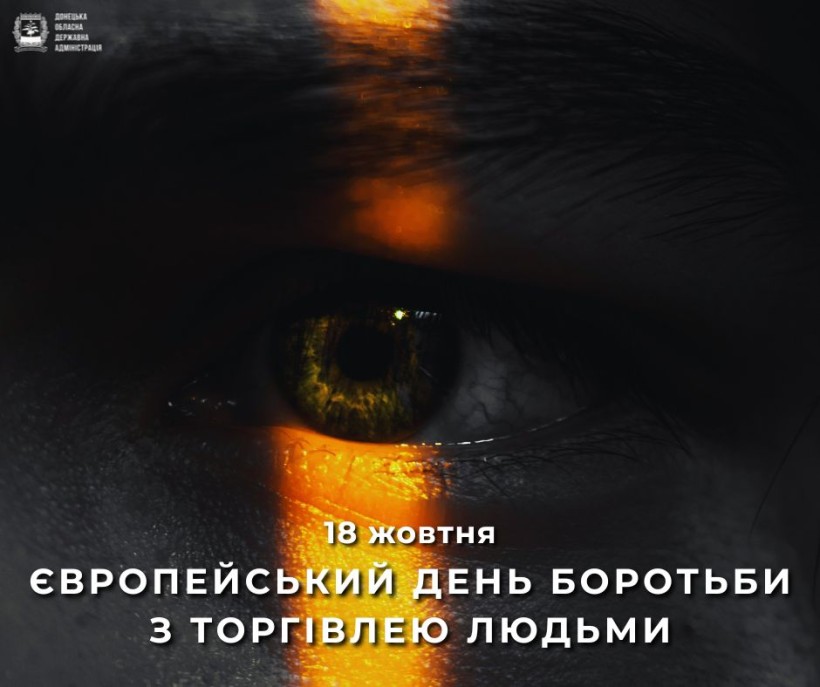
European Anti-Trafficking Day is observed annually on October 18. It was established in 2007 at the initiative of the European Commission to draw public attention to the scale of this crime and the need to protect victims.
Human trafficking is a serious crime and a gross violation of human rights, involving the recruitment, transportation, transfer, harboring, or receipt of a person for the purpose of exploitation. It can take various forms: sexual exploitation, forced labor, forced begging, involvement in criminal activities, use in armed conflicts, and other forms of exploitation.
Women, men, and children can all fall victim, regardless of age, education, social status, or citizenship. Criminals often exploit people’s vulnerable situations by offering fake job opportunities, educational programs, or assistance with traveling abroad while concealing their true intentions.
Amid Ukraine’s War of Independence, the risks of human trafficking are increasing due to forced displacement, loss of housing and employment, family separation, and the search for a safe place to live. To reduce these risks, it is important to verify job and housing offers, follow safety guidelines, and exercise caution when sharing documents and personal data with strangers.
Combating human trafficking requires joint action by government agencies, law enforcement, international organizations, and civil society. It is crucial to identify such crimes, hold perpetrators accountable, and provide victims with the necessary assistance and support.
European Anti-Trafficking Day serves as a reminder of the importance of protecting human dignity, freedom, and safety. Public awareness and vigilance regarding potentially dangerous situations help combat human trafficking.
If you are aware of cases of human trafficking or any form of exploitation, or if you have been a victim of this crime, please contact the following numbers:
- 102 – police
- 1547 – anti-trafficking hotline
- 527 – National Hotline for Combating Human Trafficking and Migrant Counseling
- 112 – EU Emergency Services
- 0 800 213 103 – Contact Center for the Free Legal Aid System
- 0 800 500 335 or the short number 116 123 – Hotline for the Prevention of Domestic Violence, Human Trafficking, and Gender Discrimination
- 0 800 500 225 or the short number 116 111 – National Children’s Hotline
- 1545 (press 3) – Government advisory line on children’s online safety.