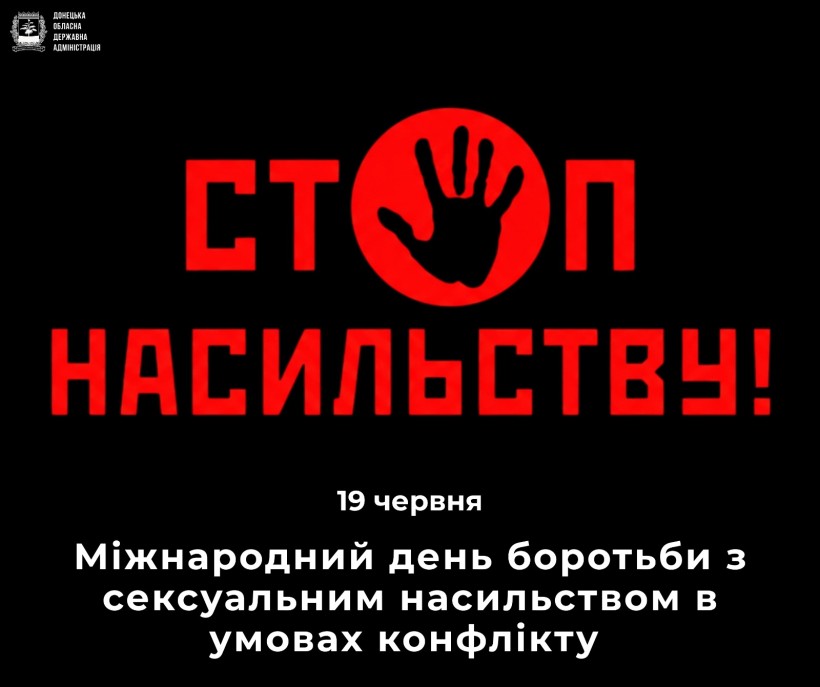
Every year on June 19, the international community observes the International Day for the Elimination of Sexual Violence in Conflict. This date was proclaimed by the United Nations General Assembly through Resolution A/RES/69/293 in 2015 with the aim of drawing attention to the problem of sexual violence associated with armed conflicts, honor the victims, and support efforts to prevent such crimes and address their consequences.
The date of June 19 was chosen to commemorate the adoption by the UN Security Council in 2008 of Resolution 1820, which for the first time officially recognized sexual violence during war as a threat to international peace and security. The resolution emphasized that rape and other forms of sexual violence can be used as a method of waging war, intimidating the population, forcibly displacing people, or destroying social ties.
Sexual violence in conflict situations constitutes a gross violation of human rights and the norms of international humanitarian law. Women, men, and children—regardless of age, nationality, or social status—can become its victims. The consequences of such crimes are often long-lasting and cause serious harm to a person’s physical and mental health, while also affecting their family and community.
Since the start of Ukraine’s War of Independence, international organizations, human rights institutions, and government agencies have repeatedly documented instances of sexual violence committed by Russian military personnel in the temporarily occupied territories. Such actions are considered serious violations of international humanitarian law and may constitute war crimes. Ukraine, together with its international partners, is documenting these crimes, providing assistance to victims, and working to hold the perpetrators accountable.
To date, the Office of the Prosecutor General is investigating at least 363 cases of sexual violence linked to Russia’s military aggression against Ukraine. The facts of these crimes have been officially documented not only by Ukrainian law enforcement agencies but also by international partners. The victims include children, women, and men.
An important aspect of this work is the creation of a comprehensive support system for victims. Mechanisms are being implemented in Ukraine to provide medical, psychological, social, and legal assistance to people who have survived war-related sexual violence. Government agencies, civil society organizations, and international partners—including UN agencies—are participating in these efforts.
Remembering the victims and standing in solidarity with them is an integral part of international efforts aimed at restoring justice, upholding the rule of law, and preserving human dignity.