On July 25–26, the “Ukrainian Identity Through the Prism of Various Art Forms” art residency took place at the “Sunny Transcarpathia” sanatorium, part of the “Pearl of Donetsk Region” Regional Children’s and Youth Sanatorium and Health Resort Complex in the village of Polyana. The event was initiated by the Department of Culture of the Donetsk Regional State Administration and organized by the Donetsk Regional Art Museum.
Children and young people from frontline communities in the Donetsk region—who are undergoing health treatment, recreation, and psychological rehabilitation—immersed themselves in the world of traditions and symbols of Ukrainian decorative and applied arts.
The art residency program was rich and vibrant—it combined creative practices with an introduction to folk art, giving participants a sense of warmth, inspiration, and a genuine connection to the cultural heritage that unites and sustains them
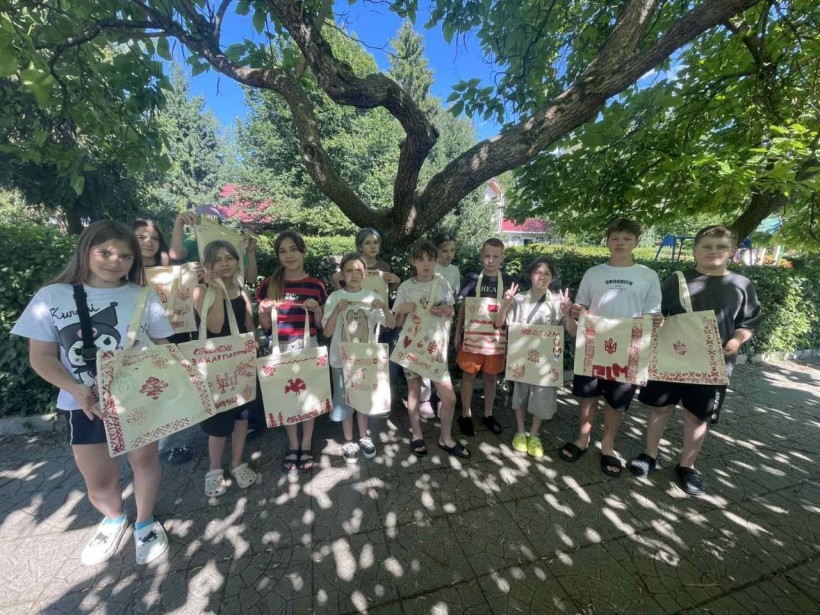
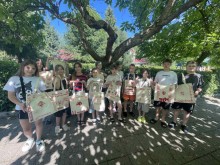
During the interactive session “EthnoStyle: Painted Traditions,” participants created their own artwork by painting shopping bags using traditional techniques. They discovered the world of Ukrainian ornaments, experienced the mood of colors and their symbolism, and tried combining ancient motifs with their own ideas.
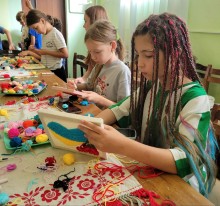
The block-printing technique revealed yet another vibrant facet of folk art to children and young people. At the “Ukrainian Ornament: An Imprint of Identity” workshop, they eagerly mastered traditional methods of applying patterns using stamps, experimenting with shapes, rhythms, and combinations as if composing their own visual language.
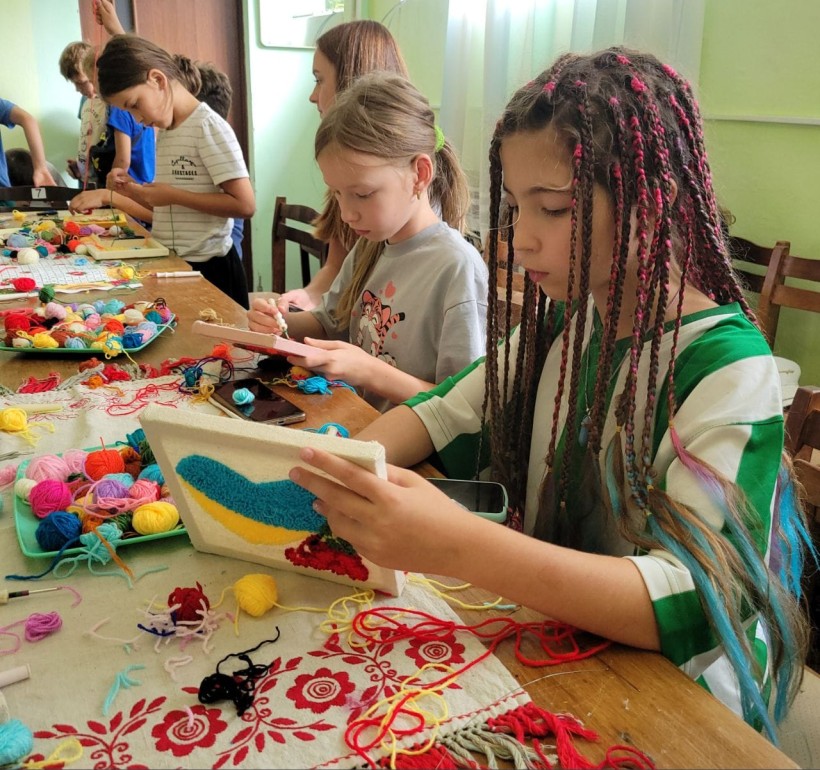
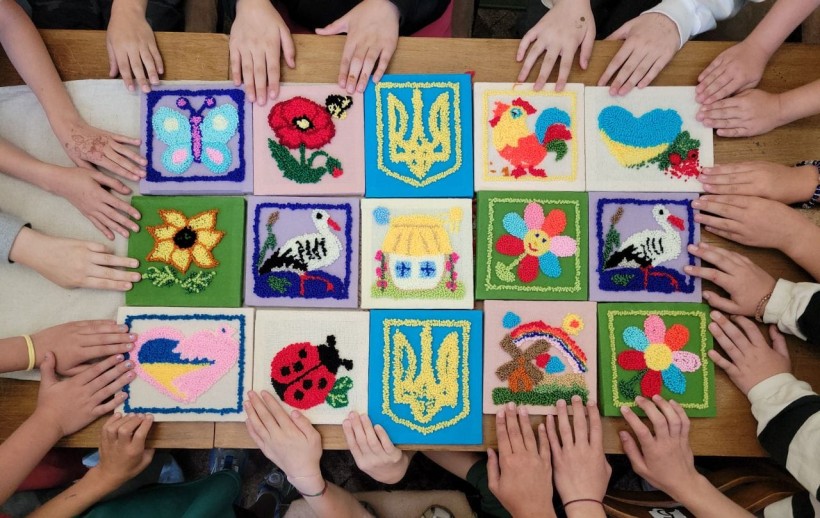
The interactive session on carpet embroidery, “Amulets of Ukraine,” was particularly heartwarming and symbolic. As they worked on their own creations, the children imbued them with personal meanings, transforming them into unique amulets—symbols of home, memory, and hope; signs of protection, love, and the spiritual strength of the Ukrainian people.
Alongside the hands-on activities were lively conversations about meaning: about traditions that endure even during war; about symbols that bridge generations; and about the Donetsk region—as part of Ukraine’s vast cultural landscape. And, perhaps most importantly—about the fact that Ukrainian identity isn’t just found in museums or textbooks; it’s also in the hands of children who are learning to create.
These days were not just about art. They were about support, about healing, about the opportunity to feel safe and to create freely.
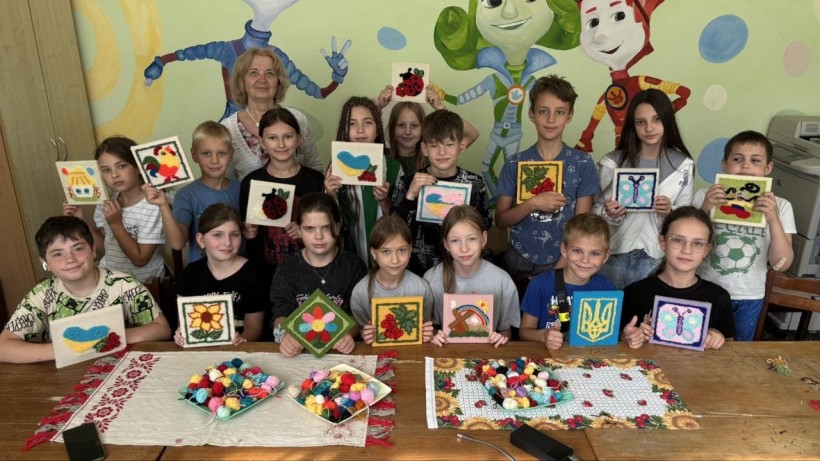
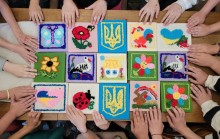
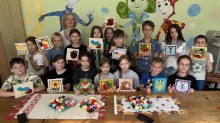
The residency concluded with a pop-up exhibition—heartfelt and incredibly diverse. Each piece has its own mood, its own story, and its own hope. And in each one—Ukraine, living in children’s hearts with faith in victory and a happy future.