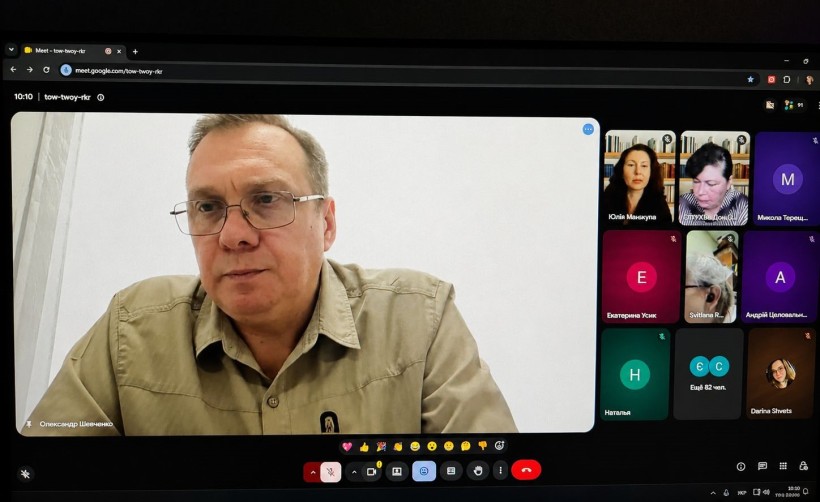
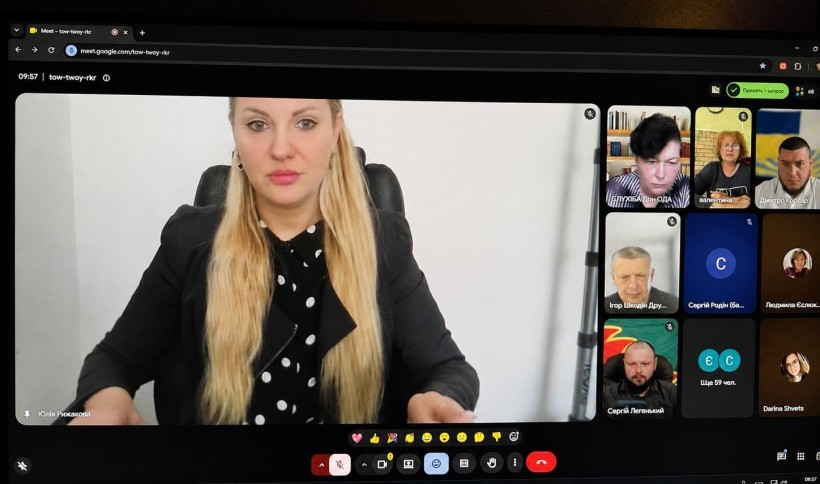
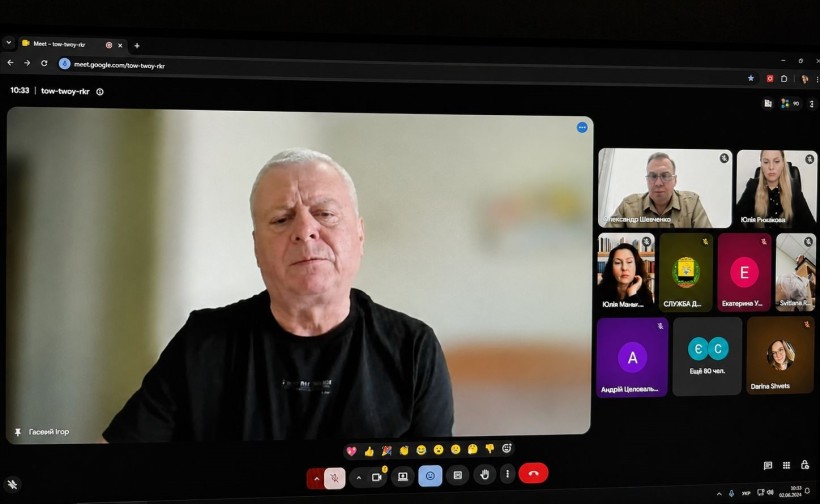
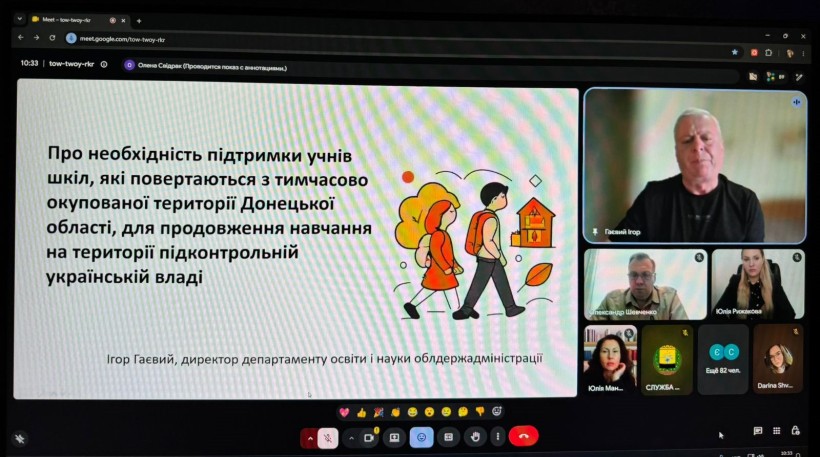
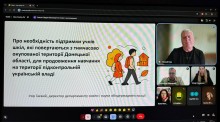
On June 2, 2026, a meeting of the working group on the implementation of the 2024–2028 Strategy for Ensuring Children’s Right to Grow Up in a Family Environment was held, chaired by Oleksandr Shevchenko, Deputy Head of the Donetsk Regional State Administration.
The meeting was attended by the heads of the regional administration’s Children’s Services and Department of Education and Science, members of the working group, as well as deputy heads of the region’s district and local military administrations. Participants discussed the institutional resilience of the child protection system, overcoming staffing challenges in communities, and creating a safe educational environment for children returning from temporarily occupied territories.
Today, Donetsk Oblast is demonstrating strong results in the development of family-based care: through the joint efforts of the authorities and communities in the region, 2,847 orphans and children deprived of parental care have been placed in families. To maintain this stability, the regional leadership has directed communities to adopt an exclusively preventive approach in their work and to strengthen the legal security of children’s legal representatives.
To improve the system’s efficiency and strengthen human resource capacity, communities are recommended to optimize the internal structure of child welfare services. Such restructuring will allow for the concentration of financial resources to increase salaries for specialists who directly perform their duties in the territory controlled by Ukraine.
The meeting paid special attention to distance learning for children in the occupied territories, an area where Donetsk Oblast has been a leader since 2014. Currently, 64 educational institutions in 32 communities across the region maintain continuous contact with 2,133 students, helping them receive a quality Ukrainian education. This work is most effectively organized in the Sloviansk, Selidovo, Mariupol, Nikolsk, and Sartana communities.
Given the difficult conditions and pressure under occupation, the region is launching a large-scale informational and social campaign. Communities have been tasked with developing local support programs for graduates from the temporarily occupied territories who choose a Ukrainian future.
Following the online meeting, participants were given clear instructions to ensure the systematic implementation of the Strategy’s goals.