
A new awareness campaign by the Ministry of Youth and Sports of Ukraine helps people understand their bodies’ real needs and debunks common health myths. Based on scientific evidence, the initiative encourages people to reevaluate their daily habits.
Sleep as Daily Therapy
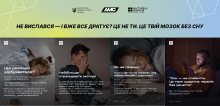
- Sleep is a free daily therapy that relieves emotional tension.
- When we don’t get enough sleep, the molecule adenosine builds up in the brain, and the amygdala begins to function unchecked, causing severe irritability.
- Young adults aged 18–24 suffer the most from sleep deprivation, exhibiting the highest levels of anxiety.
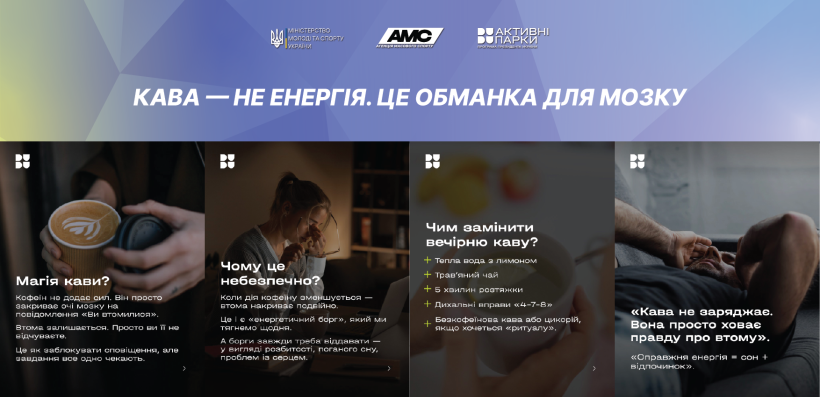
The Whole Truth About Coffee and Fatigue
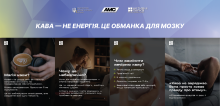
- Caffeine doesn’t actually provide the body with real energy; it merely tricks the brain by blocking signals of fatigue.
- This habit creates an “energy debt,” which ultimately leads to heart problems, poor sleep, and a feeling of exhaustion.
- Experts recommend replacing your evening coffee with warm water with lemon, herbal tea, a five-minute stretching session, or special breathing exercises.
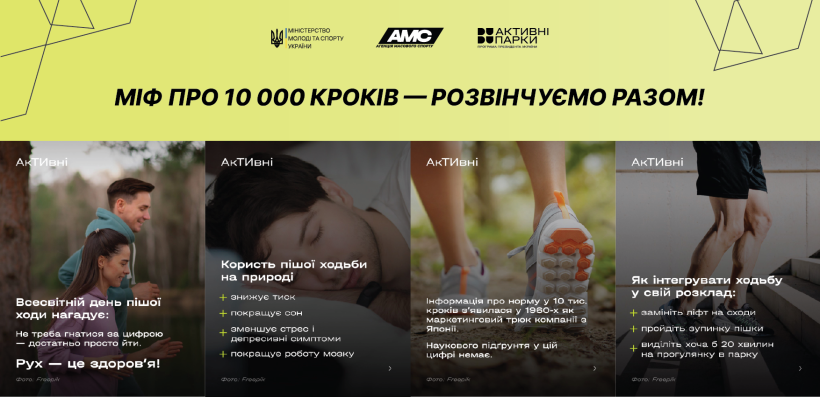
The Myth of 10,000 Steps
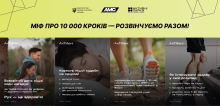
- The popular “10,000 steps” guideline has no scientific basis and originated in the 1960s solely as a marketing ploy by a Japanese company.
- Don’t get hung up on a specific number—simply walking is enough to lower blood pressure and reduce stress.
- It’s helpful to incorporate walking into your routine: take the stairs instead of the elevator, walk one stop, or set aside at least 20 minutes for a walk in the park.
Sports for Longevity and Age-Appropriate Exercise
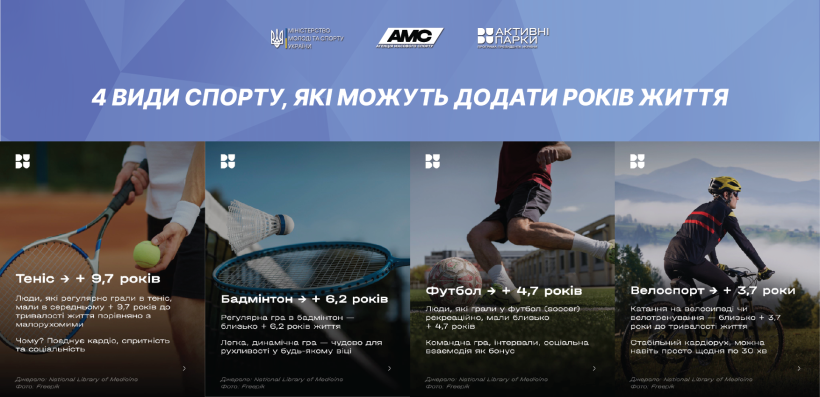
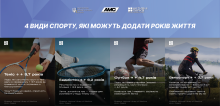
- Regular participation in certain sports can significantly add years to your life. Tennis adds an average of 9.7 years, badminton adds 6.2 years, soccer adds 4.7 years, and cycling adds 3.7 years.
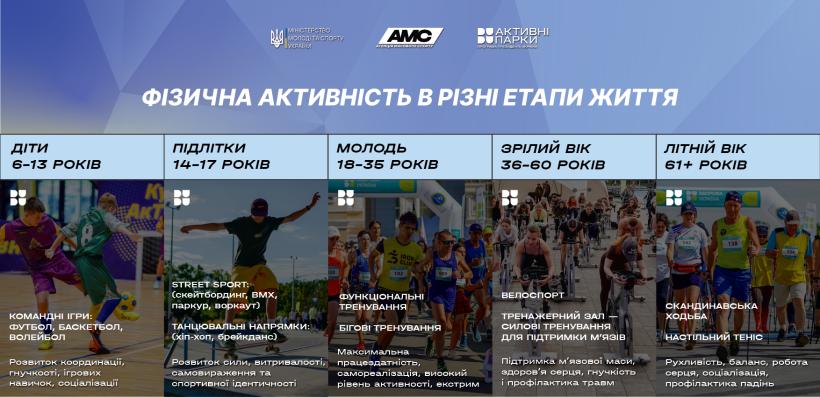
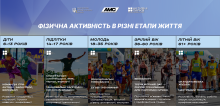
- Physical activity should be adapted to each stage of life.
- For children ages 6–13, team sports such as soccer, basketball, or volleyball are best suited.
- For teenagers ages 14–17, street sports and dance styles are recommended.
- For young adults ages 18–35, running and functional training are beneficial.
- Adults aged 36–60 should focus on cycling and gym workouts to maintain muscle strength.
- For those over 61, Nordic walking and table tennis are ideal activities.