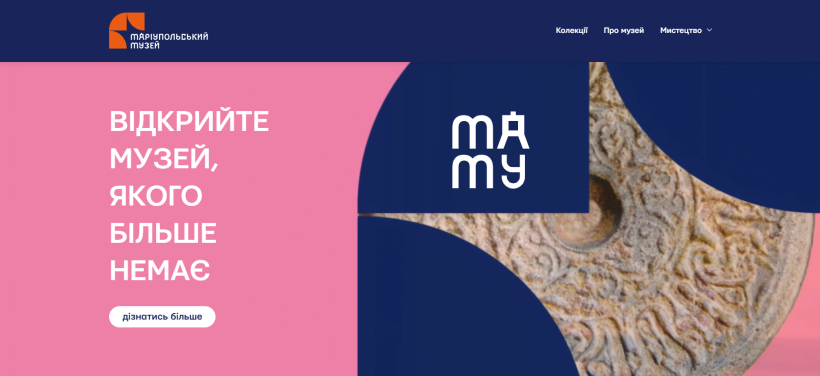
The Mariupol Local History Museum has opened public access to an electronic catalog of its collection. This resource is intended to preserve the memory and identity of the city, which the occupiers are trying to erase, as well as to record evidence of crimes against Ukraine's cultural heritage.
Today, the museum operates in exile, restoring its collection in digital space. When the war began, the museum, like the rest of Mariupol, was destroyed: some of the collection was stolen by the occupiers, some was destroyed, and the fate of many museum objects is still unknown.
The electronic catalog has become the museum's key documentary base — proof that these museum treasures belonged to Ukraine. The collected data will be handed over to law enforcement agencies for the investigation of crimes against Ukrainian culture.
Currently, the electronic catalog covers the museum's painting and graphic collections — about 1,700 museum items and 532 authors. In the future, the resource will ensure the preservation and accessibility of information about artistic, ethnographic, archaeological, and historical collections for researchers and the general public. An English version of the catalog will also be available by the end of January 2026.
The electronic catalog is being created in collaboration with the Raphael Lemkin Society, the Museum of Contemporary Art NGO, and the HeMo Ukrainian Heritage Monitoring Laboratory, with the support of the Ministry of Foreign Affairs of the Kingdom of the Netherlands and the Penn Cultural Heritage Center.
📌 View the catalog: http://collections.mariupol-museum.org.ua
Based on materials from the Mariupol Local History Museum