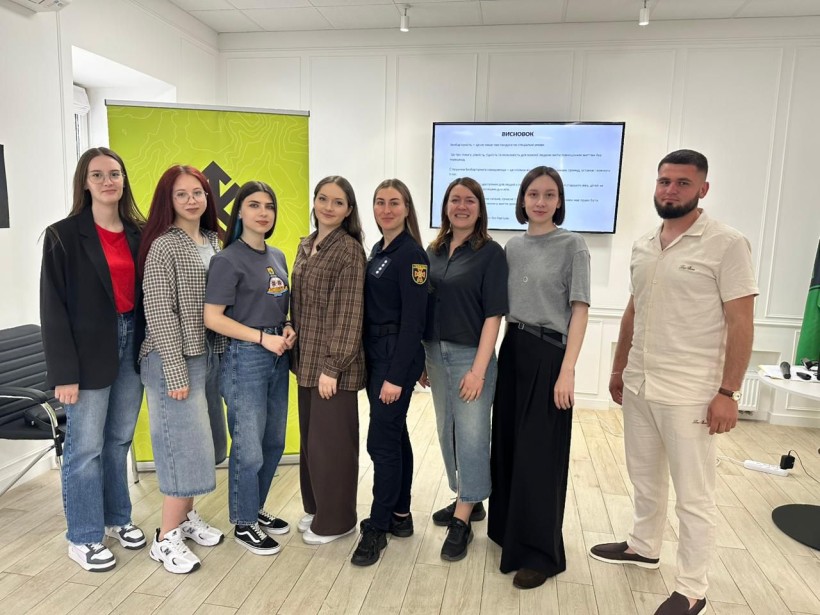
The Youth Council under the Donetsk Regional State Administration, which was formed in April of this year, demonstrates high activity and declares itself as an effective, expert tool for the region's youth policy. Recently, its Committee on the Establishment of Ukrainian National and Civic Identity successfully implemented its first large-scale educational project.
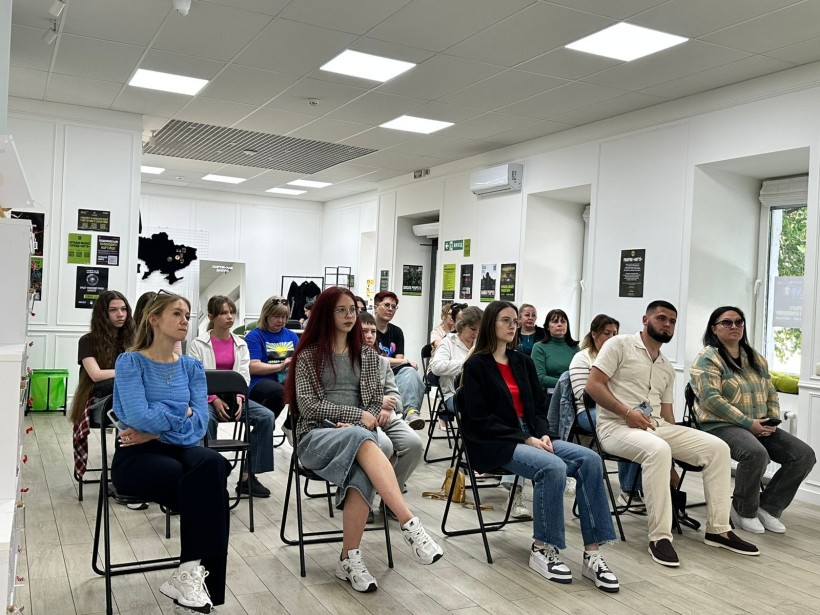
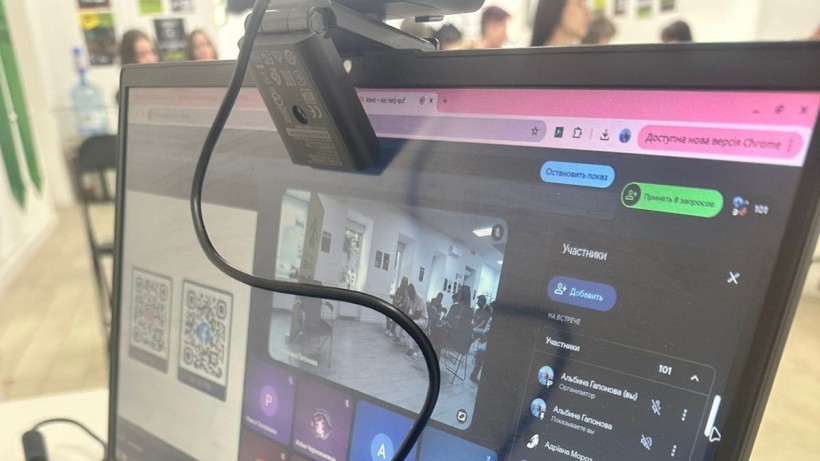
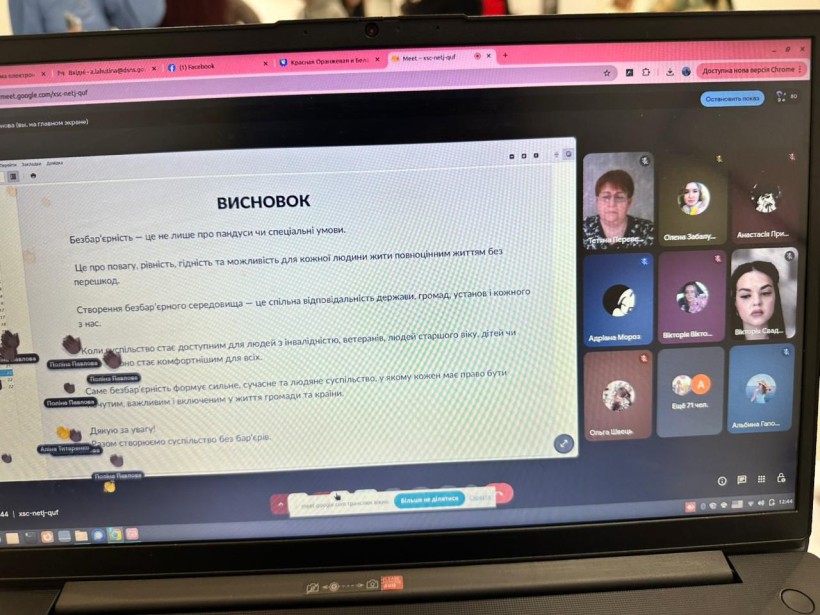
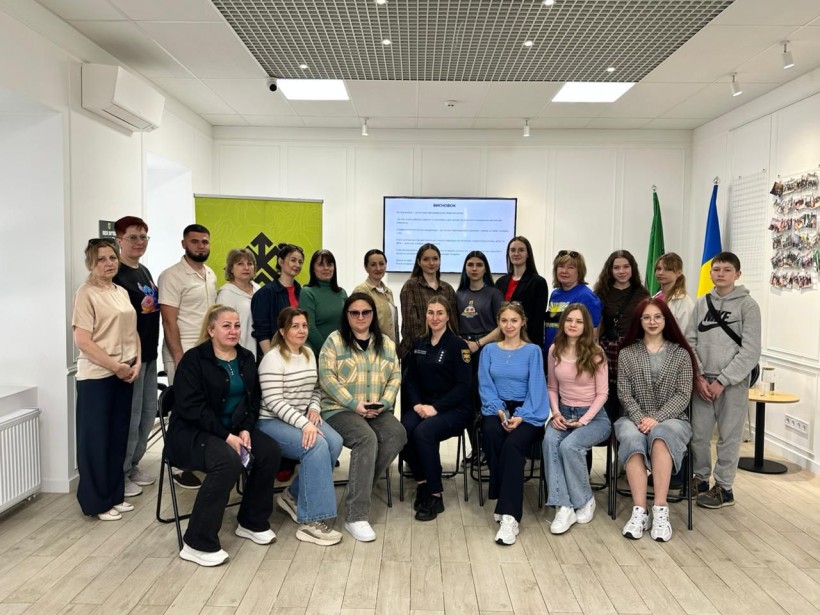
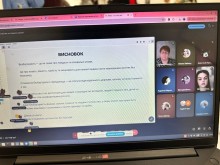
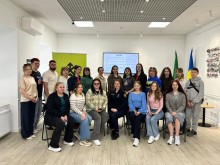
On May 28, an open lecture was held at the Kharkiv Media Hub on the topic: "Accessibility is when you can." The event, which was held in a hybrid format (online and offline), brought together more than 120 participants from different parts of Ukraine - young leaders, public activists and internally displaced persons from the Donetsk region.
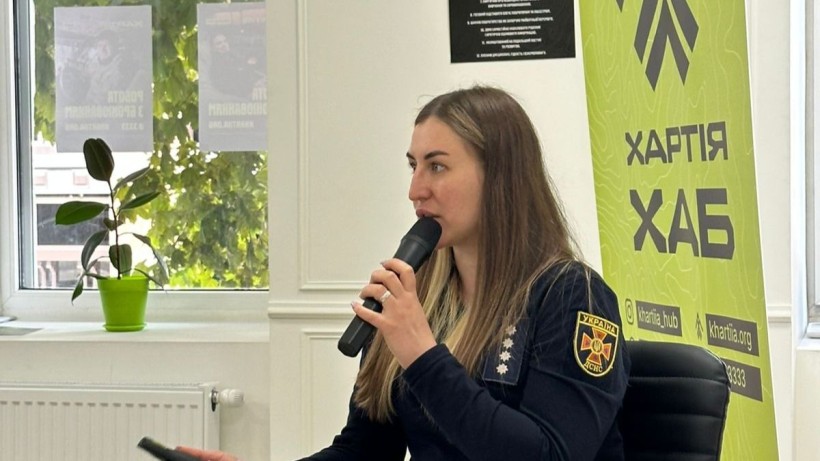
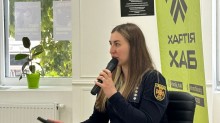
The main speaker was Albina Lagutina, a member of the Youth Council under the Donetsk Regional State Administration, a specialist in gender equality and accessibility of the Main Directorate of the State Emergency Service of Ukraine. The presence of specialists of this profile in the council confirms the serious human resources potential of the newly created collegial body and its readiness to implement qualitative changes.
Destroying invisible walls: 6 dimensions of accessibility
The organizers of the event note that society often does not notice invisible walls - physical, digital or mental - until it encounters them in person. The goal of the lecture was to expand young people's understanding of inclusion and present a comprehensive approach to creating a barrier-free environment.
Together with the speaker, the participants analyzed in detail the 6 key types of accessibility defined by the National Strategy:
1. Physical accessibility. Ensuring conditions under which every citizen – be it a war veteran, a person with a disability or a parent with a baby stroller – can easily and safely get to any institution, civil shelter, youth hub or public transport.
2. Digital accessibility. Creating websites and mobile applications with an intuitive interface, text-to-speech functions, the ability to increase the font size and other tools that make government and commercial online services accessible to everyone.
3. Information accessibility. Organizing communication so that important news, educational lectures, safety instructions and official messages are dubbed with subtitles, sign language or presented in an easy-to-read form.
4. Educational accessibility. Creating conditions for lifelong learning, development and career change at any age, regardless of a person’s special educational needs or geographical location.
5. Economic accessibility. Ensuring equal conditions in the labor market, where the determining factors in employment are exclusively professional skills (hard and soft skills) and the candidate's experience, and not his age, gender or status as an internally displaced person (IDP).
6. Social and civic accessibility. Formation of a society free from stereotypes, prejudices, toxic jokes and any manifestations of bullying or discrimination.
A culture of respect begins with each
Members of the Youth Council under the Donetsk Regional State Administration emphasize that building an inclusive state begins with the personal responsibility of each citizen. Using correct terminology (a ruthless but deeply respectful attitude), respect for the personal space of others and a willingness to support are the basic steps that everyone can take.
The first event of the renewed Youth Council demonstrated the high organizational potential of the new team and the relevance of the topics it raises. Ahead is the implementation of a number of projects aimed at integrating the youth of Donetsk region, supporting defenders and their families, and affirming national identity.
Let's build a future together, where every Ukrainian will be able to confidently say: "I can!"
Follow the announcements, projects and activities of the council on the official pages: Instagram and Facebook.