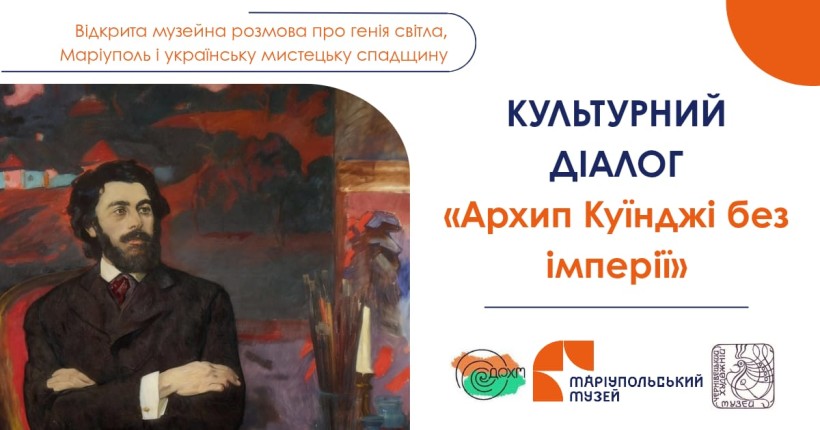
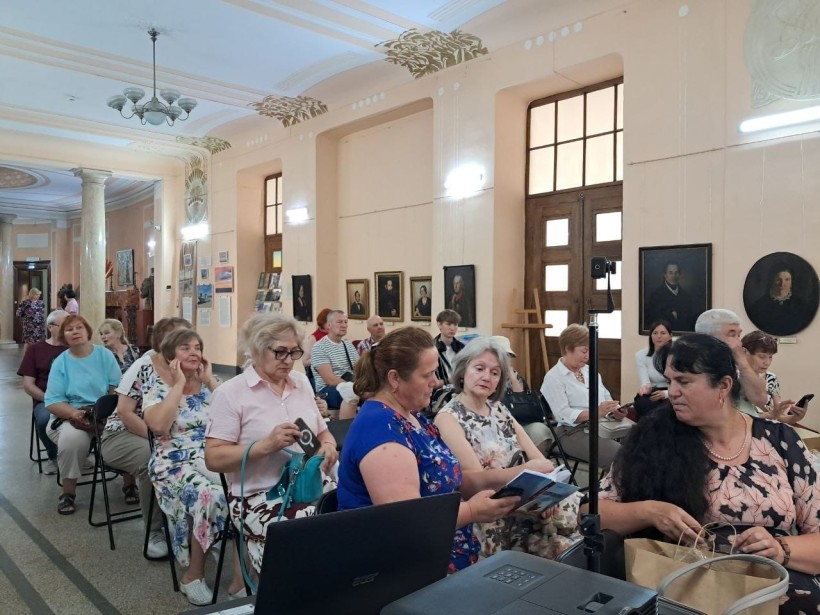
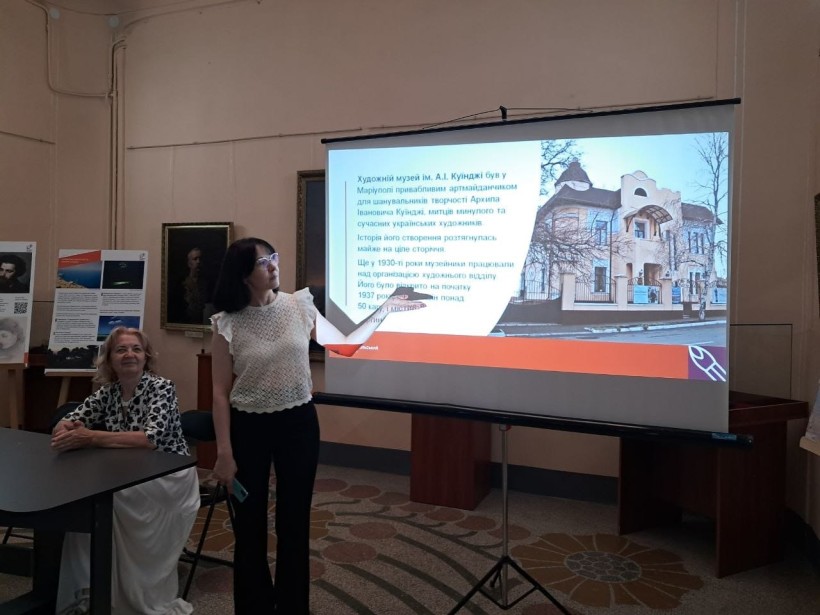
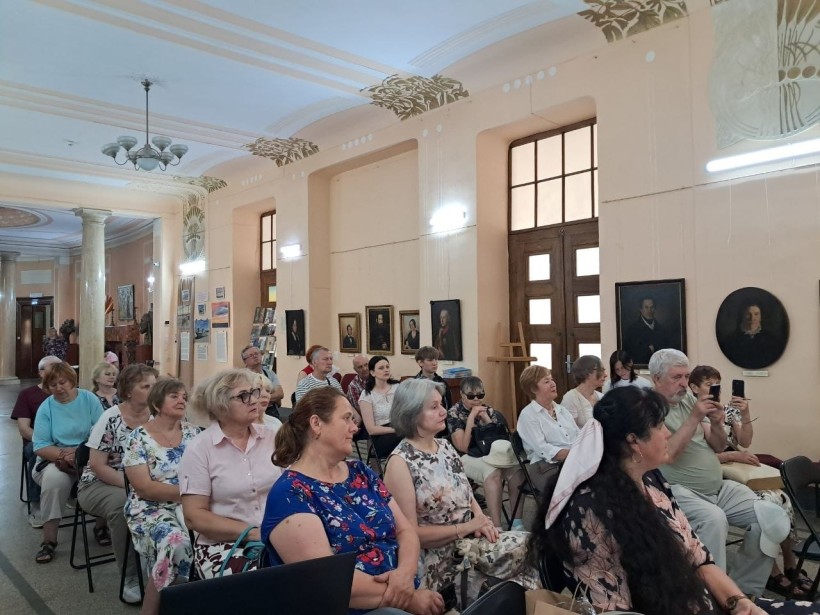
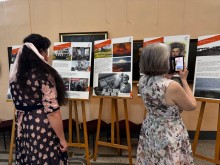
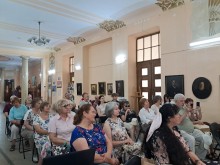
On July 21, an open museum event titled “Arkhip Kuindzhi Without an Empire” took place in Chernivtsi, organized by the Mariupol Local History Museum in collaboration with the Donetsk Regional Art Museum.
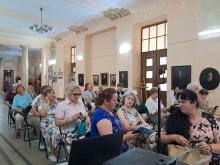
The event, held in the format of a cultural dialogue, took place at the Chernivtsi Regional Art Museum and was dedicated to the memory of the artist, who passed away on July 24, 1910.
The main topic of discussion was the work and Ukrainian identity of the renowned landscape painter Arkhip Kuindzhi, who was born and lived in Mariupol and brought fame to Ukrainian nature through his world-renowned paintings.
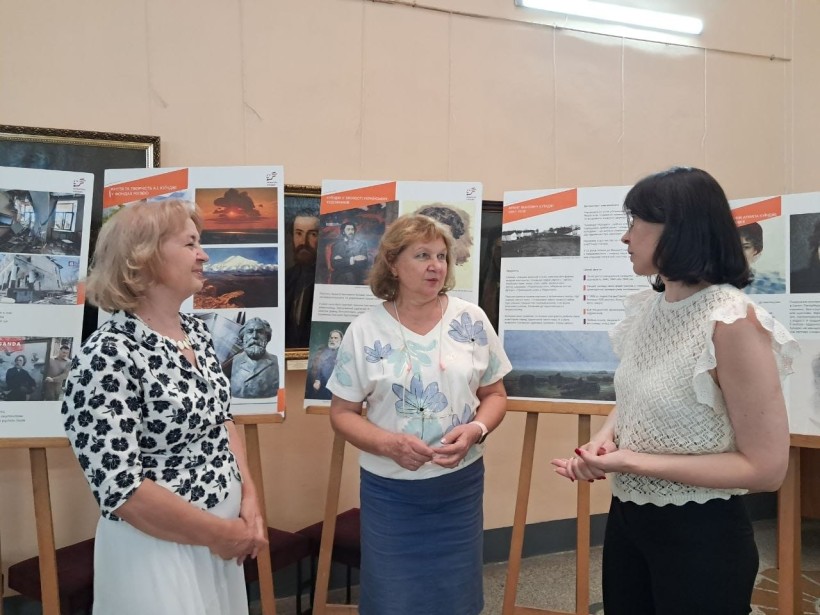
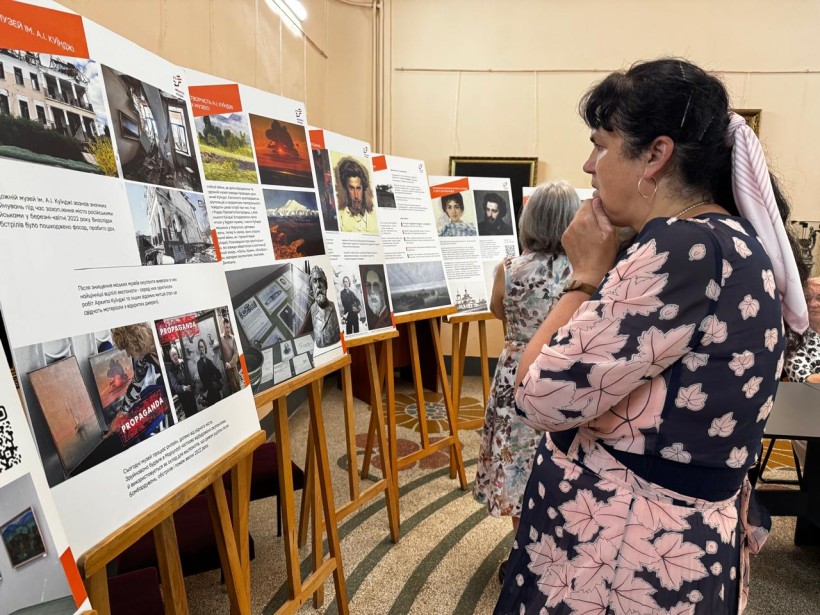
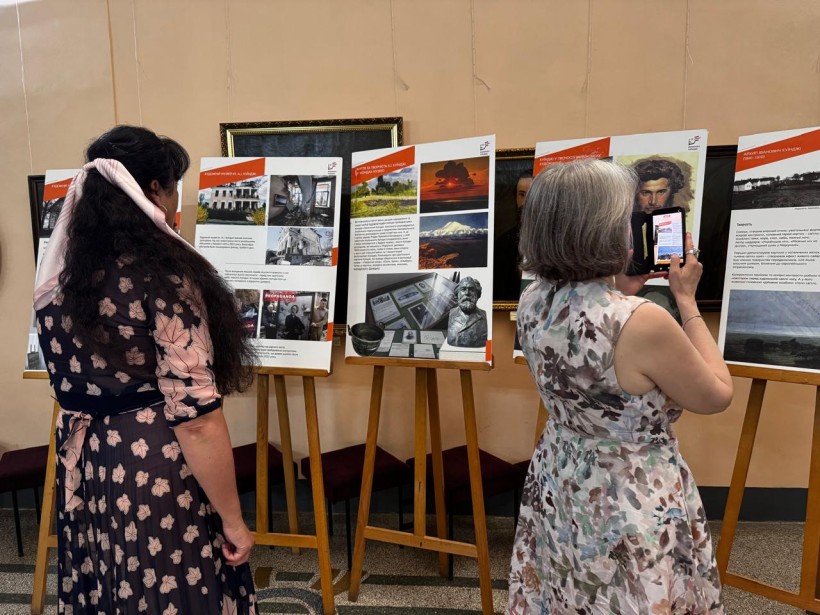
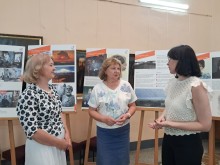
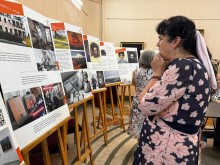
The Mariupol Local History Museum presented visitors with a panel exhibition that reveals interesting facts from Arkhip Ivanovich’s life and presents his work through a contemporary decolonial lens, debunking Russified myths about the Mariupol “genius of light.”
Natalia Aruslanova, director of the Museum of Folk Life (a branch of the Mariupol Local History Museum), noted in her speech: “Ukrainian nature, the Ukrainian language, and Ukraine itself were always important to Kuindzhi. His work is closer to European artistic traditions. In such masterpieces as *Moonlit Night on the Dnieper*, *Ukrainian Night*, and *The Milky Way in Mariupol*, the artist’s Ukrainian national consciousness resounds loudly.”
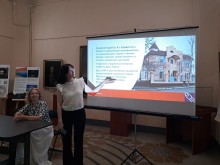
During the meeting, the fate of the A.I. Kuindzhi Art Museum in Mariupol was also discussed. Despite the loss of hundreds of works from its permanent collection, the Mariupol Museum has now revived its art collection in a digital catalog, which will serve as the basis for investigating Russia’s crimes against Ukrainian culture.
It was symbolic that the event took place against the backdrop of the exhibition “Donetsk Region: Rescued Art,” which features paintings and graphic works from the rescued collection of the Donetsk Regional Art Museum.
Svitlana Nepochatova, Deputy Director for Research at the Donetsk Regional Art Museum, spoke to guests about the significance of national heritage in the context of contemporary historical challenges and about the Ukrainian dimension of Ivan Aivazovsky’s work, whose name—like that of Arkhip Kuindzhi—was long portrayed through the lens of the Russian Empire. “For decades, Russian propaganda portrayed Aivazovsky as exclusively a ‘Russian marine painter.’ However, his multifaceted legacy is closely tied to the Ukrainian and Crimean contexts. His paintings feature Ukrainian steppes, Chumak motifs, the harvest in Ukraine, and even Ukrainian wedding traditions,” noted Ms. Svitlana.
An open discussion focused on the return of renowned artists to the Ukrainian cultural landscape concluded with a dialogue between the guests and speakers. Today, museums do more than just preserve heritage. By restoring these names, we are restoring history, strengthening Ukrainian identity, and introducing Ukrainian art to the world free from imperial influences.