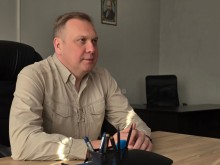
On May 6, a working meeting chaired by Oleksandr Shevchenko, Deputy Head of the Donetsk Regional State Administration, was held to discuss the development of youth policy in the region.
The meeting was attended by deputy heads of district state administrations, representatives of district military administrations, heads of military administrations in local communities, as well as local government specialists who implement youth policy at the local level.
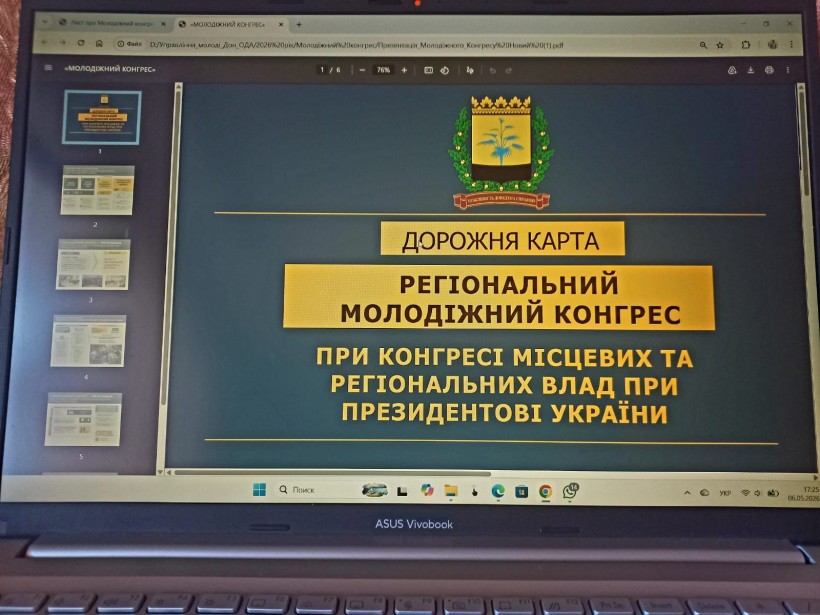
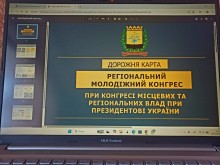
The key topic of the meeting was the creation of the Donetsk Region Regional Youth Congress. This body will become a key component in the updated structure of the Congress of Local and Regional Authorities under the President of Ukraine.
The main goal of the initiative is to engage active youth from all local communities in discussing pressing issues of local development. This approach will allow authorities to respond more promptly to the needs of the younger generation and ensure their participation in the preparation of administrative decisions through open dialogue.
The formation of the Regional Youth Congress will be based on the principles of openness and competitive selection. Young people aged 16 to 24 who are registered residents of local communities in the Donetsk region are invited to participate. In addition, a mandatory requirement for candidates is having experience or a clear motivation for civic engagement, volunteering, or implementing local initiatives.
The process of selecting delegates will cover all 46 territorial communities in the region. In the first stage, the communities will select their representatives—activists and members of local youth councils—to serve on the Regional Congress. The Regional Congress will also include representatives from the Youth Council under the Regional State Administration. During the meetings of this body, 10 delegates will be elected by vote to represent Donetsk Oblast in the Chamber of Youth Congresses at the national level.
The creation of the Regional Youth Congress in Donetsk Oblast is a strategic step toward integrating young leaders into the system of public administration. This instrument of direct dialogue opens up new opportunities for young people to influence decision-making at both the local and national levels.