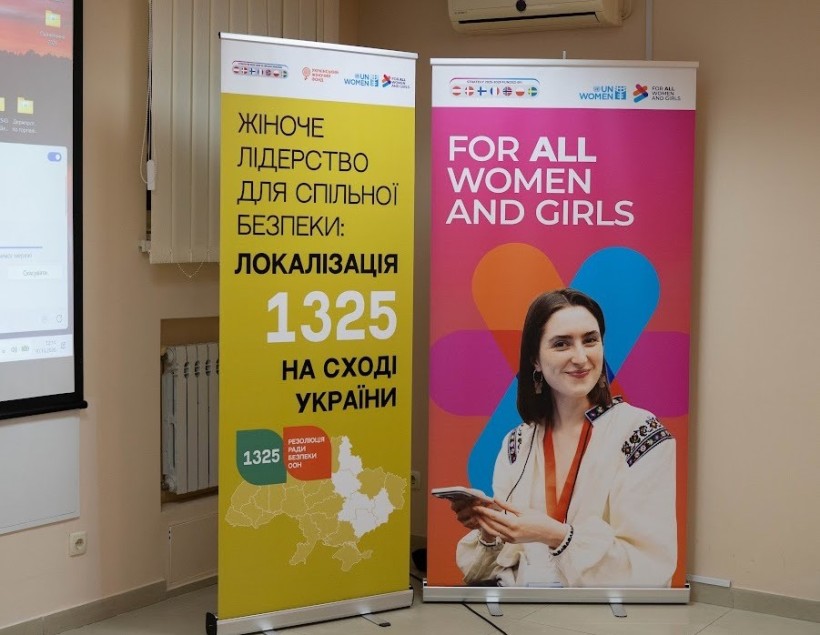
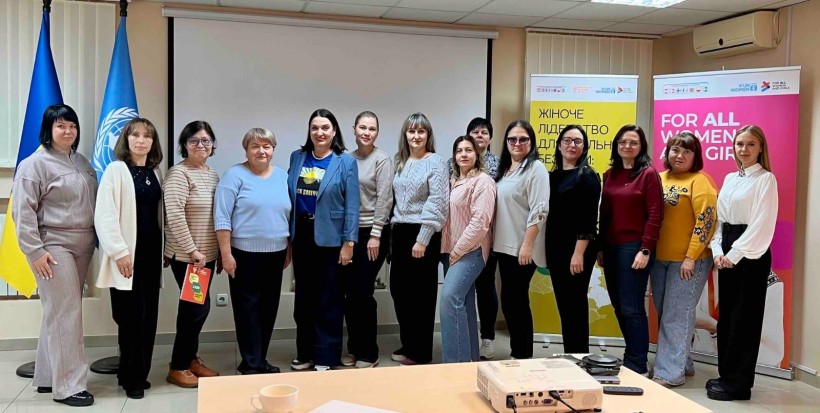
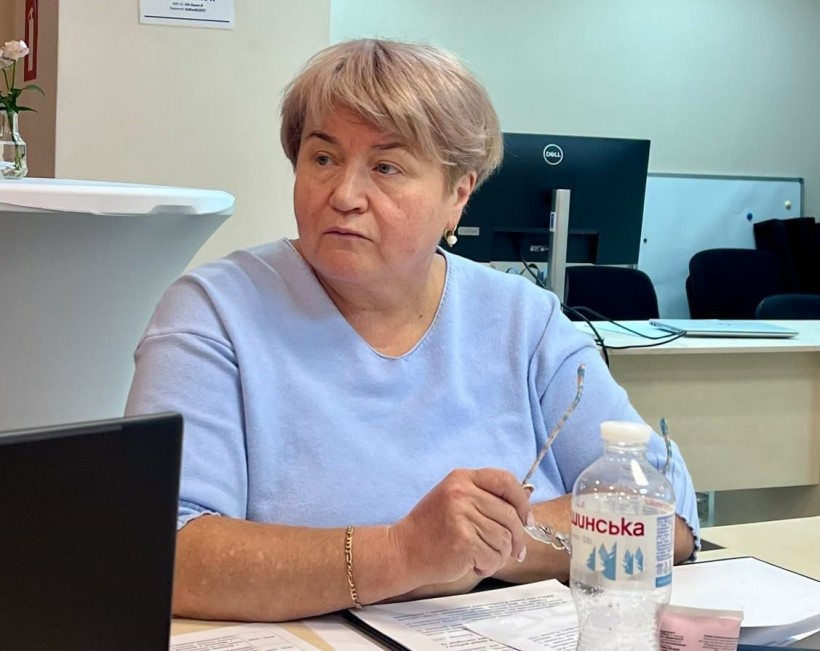
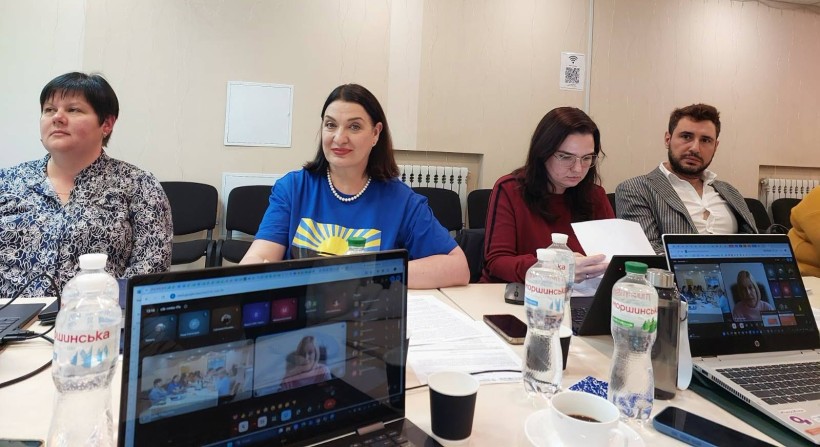
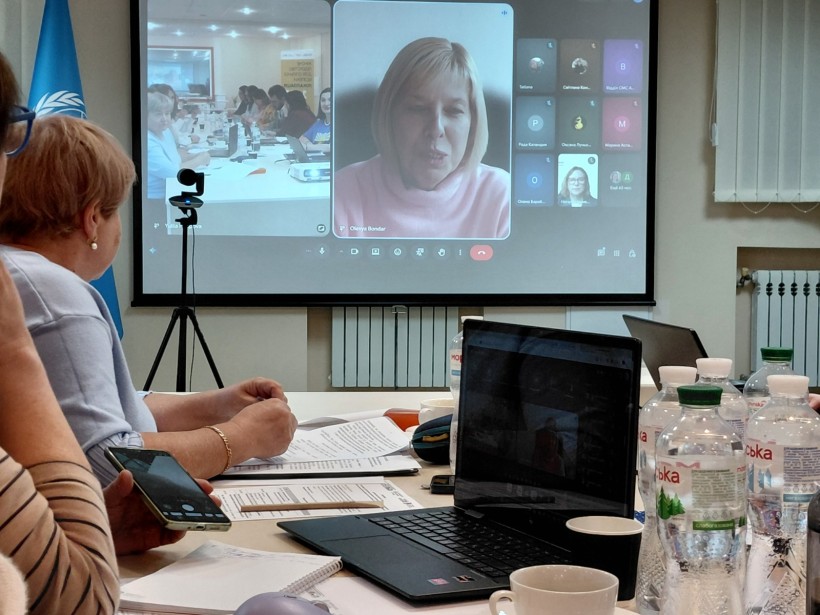
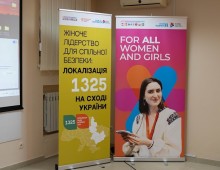
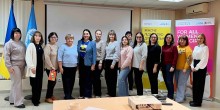
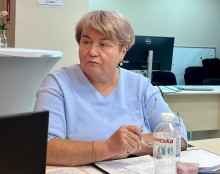
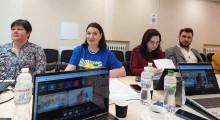
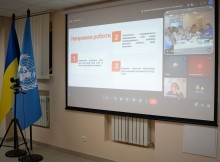
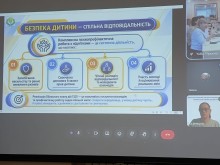
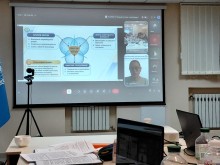
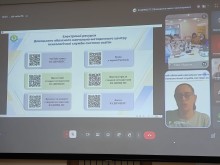
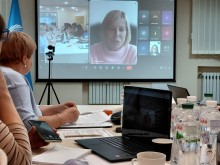
On October 30, 2026, a meeting of the Regional Coordination Council on family policy, gender equality, the prevention and combating of domestic violence, and the fight against human trafficking took place in the city of Dnipro. The meeting was held as a round table titled "Localization of 1325: Regional Priorities, Security Challenges, and Joint Solutions," organized as part of the project "Women’s Leadership for Collective Security: Localization of 1325 in Eastern Ukraine."
The event brought together representatives from regional and local authorities, international organizations, the civil sector, and the "1325 Donetsk Region" Coalition. Participants discussed the implementation status of the Regional Action Plan 1325, identified current security challenges and the needs of territorial communities, and outlined priority areas for future work toward ensuring equal rights and opportunities for women and men.
Attendees included Liliia Zolkina, Head of the Department of Family, Youth, and Mass Events for National-Patriotic Education; Dr. Fatih Resul Kilinç, Program Specialist and Head of the UN Women Regional Office in Dnipro; Olesia Bondar, Director of the Ukrainian Women’s Fund; Oksana Lunova, Project Coordinator at the Ukrainian Women’s Fund; as well as representatives from the Regional State Administration’s Department of Family, Youth, and Mass Events for National-Patriotic Education, territorial communities, civil society organizations, and partner entities. At the opening of the event, Liliia Zolkina, Dr. Fatih Resul Kilinç, and Olesia Bondar emphasized the importance of joining forces—among government authorities, international partners, and the civil sector—to strengthen security, protect the rights of women and girls, and ensure their needs are taken into account during decision-making processes.
In particular, Dr. Fatih Resul Kilinç drew attention to a concerning global trend: according to the UN’s annual report on "Women, Peace and Security," women accounted for only 5% of negotiators across 57 peace processes worldwide in 2025. This figure underscores the need to increase women's participation in decision-making, especially within the spheres of security and peacebuilding.
Olesia Bondar commended the work being carried out in the Donetsk region despite extremely challenging security conditions and highlighted the importance of providing expert and resource-based support for regional initiatives.
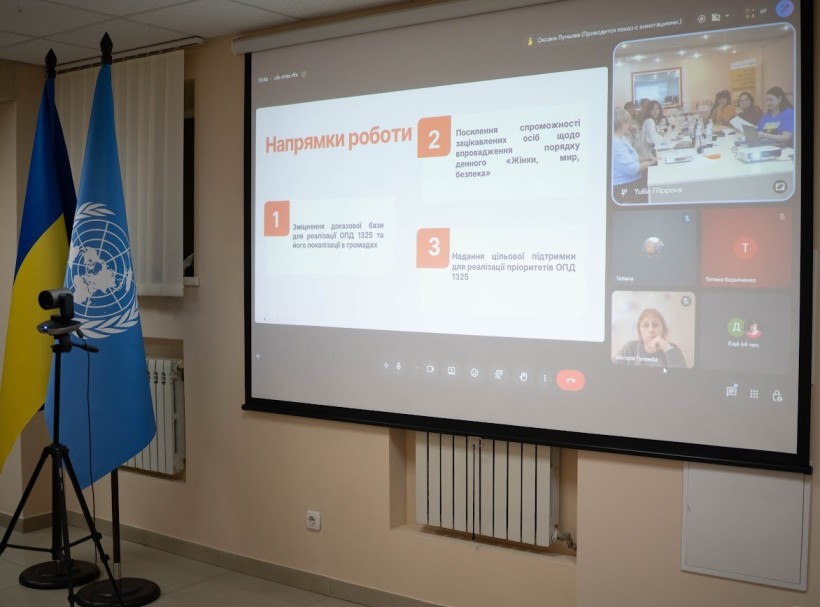
Oksana Lunova presented the project "Women’s Leadership for Collective Security: Localization of Resolution 1325 in Eastern Ukraine," outlining its objectives, key components, expected outcomes, and implementation approaches.
In her remarks, Liliia Zolkina discussed the implementation of the "Women, Peace and Security" agenda at the regional level, focusing on the execution of the second Regional Action Plan 1325 (running through 2030) and the collaboration between government authorities and the civil sector. Priorities for 2026–2027 include ensuring the continuity of assistance to the population regardless of their current location, strengthening interagency coordination, enhancing the professional capacity of specialists, and engaging youth in the implementation of the Agenda 1325. Supporting women's leadership remains a distinct focus area, notably through the "Congress of Women of the Donetsk Region" and the "Woman of the Donetsk Region" contest.
The subsequent discussion was moderated by Liliia Kislitsyna, President of the NGO SMARTA and Head of the Secretariat of the "Coalition 1325 Donetsk Region." She emphasized that, since 2021, the Coalition has consistently worked to address the needs of women within communities and remains a vital platform for interaction between the authorities, civil society, and the security sector.
During the panel discussion, participants addressed current security risks, the needs of various population groups—particularly those underserved by existing support measures—as well as challenges and gaps in the implementation of the "Women, Peace and Security" agenda.
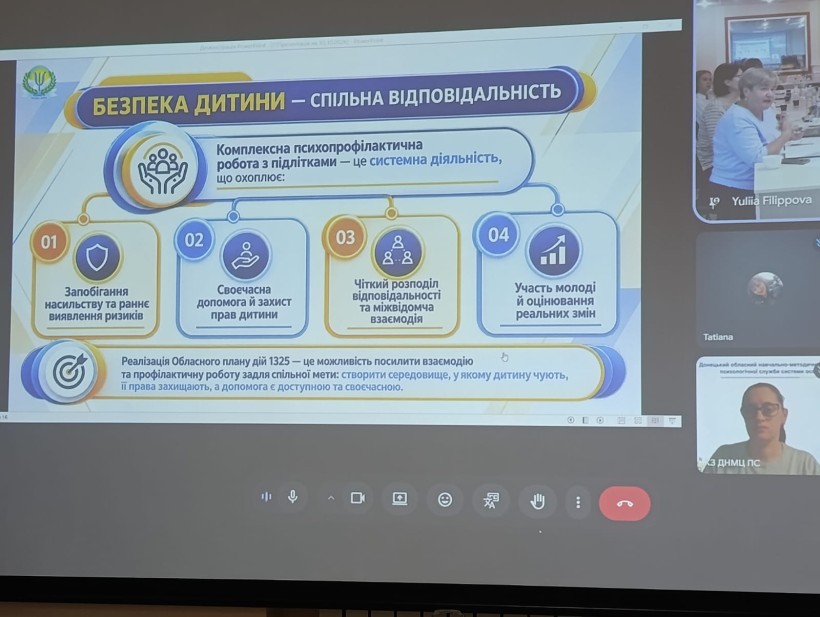
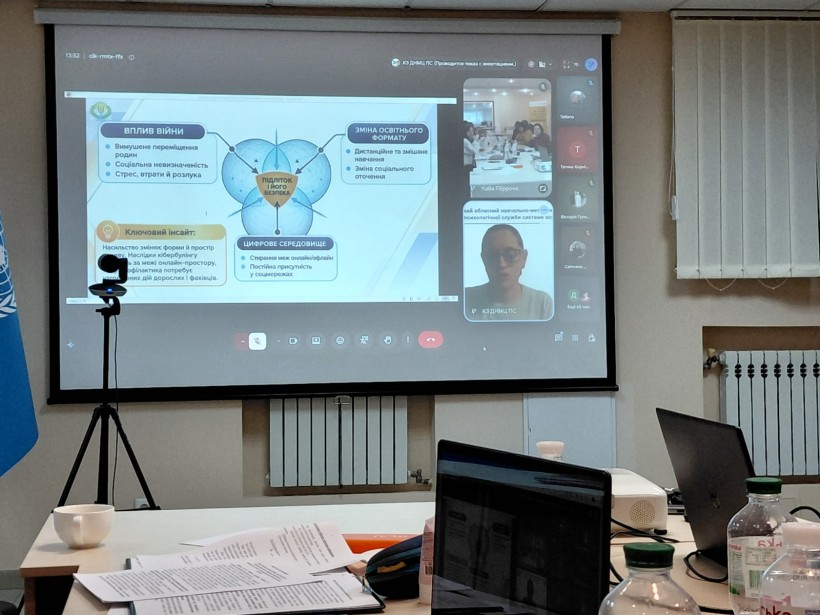
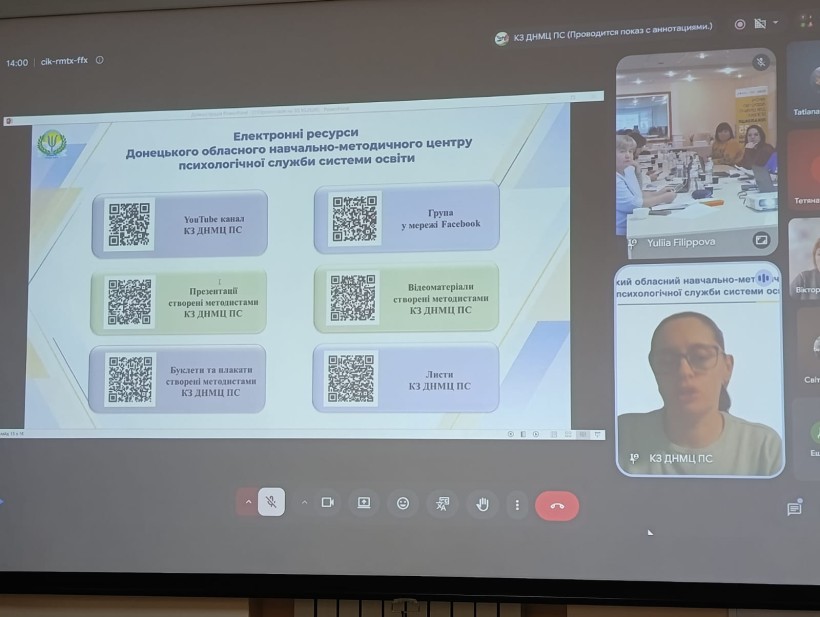
Specifically, Iryna Pavlivska (from the Regional Center for Psychological Services) raised the issue of access to psychological support for children and adolescents—including those who are internally displaced—as well as the prevention of bullying and violence. Representatives of the Coalition 1325 Donetsk Region proposed a number of practical initiatives:
* Albina Haponova (State Emergency Service of Ukraine) proposed organizing training for State Emergency Service personnel on identifying the risks of conflict-related sexual violence (CRSV).
* Mariia Shamonina (NGO "Pokrovsk Human Rights Organization 'SHCHYT'") reported on the delivery of training in facilitation and non-violent communication for staff at support hubs, as well as the development of basic guidelines for civilians on how to stay safe during explosions.
* • Natalia Naumenko (NGO "Motivational Circle") emphasized the need to develop gender profiles and local action plans for relocated territorial communities; she also presented a handbook for communities, created by her organization’s team.
* Kateryna Khanieva (Charitable Foundation "Slavic Heart") highlighted the importance of showcasing women’s contributions to community development and expressed support for the continued organization of the "Woman of the Donetsk Region" contest and the Congress of Women of the Donetsk Region.
* Liudmyla Huseinova (NGO "Come On, Sisters!") drew attention to the need to include the issue of civilian women held in captivity within the Congress program, advocating for their release and providing support to these women upon their return.
Special attention was given to defining priority areas of work for 2026–2027, as well as identifying practical solutions and mechanisms to strengthen regional cooperation.
Following the discussion, an agreement was reached to establish a working group comprising representatives from the Donetsk Regional State Administration, the "Coalition 1325 Donetsk Region," UN Women, and the Ukrainian Women's Fund. Its primary task will be to address identified challenges and formulate a list of priority areas and specific actions for the current and coming years.
This dialogue represents an important step toward strengthening the localization of the "Women, Peace, and Security" agenda in the Donetsk region. After all, the effective implementation of state policy in this area requires taking into account the actual needs of the population, ensuring the participation of women in decision-making processes, fostering proper interagency cooperation, and consolidating the efforts of government authorities, civil society organizations, and international partners.
The project "Women’s Leadership for Collective Security: Localization of Resolution 1325 in Eastern Ukraine" is being implemented within the framework of the UN Women Ukraine Strategic Note for 2025–2029, with financial support from the governments of Finland, Austria, Denmark, France, Norway, Poland, and Sweden, and in partnership with the Ukrainian Women’s Fund.