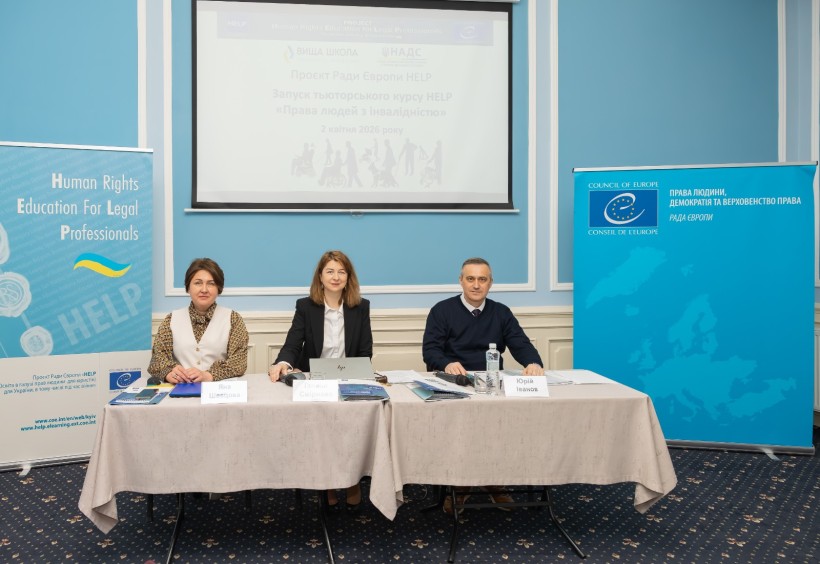



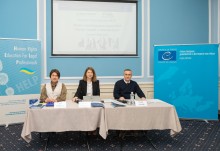


The Council of Europe’s HELP tutoring course, “Rights of Persons with Disabilities,” kicked off in Lviv. The course was organized by the National Agency of Ukraine for Civil Service, the Higher School of Public Administration, and the Council of Europe’s “HELP for Ukraine, including during the war, Phase II” project.
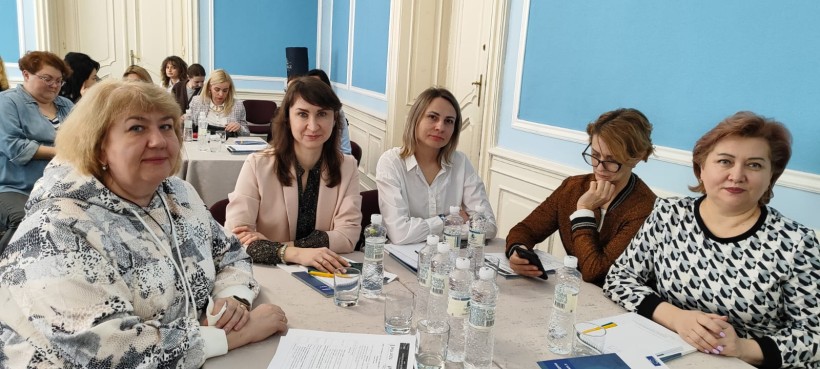
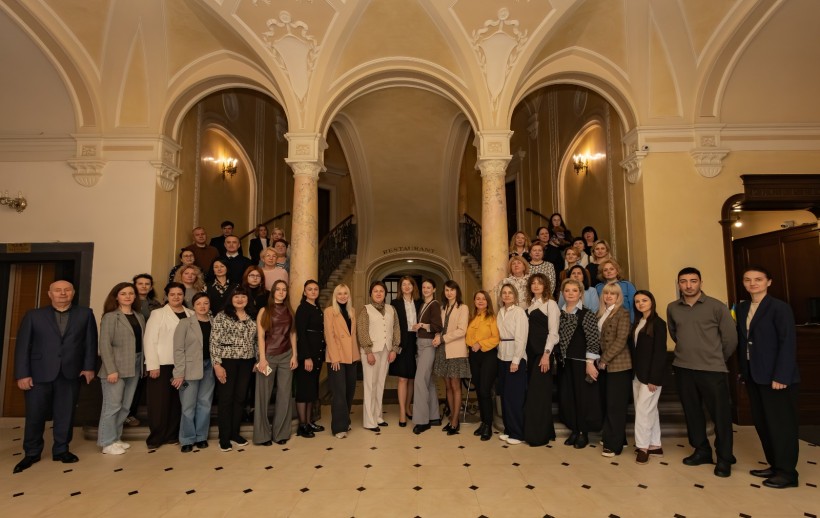
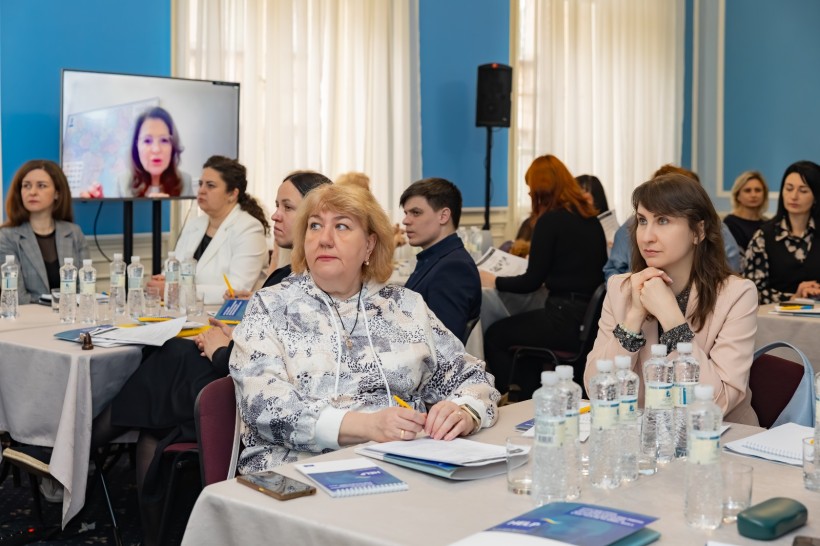
Representatives of the regional state administration participated in the course launch, familiarized themselves with the topic and the HELP platform, as well as the course page where the group will undergo training with the support of a tutor.
The project aims to enhance professional competence in the effective application of European standards in the field of human rights, particularly during wartime.
The course’s objective is to enhance the professional competence of civil servants and local government officials regarding Ukraine’s implementation of European standards for the protection of the rights of persons with disabilities, based on the ratification of the UN Convention on the Rights of Persons with Disabilities. Mastering the requirements of international and national legislation focused on ensuring the rights of people with disabilities.
The course helps participants acquire the skills and abilities to communicate appropriately with people with disabilities, master practical tools for working with people with disabilities, and the implementation of “reasonable accommodation” practices—making necessary proportional modifications and adjustments to standard procedures so that all people can exercise their rights and freedoms.
Ensuring equality in the exercise of the rights and interests of persons with disabilities is one of the priorities of state social policy. The Convention on the Rights of Persons with Disabilities and the European Social Charter define disability not as a health issue but as a social phenomenon.
Provisions of international and national legislation focus on ensuring the rights of persons with disabilities to independence, social integration, and participation in society, including addressing issues related to ensuring access for persons with disabilities to social benefits, preventing all forms of discrimination, and creating barrier-free environments.
The course was opened by NADC Chairwoman Natalia Alyushina, who emphasized that the issue of the rights of people with disabilities is not a separate social topic but a component of the quality of public administration. According to the NADC Chairwoman, it is precisely this training that allows for the integration of human rights standards into the daily work of civil servants.
Today, Ukraine is one of the leading users of the Council of Europe’s HELP platform: more than 25,000 Ukrainian users are already taking human rights courses, which demonstrates the high demand for this knowledge.
The development of such programs is an important part of a broader process—the integration of European human rights standards into Ukraine’s public administration system.
And it is precisely through training, the exchange of experience, and the practical application of these approaches that a modern public service is being shaped—one focused on people and their needs.