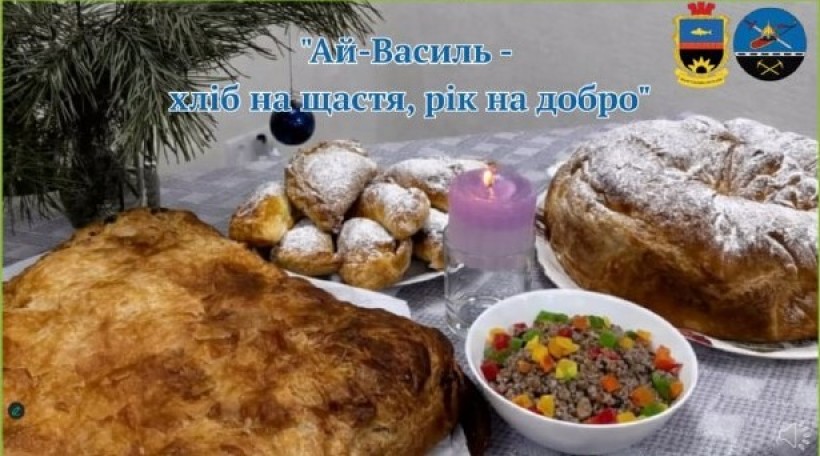
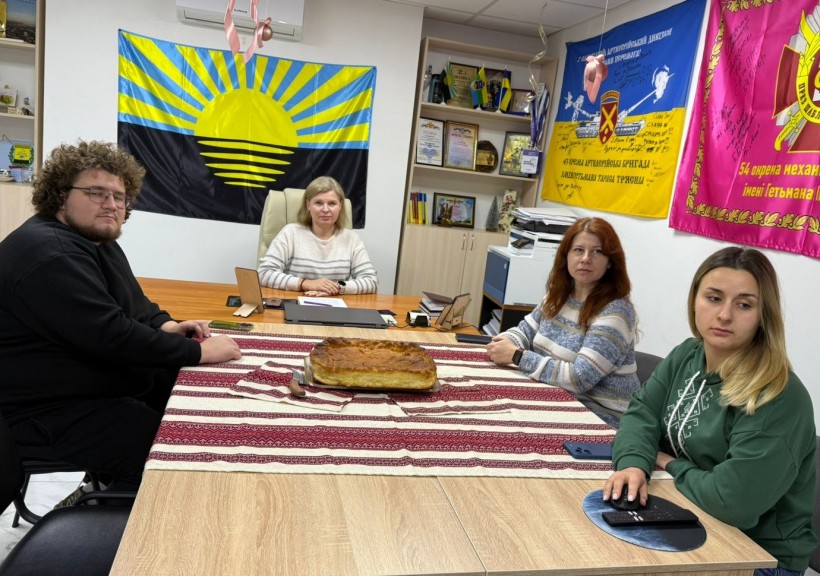

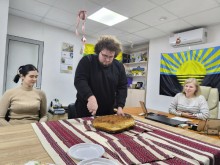
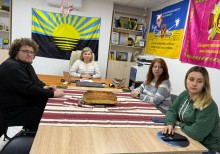
Today, an event was held dedicated to the traditional Greek holiday of Ai-Vasyl, which has long symbolized renewal, prosperity, and family unity. Residents of the Kalchitsa and Mangush communities gathered together to recall the customs of celebrating Ai-Vasyl and share their good wishes.
Natalia Vorobyova, head of the Mangush village military administration, and Viktoria Gulemba, chief specialist of the department of education, culture, youth, and sports of the Kalchitsa village military administration, addressed the audience with welcoming remarks. In their speeches, they wished for peace and prosperity and emphasized the importance of preserving the cultural heritage of Greek communities as an integral part of the history and identity of the Azov region.
Those present recalled the customs of their ancestors, which have long been an integral part of the New Year traditions of Ai-Vasyl, bringing back memories of warm family gatherings, home comfort, and holidays that unite generations.
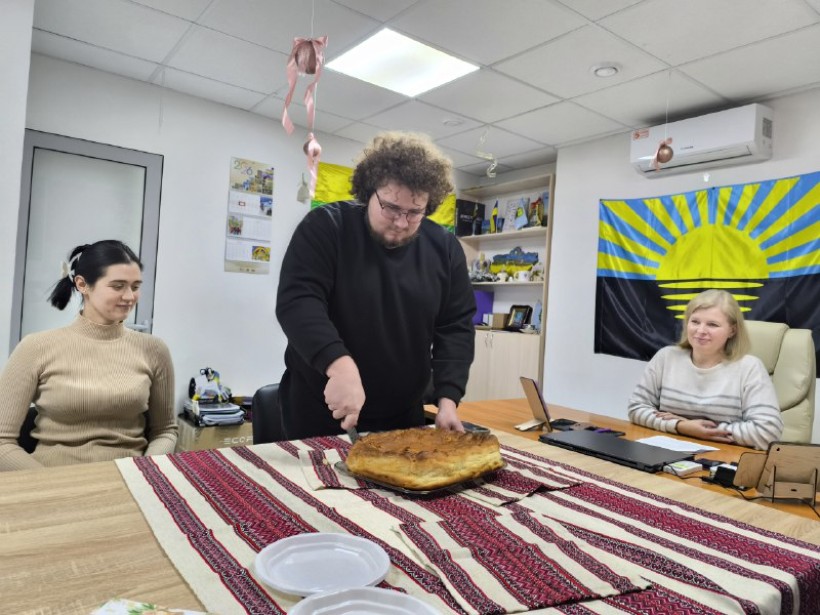
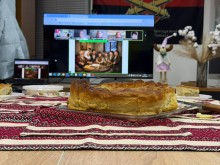
During the meeting, participants learned about the history of the Feast of Saint Basil, its special significance for the Greeks of the Azov region, and the traditions of preparing and cutting the vasilopita, a festive cake that traditionally marked the beginning of the first meal of the new year.
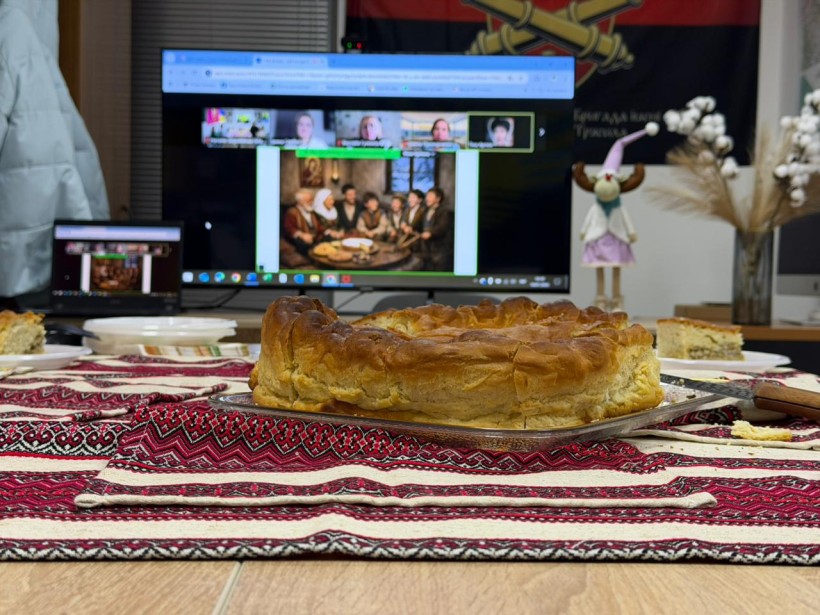
A special and very symbolic moment was the ceremonial cutting of the festive bread. According to tradition, participants searched for a coin hidden inside as a sign of happiness, good luck, and blessings for the coming year.
Incidentally, "Vasilopita. The ritual of cutting the New Year's cake among the Greeks of Nadaz" (Mangush TG, Kalchitsa TG) has been included in the regional list of elements of intangible cultural heritage.
Such meetings are not just about rituals or history. They are about preserving cultural heritage, connecting generations, and showing how even an online format does not prevent us from feeling the unity, warmth, and strength of Greek traditions.
Ai-Vasyl remains a holiday that unites, inspires, and reminds us that our culture is alive as long as we preserve it.
Based on materials from the Kalchitska and Mangush communities