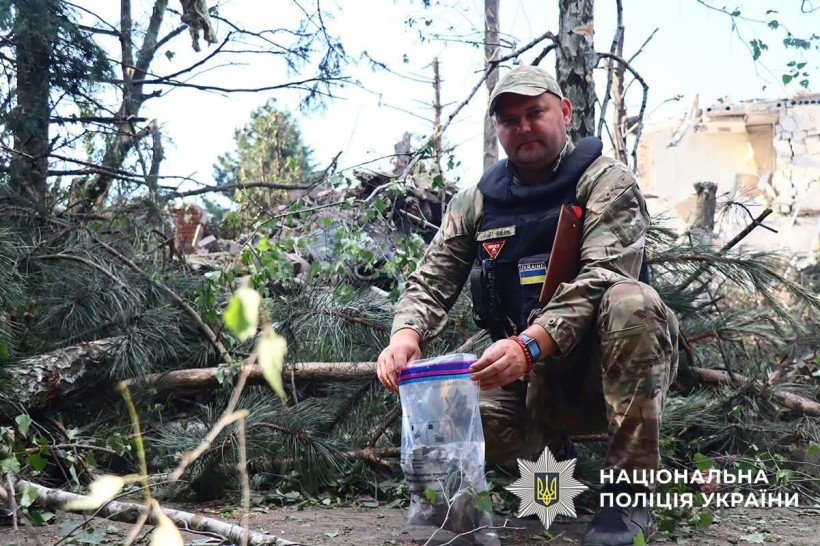
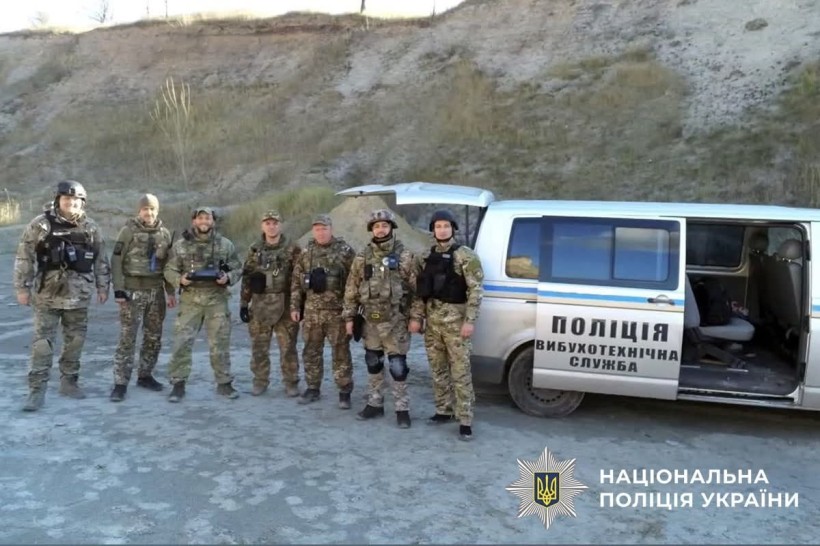
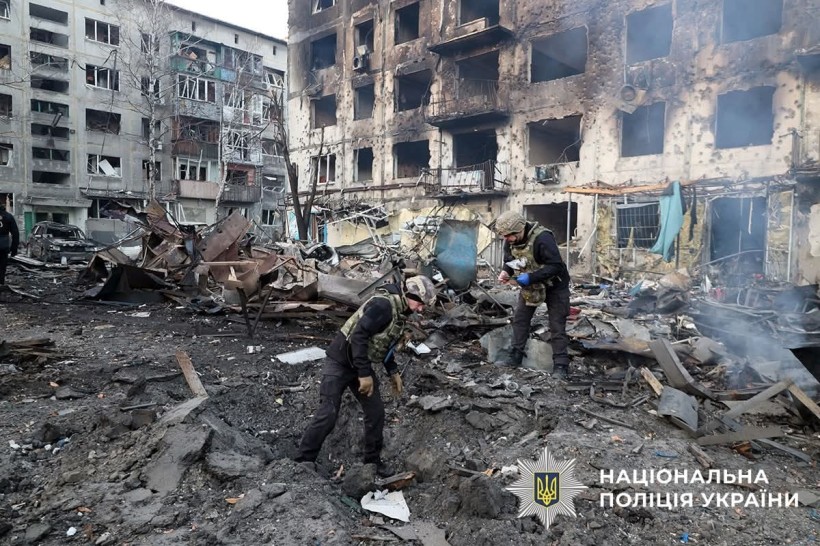
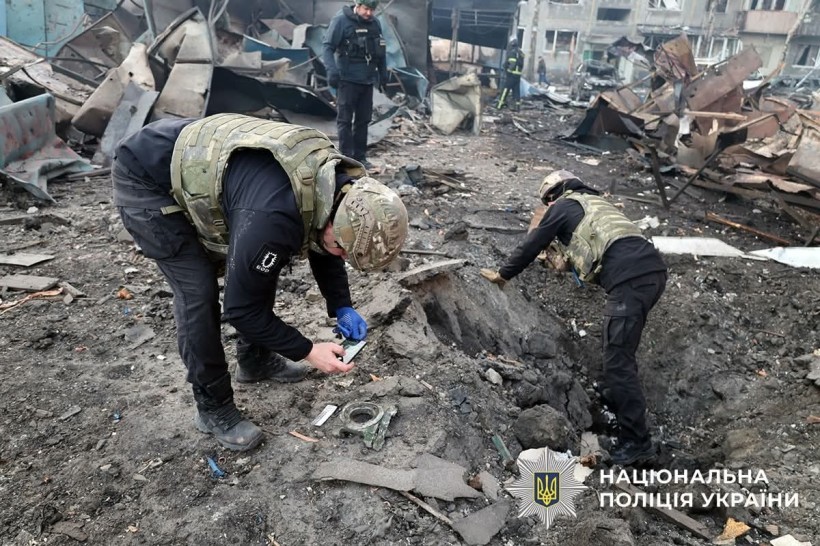
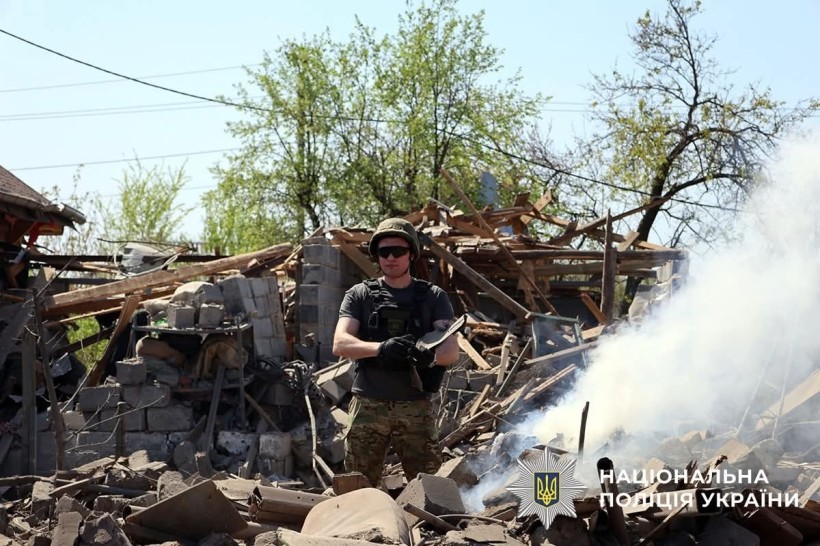
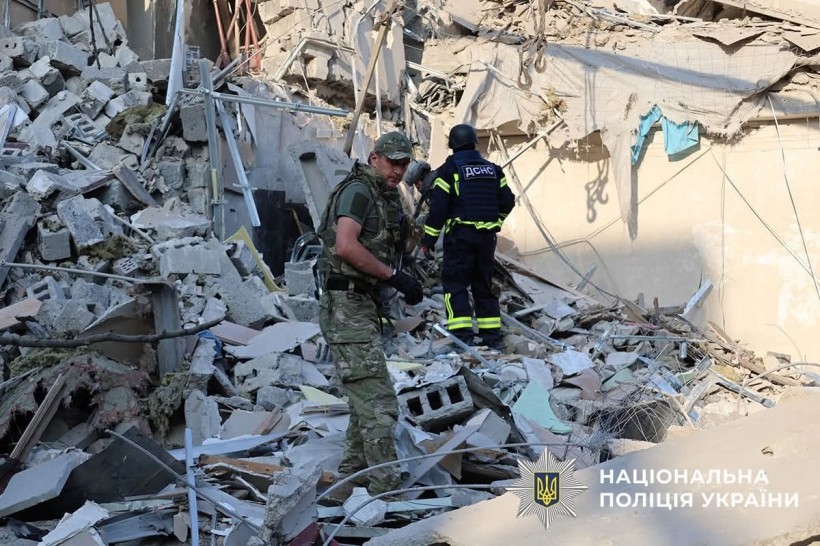
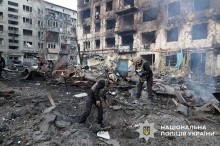
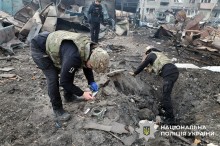
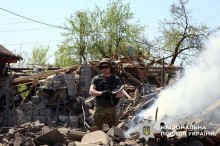
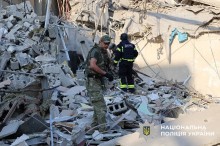
From aerial bombs weighing one and a half tons to the latest generation strike drones – everything that Russia uses to shell Donetsk is being defused by police explosives experts. The risk to life is double, as they have to carry out deadly dangerous work under fire. Today, these brave individuals celebrate a professional holiday – the 30th anniversary of the creation of the explosive service of the Ministry of Internal Affairs of Ukraine.
Since the beginning of 2025, the police explosives experts in Donetsk have made nearly 1600 combat sorties, confiscating and neutralizing about 1000 dangerous munitions.
They collect evidence of Russian crimes – shell fragments – from rubble and huge craters, from roofs and other hard-to-reach places, for example, from damaged cars. Every second there is a risk of repeated strikes. Drones that hunt police officers have become a particular threat. But under any circumstances, the explosives expert maintains a cool head and concentration.
“An explosives expert is someone whose will prevails over fear. To save lives, we cannot afford to make mistakes,” said Serhiy Nesterov, head of the Explosive Technical Service of the National Police in Donetsk region.
Employees of the explosive service are also part of the police shooting battalion in Donetsk. Unfortunately, there have been losses. While defending Ukraine at the front, two soldier-explosives experts were killed.
With vast experience in war, the unit continues to develop. This year, police officers underwent training in demining improvised explosive devices in Estonia. This area is very relevant, considering the attempts by Russian special services to recruit bombers and train them to make "homemade" bombs.
Based on materials from the Main Directorate of the National Police in Donetsk region