

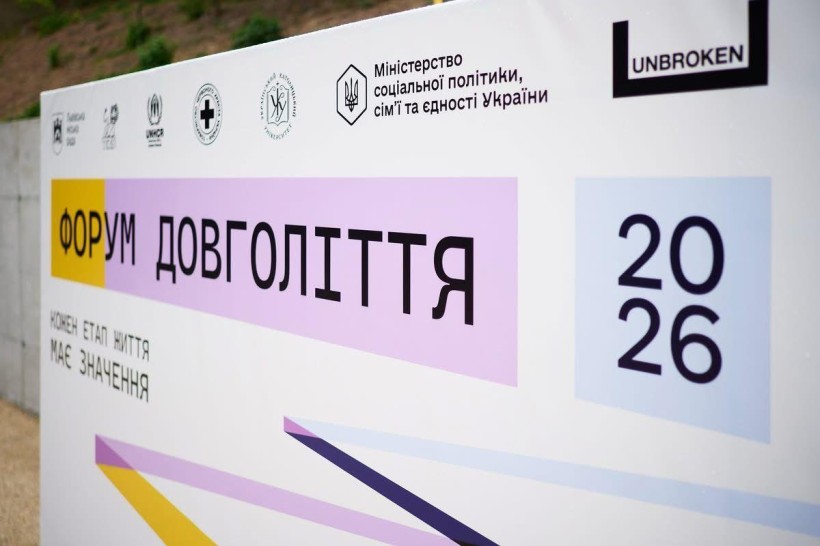
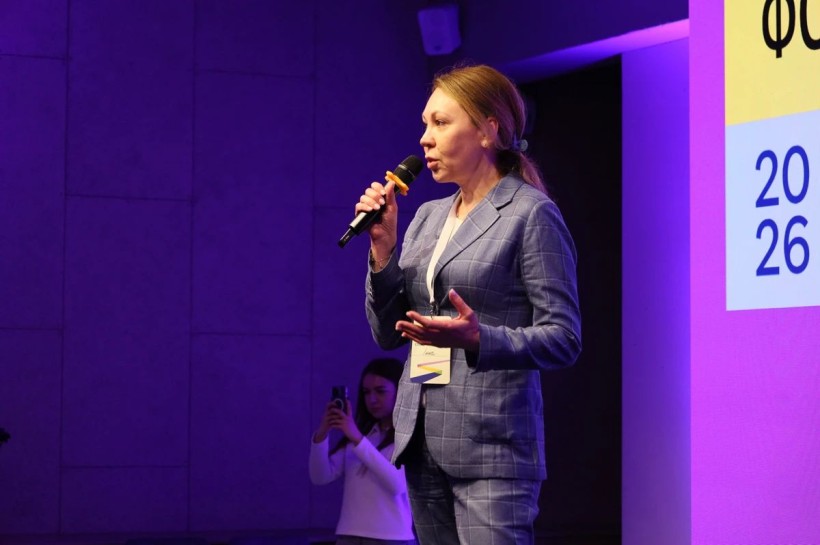
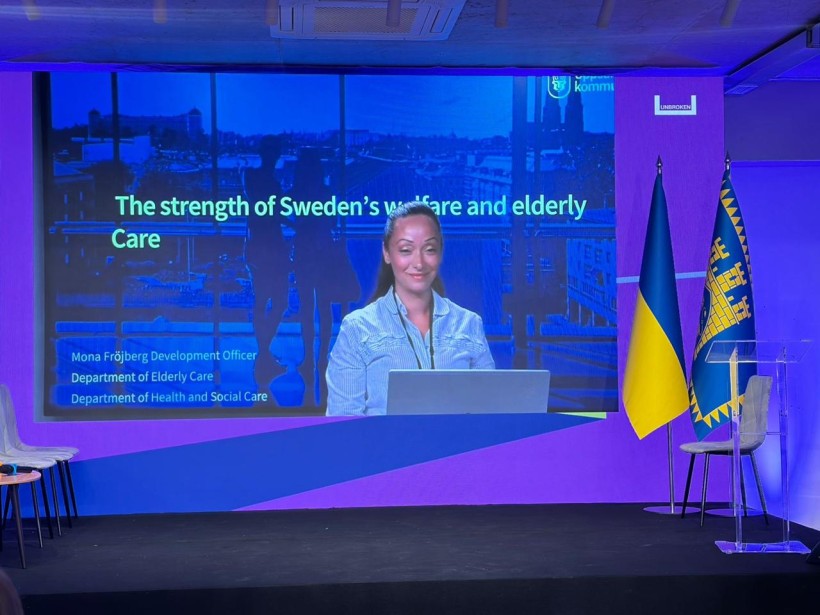
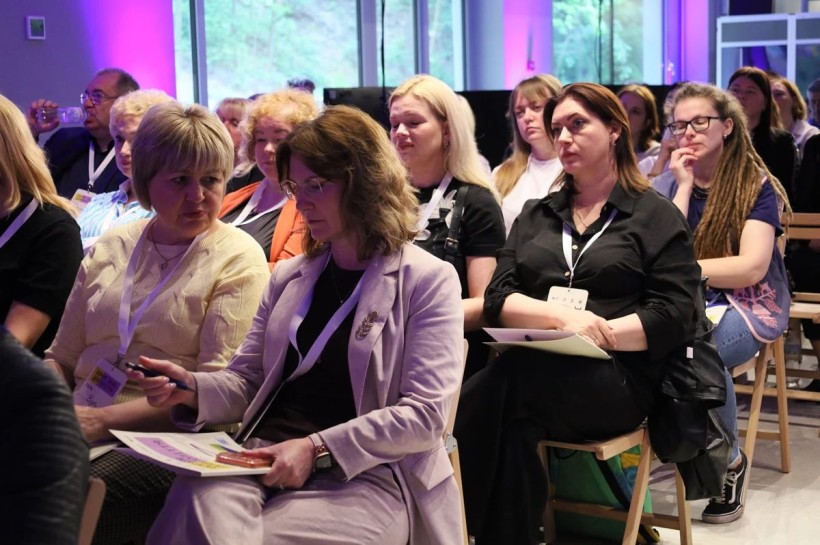

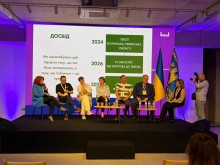
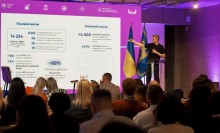

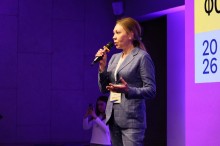
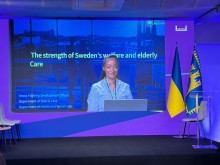
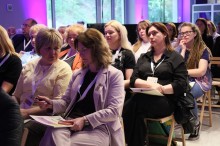
The forum “Dignified Aging: Creating a Space of Care,” dedicated to the development of a modern system of care for the elderly, took place in Lviv. Representatives of the Donetsk Regional State Administration joined the discussion to integrate best European practices into the development of social services in our region.
The event was organized by the Lviv City Council and the Ukrainian Catholic University (UCU) with the support of the UN Refugee Agency in Ukraine (UNHCR Ukraine), the Red Cross Society, and the UNBROKEN Ukraine National Rehabilitation Center.
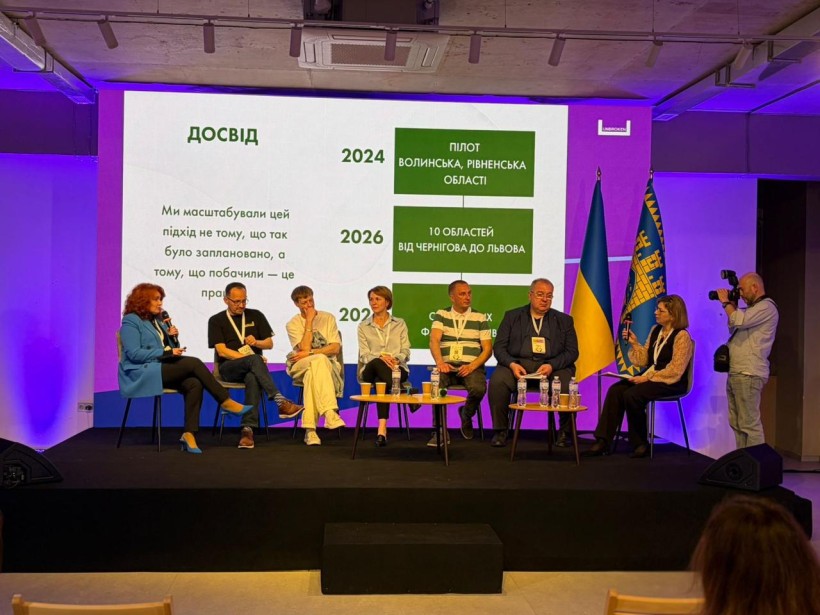
Natalia Pirogova, Deputy Director of the Department of Social Protection of the Population, represented the Donetsk Regional State Administration at the forum. The event brought together representatives from the Ministry of Social Policy, Family, and Unity of Ukraine, the National Social Service of Ukraine, local governments, international organizations, and the civil society sector.
The main topic of discussion was the transition from outdated care models to the creation of “caring communities.” Participants focused on integrating medical, social, and palliative care.
“Policies on aging cannot be drafted solely in offices. We need to talk to the people who work on the ground every day and see the real needs of the older generation. Today, it is important not only to support people but to create conditions so that they remain active, can learn, and be part of community life,” emphasized Inna Solodka, Deputy Minister of Social Policy, Family, and Unity of Ukraine.
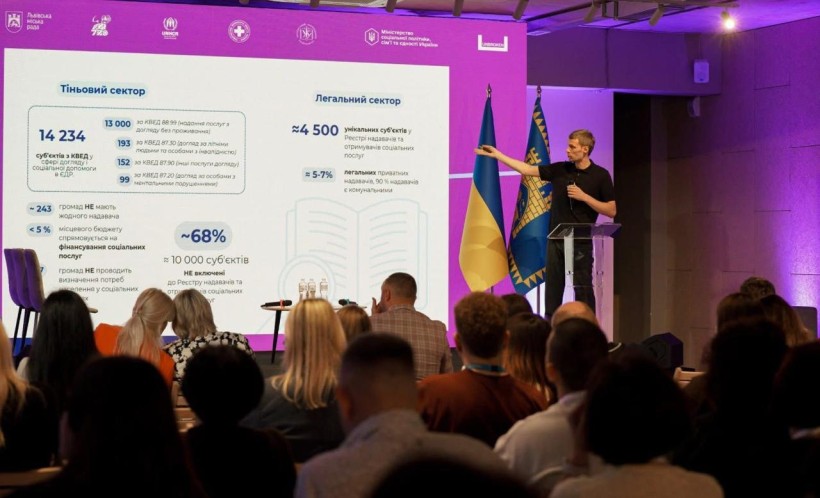
One of the most pressing issues at the forum was quality control of social service providers. Acting Head of the National Social Service of Ukraine Ihor Ilchenko cited alarming statistics: currently, 68% of entities providing social services are still not included in the state Register of Social Service Providers and Recipients. The lack of registration often leads to inadequate care or even tragedies. According to the leadership of the NSSSU, a regulatory framework is currently being developed to increase the accountability of service providers and bring them out of the “shadows.”
Forum participants were presented with success stories, including Lviv’s experience in establishing supported living facilities for people with disabilities and the elderly. In these facilities, residents receive: free round-the-clock assistance; high-quality meals; and support with daily living, all while maintaining a sense of home rather than a hospital.
The forum also featured European examples of long-term geriatric care and the creation of appropriate spaces, including architectural solutions, specifically the systems in Iceland, Sweden, and France.
These examples served as a guide for how the system should be built around human dignity and individual needs, including those of older adults and people with limited mobility.
Following the forum, a package of proposals was formulated regarding the development of a unified nationwide support system; the funding of social services based on the “money follows the person” principle; and the creation of a barrier-free environment in every community.