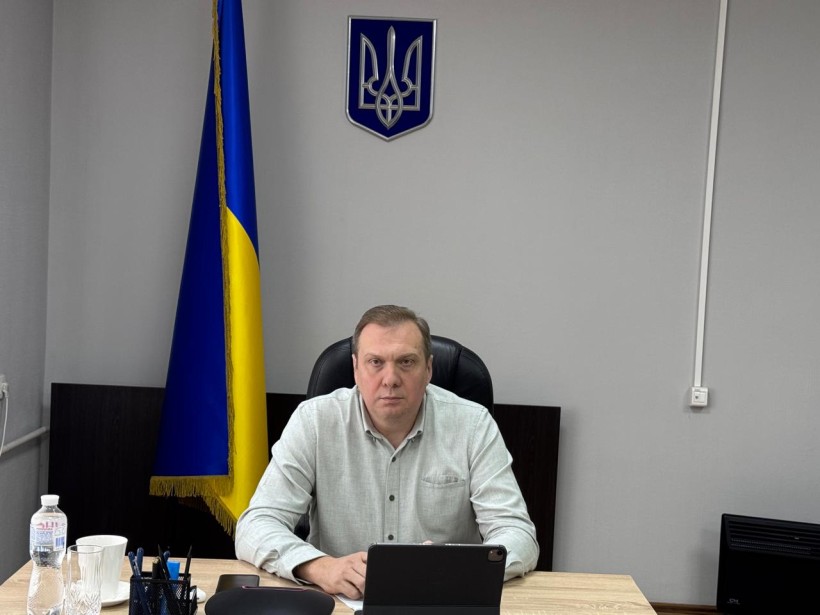
On March 25, 2026, Deputy Head of the Regional State Administration Oleksandr Shevchenko participated in an online meeting of the Verkhovna Rada of Ukraine’s Temporary Investigative Commission on the investigation of possible violations of children’s rights in the formulation and implementation of state policy regarding the protection of children’s rights, social support for families with children, and the development of family-based care and adoption.
The agenda included the issue “On the status of ensuring children’s rights during the transformation of children’s homes.”
The following topics were discussed at the meeting:
- facts of possible violations of children’s rights during the implementation of measures to transform children’s homes;
- cases where children were not removed from dangerous families, leading to their deaths;
- the placement and care of children in hospitals without medical justification;
- the forced return of children who had been placed in children’s homes to biological families unable to provide them with adequate conditions and care;
- violations of the rights of children evacuated abroad;
- non-transparent and potentially inappropriate use of buildings belonging to closed or reorganized children’s homes;
- investigating the reasons why local officials perceive the process of transforming children’s homes as a ban (moratorium) on placing children who are without parental care and in need of social protection into these facilities.
In the Donetsk region, a facility for children from birth to age 4 and children with disabilities up to age 7, which is funded by the regional budget, was relocated to the Chernivtsi region as a result of Russia’s military aggression.
In 2025, four children were placed in the facility; in 2026, two children were placed; and in the near future, there are plans to place two more newborns who were abandoned by their parents in maternity hospitals. During the same period, 8 children left family-based care: one child was adopted, five children were placed under guardianship, and two children were placed in family-type children’s homes.
The Regional State Administration is continuously working to protect the rights and legitimate interests of children who have been separated from their families and require special attention from the state.