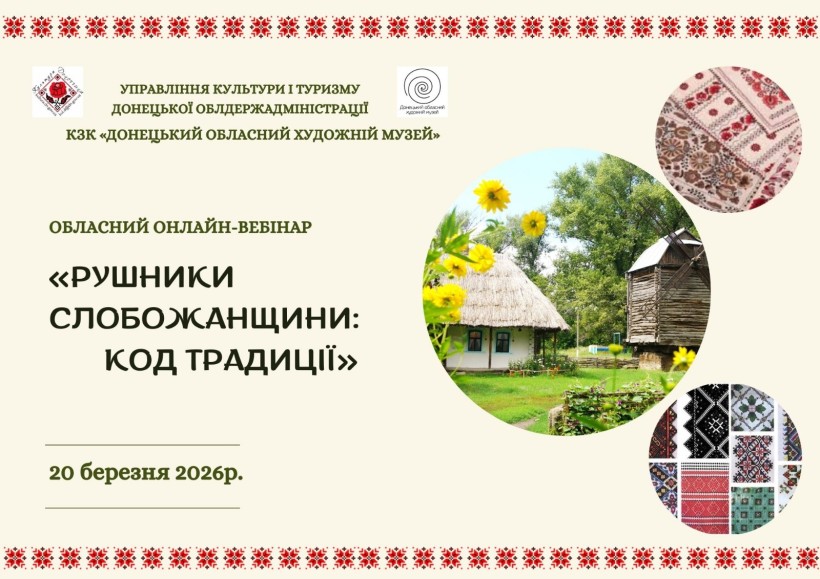
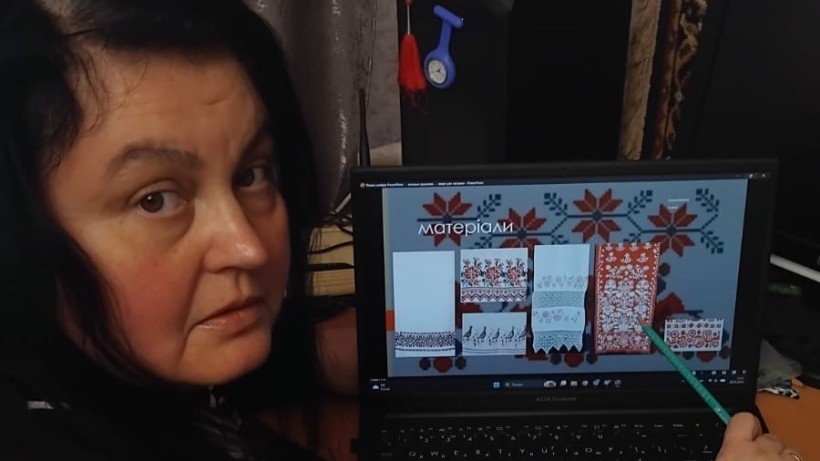
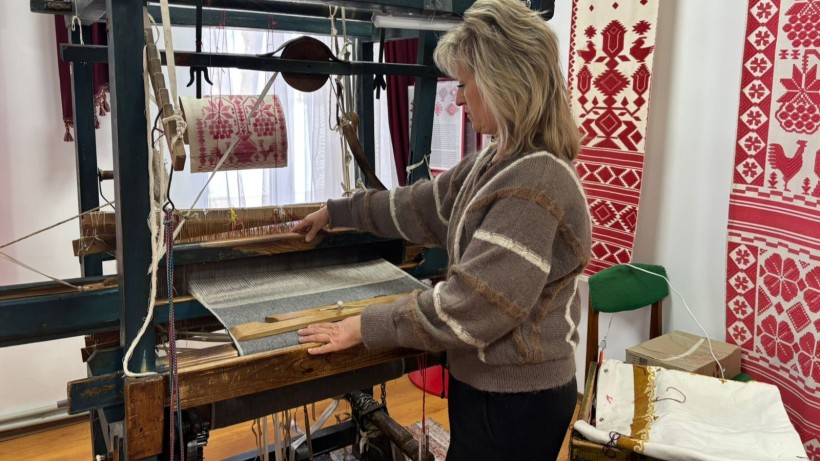
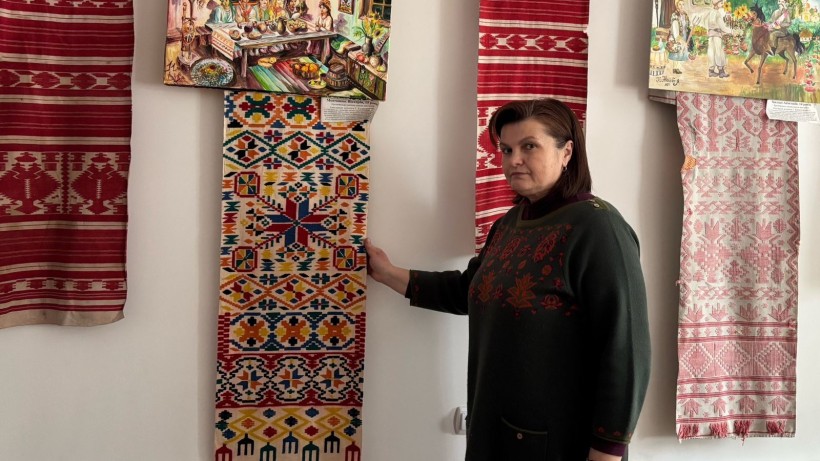
The Donetsk Regional Art Museum held a regional webinar titled “Towels of Slobozhanshchyna: The Code of Tradition,” which brought together museum staff, scholars, educators, cultural workers, folk art masters, and everyone concerned with preserving and understanding Ukraine’s cultural heritage. The event served as a shared platform for dialogue to deepen understanding of the traditions embedded in the symbolism of the Ukrainian towel.
The current context lends particular relevance to the event’s theme: in the midst of war, intangible cultural heritage emerges as a vital factor in preserving national identity and spiritual resilience. The towel, as a sacred object and a bearer of family memory, is one of the key symbols of Ukrainian culture that unites generations.
During the webinar, a series of in-depth presentations were delivered, dedicated to the study of the towel-making tradition of Sloboda Ukraine in the modern territories of the Kharkiv, Sumy, and parts of the Luhansk and Donetsk regions.
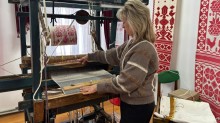
Olga Lysenko (M.F. Sumtsov Kharkiv Historical Museum) revealed the secrets of the semantics of ornamental symbols on wedding rushnyks based on materials from the museum’s collection. Representatives of the Krolevets Weaving Museum—Viktoria Shprindel and Iryna Puryga—presented the historical and ethnographic features of Krolevets overcast weaving as a unique phenomenon of Ukrainian traditional culture.
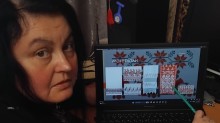
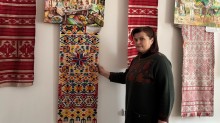
Iryna Dyachuk, director of the Luhansk Regional Center for Folk Art, spoke about the distinctiveness of Luhansk region’s rushnyk ornaments. In her presentation, Olga Palenaya (Museum of the History of the City of Kramatorsk) highlighted the European sources that shaped the local traditions of Kramatorsk embroidery. During the webinar, participants were also shown unique examples of rushnyks from the museum’s collections.
The event concluded with a panel discussion, during which participants addressed current challenges in preserving and passing on the towel-making tradition, explored opportunities for reinterpreting it within the contemporary cultural landscape as one of the key cultural codes of Sloboda Ukraine, and discussed prospects for developing inter-institutional cooperation.