On August 24, 1991, the Supreme Council of the Ukrainian SSR adopted the Act of Declaration of Independence. The document served as legal confirmation that Ukraine is an independent democratic state. A few months later, on December 1, millions of people voted to ratify this decision in a referendum. Since then, August 24 has been Ukraine’s official Independence Day, and since 1992, this date has been enshrined in law as the nation’s main public holiday. It is the day when the country officially regained the right to live its own life after long centuries of foreign rule. In 2026, we will celebrate the 35th anniversary of that fateful date. On the occasion of this national holiday, let’s take a look back at how Ukrainians have celebrated Independence Day over the years.
The outbreak of the War for Ukraine’s Independence forever changed the perception of Ukraine’s Independence Day. This day ceased to be merely a date on the calendar.
August 24, 2014, became one of the most dramatic Independence Days in Ukraine’s modern history. While soldiers marched down Kyiv’s main street and military vehicles rolled by—vehicles that would head straight to the front lines immediately after the parade—fierce battles for Ilovaisk were raging in the Donetsk region. Since then, the holiday has taken on a profound, and at times poignant, meaning, and every step of the parade has evoked both tears and pride among the spectators.
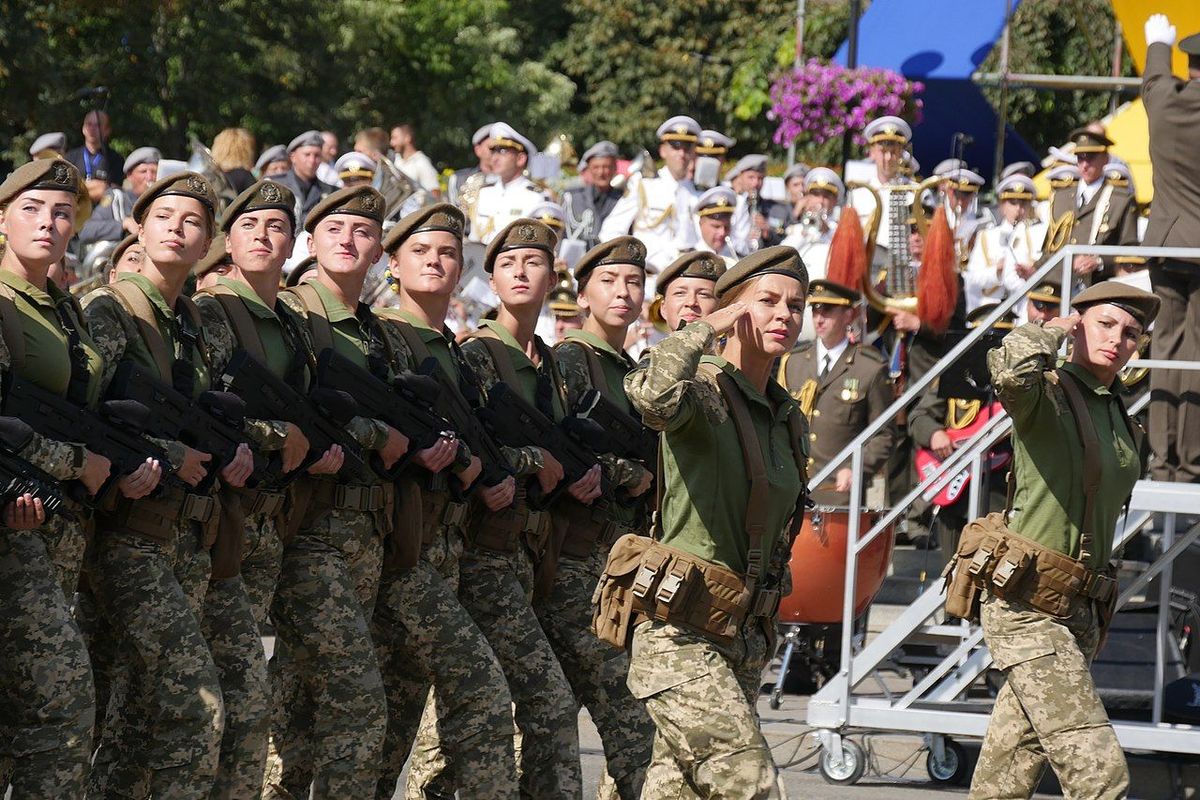
Female service members took part in a military parade for the first time Kyiv, 2018
Polish President Andrzej Duda was invited to the celebrations marking the 25th anniversary of Ukraine’s independence in 2016. More than 4,000 military personnel and 200 pieces of military equipment marched down Khreshchatyk. Ukrainian soldiers unveiled their newly designed military uniforms for the first time. A Lithuanian-Polish-Ukrainian brigade took part in the parade.
In 2018, female service members and military chaplains participated in the military parade for the first time. At the same time, the number of partner countries participating in the parade increased to 18. It was in 2018 that the military began using the updated military salute during the parade: “Glory to Ukraine!” – “Glory to the Heroes!”
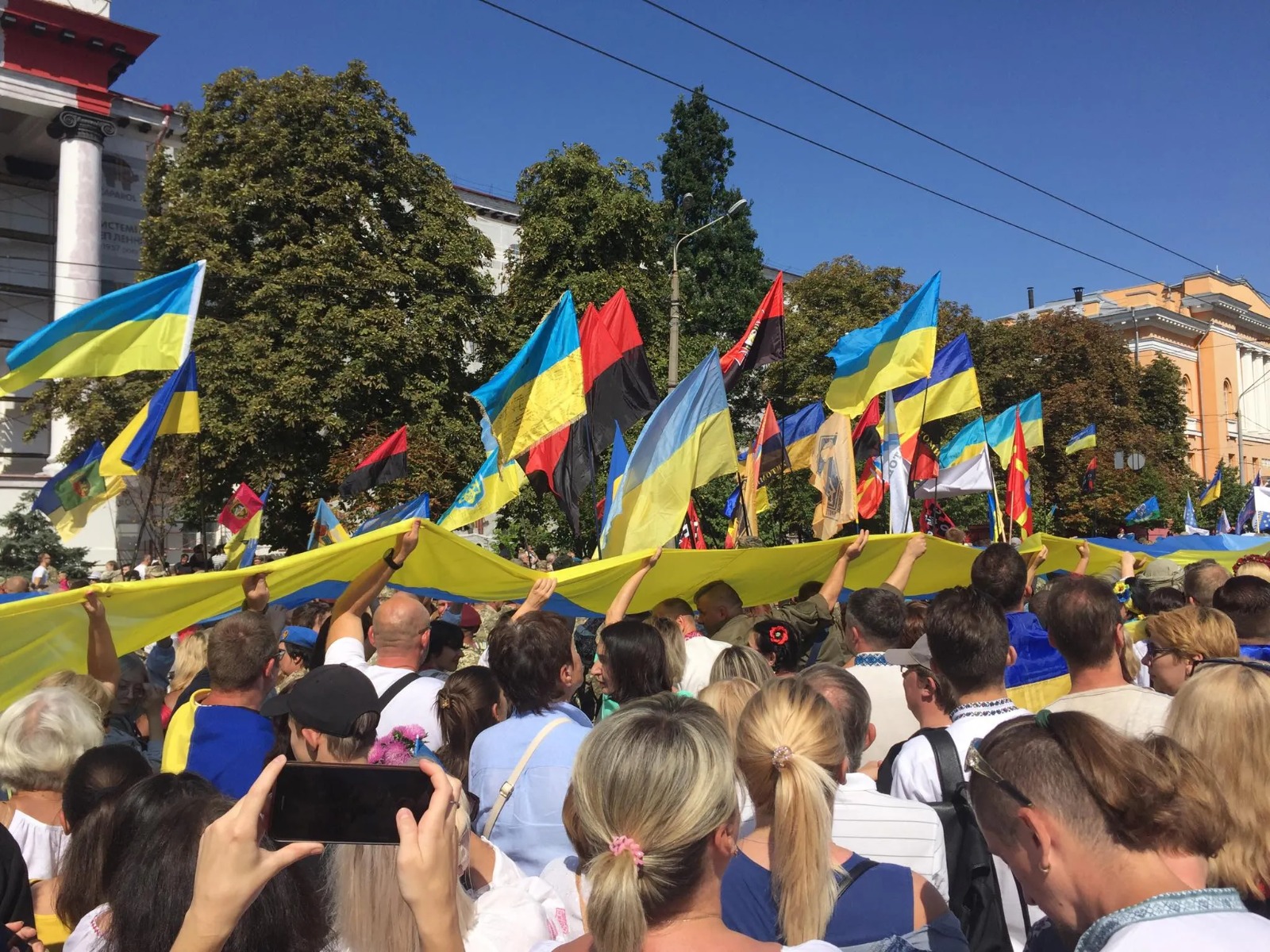
March of the Defenders of Ukraine, Kyiv, 2018. Photo by Ulyana Verstyuk
In 2019, when the official military parade was canceled, veterans, volunteers, and the families of fallen soldiers organized their own March of the Defenders of Ukraine, which drew tens of thousands of participants. Representatives from all regions of Ukraine took part in the march. It demonstrated the unity of civil society and became part of the annual celebrations.
The 30th anniversary of the restoration of Ukraine’s independence in 2021 was celebrated under the slogan “You Are My Only One.” A large-scale parade took place on Khreshchatyk, and the restored “Mriya” once again flew over Kyiv.
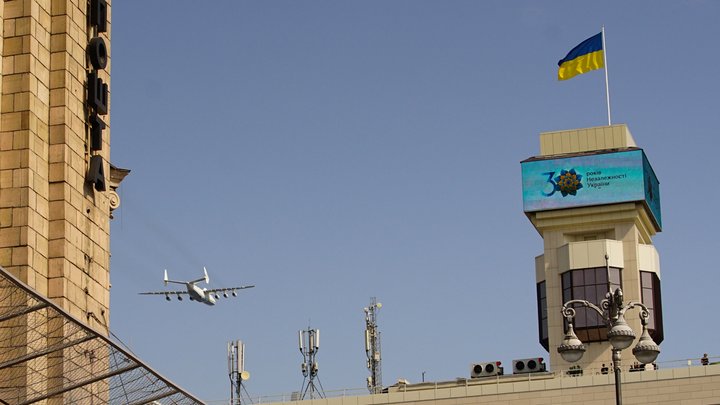
AN "Mriya" flies over Khreshchatyk. Kyiv, 2021. Photo: Yelyzaveta Servatynska / Suspilne
Starting in 2022, due to the constant threat of rocket attacks and security restrictions under martial law, all large public gatherings and concerts in city squares were canceled. Instead of festive parades, Khreshchatyk witnessed a “parade” of destroyed and burned Russian armored vehicles, which became a symbol of the resilience of the Ukrainian army and people.
Between 2014 and 2021, in the part of Donetsk Oblast controlled by Ukraine, Independence Day took on a special, nation-building, and patriotic significance, transforming from a formal holiday into a symbol of resistance to Russian aggression.
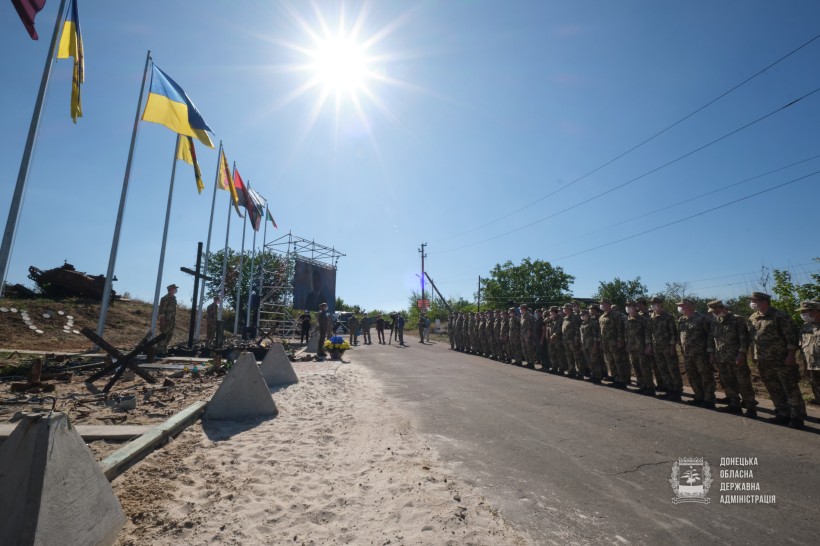
Honoring the memory of servicemen who died in the War of Independence. Avdiivka, 2020
Traditionally, on this day, people honor the memory of the servicemen who died in Ukraine’s War of Independence.
The cities of Kramatorsk and Mariupol became the centers of large-scale celebrations of Ukraine’s Independence Day. Large-scale marches took place there, in which representatives of the Anti-Terrorist Operation—and later, the Joint Forces Operation—always participated.
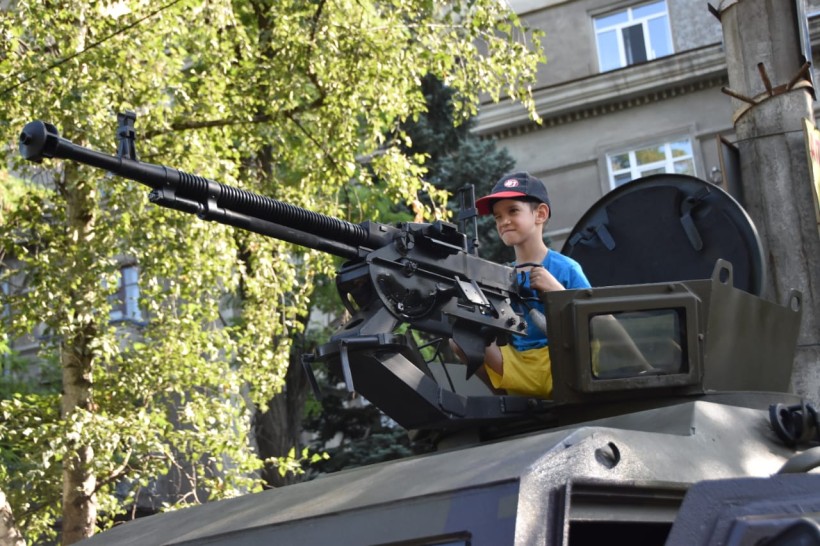
Military Equipment Exhibition. Kramatorsk, 2019
To mark Ukraine’s Independence Day, the city hosted military equipment exhibitions, large-scale fairs, presentations of works by Donetsk Oblast artisans specializing in decorative and applied arts, historical exhibits on nation-building, and performances by popular Ukrainian artists.
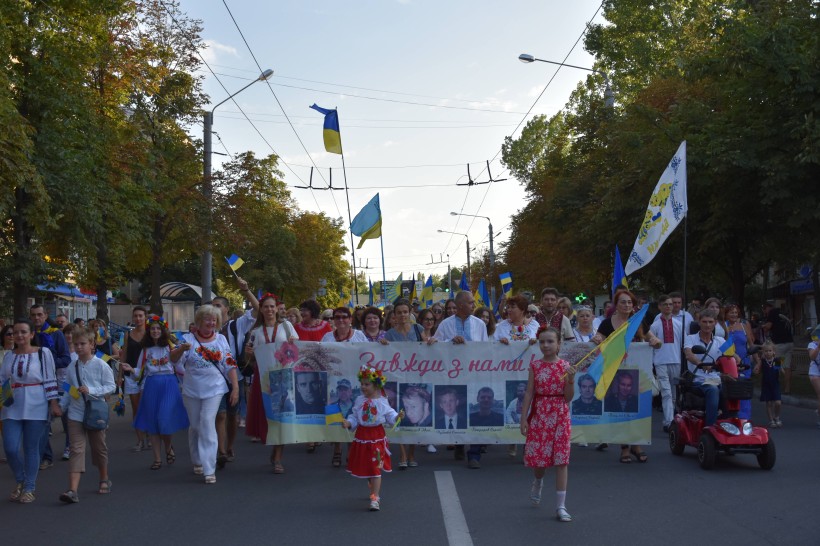
Independence Day Parade in Kramatorsk, 2019
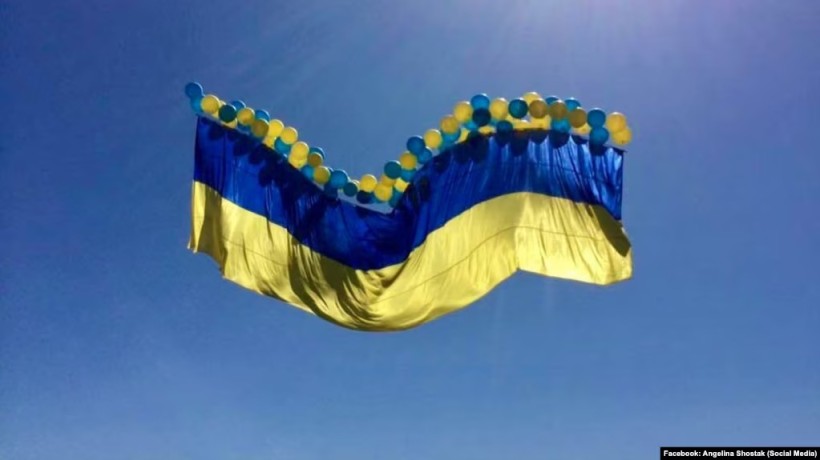
It has also become a tradition in recent years for volunteers to release huge blue-and-yellow flags attached to balloons from Avdiivka, Maryinka, or Svitlodarsk toward occupied Donetsk. The wind often carried the flags straight into the center of Donetsk.
Russia’s full-scale invasion changed the form of the holiday but did not break its essence. Today, Independence Day in the Donetsk region is a day of quiet courage and guerrilla actions.
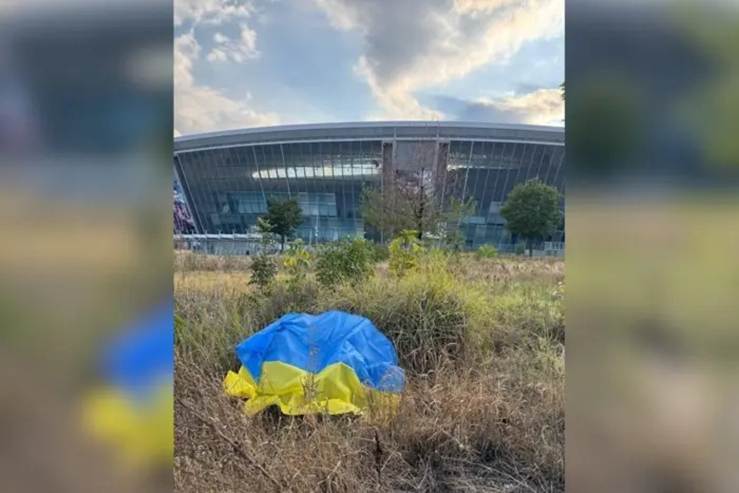
The Ukrainian flag in temporarily occupied Donetsk, 2025
In the occupied cities of Mariupol, Volnovakha, and Donetsk, activists from the “Yellow Ribbon” movement carry out daring operations every year on August 24: they paint Ukrainian symbols, post flyers, and secretly raise blue-and-yellow ribbons, reminding everyone that the Donetsk region is waiting to return home.