Traditional cuisine preserves a people’s historical memory and reflects their worldview, customs and the distinctive features of their cultural development. Through recipes passed down from generation to generation, Ukrainians maintain a connection with their roots and their homeland. In the context of war, culinary heritage takes on special significance as a key factor in preserving national identity and cultural unity.
On 9 June, the first online meeting of the National Heritage Protection Network, ‘The Taste of Identity: Traditional Cuisine as Part of the Cultural Code’, took place, bringing together researchers, experts in the field of intangible cultural heritage, tradition bearers and community representatives from various regions of Ukraine.
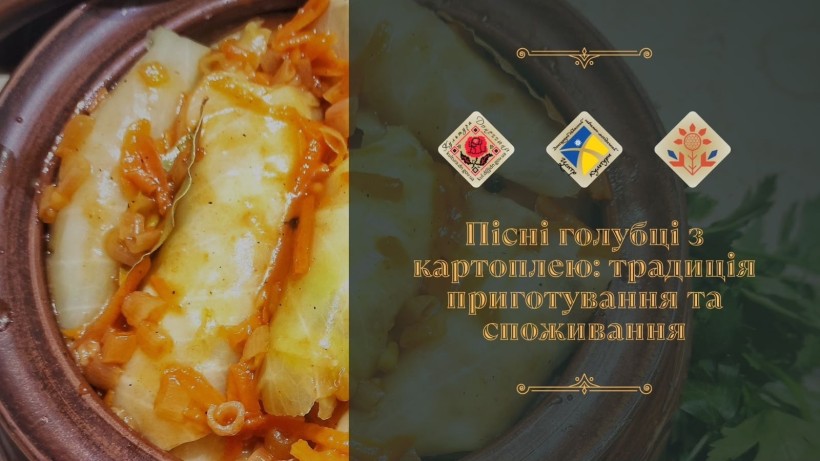
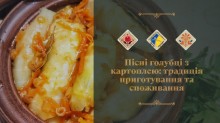
The event was joined by experts from the Donetsk Regional Educational and Methodological Centre for Culture, who presented unique elements of the Donetsk region’s culinary heritage. Lyudmyla Savchenko, a methodologist at the Centre, presented the element ‘Stuffed cabbage rolls with potatoes: a tradition of preparation and consumption’, highlighting the history of the dish, the characteristics of its use, and its significance for promoting the region’s gastronomic heritage.
Other authentic culinary traditions of the Donetsk region were also presented during the meeting: ‘Avdiivka “honourable” porridge’, the tradition of preparing ‘zatirka’ in the village of Kryva Luka, and wedding millet porridge from the village of Andriivka-Klevtsove. Participants also learned about the element ‘Preparation of the ceremonial drink “Varena” in the village of Boromlia’ in the Sumy region, which became an important component of interregional exchange of experience in the field of preserving intangible cultural heritage.
The culinary traditions presented during the meeting once again demonstrated that gastronomic heritage is an important part of Ukraine’s cultural identity. Traditional dishes and ceremonial recipes preserve the knowledge of our ancestors, local characteristics and the historical memory of communities, whilst their study and promotion help to strengthen national unity and preserve intangible cultural heritage for future generations.
Such initiatives help not only to preserve the unique traditions of different regions, but also to shape a shared cultural space in Ukraine, where every element of heritage is an integral part of our national history and identity.