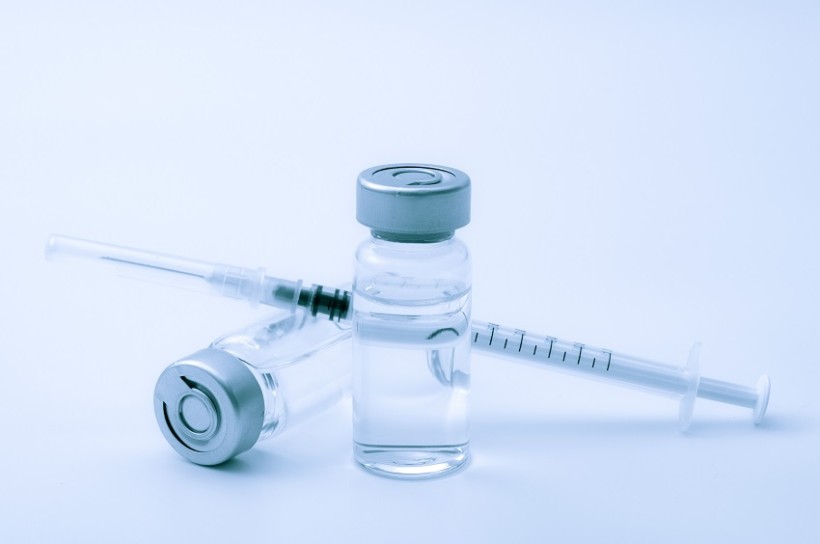
When people come in for a vaccination, they usually think about the vaccine’s name, protection against the disease, and possible side effects after immunization. But there is another very important factor that is rarely discussed outside professional circles: the cold chain. It is the cold chain that ensures the quality of vaccines is maintained from the moment of production, through transportation, until administration to the patient. The WHO defines the cold chain as a system for storing and transporting vaccines under proper temperature conditions, as their effectiveness depends on this.
If a vaccine is stored improperly, it can lose its properties. This means that even a vaccination may not provide the full expected protection. That is why, for immunization programs, it is not only the availability of vaccines and adherence to the schedule that matter, but also strict temperature control at every stage. The WHO also emphasizes the importance of temperature monitoring and specialized equipment for the storage and transport of vaccines.
For the patient, the cold chain is almost imperceptible, but for the healthcare system, it is one of the basic conditions for successful immunoprophylaxis. Refrigeration equipment, thermal containers, temperature control, and adherence to procedures are not a formality but a part of the safety of every dose. There are vaccines for which the WHO permits special controlled temperature chain protocols, but only under clearly defined conditions and only when required by regulatory standards for a specific vaccine.
Vaccines are typically transported and stored at temperatures between +2 and +8 °C, and this temperature range is maintained using specialized refrigeration equipment. Temperature loggers are used for continuous monitoring, and temperature readings are checked and recorded twice daily, allowing for the timely detection of any deviations. Vaccines are delivered to the region from the national warehouse in a special refrigerated truck that maintains the necessary conditions during transport. The Regional Center for Public Health also has its own refrigerated truck for the safe transport and distribution of vaccines. Additionally, healthcare facilities are equipped with generators, allowing them to maintain the proper temperature even in the event of power outages.
When we talk about trust in vaccinations, it’s important to remember: protection doesn’t begin at the moment of the injection, but much earlier—with proper vaccine storage. That’s why the cold chain can be called the invisible foundation of effective immunization. If this system works reliably, people receive a high-quality vaccine, and the community gains stronger protection against infections.
You can check vaccine availability at medical facilities in the Donetsk region on the official website of the State Institution “Donetsk Regional Center for Public Health of the Ministry of Health” at the following link: State Institution “Donetsk Regional Center for Public Health of the Ministry of Health” https://dn.cdc.gov.ua/citizens/vaccination/
State Institution “DONETSK REGIONAL CENTER FOR PHARMACEUTICAL AND MEDICAL SUPPLIES OF THE MINISTRY OF HEALTH”