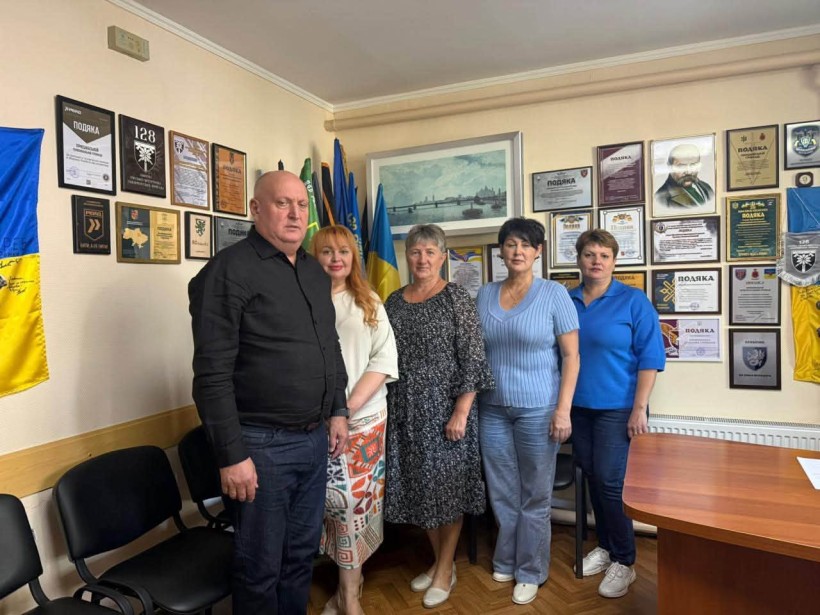




Representatives of the Kramatorsk District paid a working visit to the Pryshybska Territorial Community in the Kremenchuk District of Poltava Oblast.
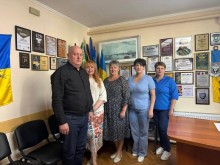
Viktoria Nabokova, head of the Kramatorsk District State Administration; Oleksandr Zhuravlev, head of the Lyman City Military Administration; and Olena Nikitina, head of the Andriivka Village Military Administration, met with Valentina Gorodyanko, head of the Pryshyb Village Council.
The visit served as a practical continuation of the cooperation between the Kramatorsk and Kremenchuk districts. Earlier, Viktoria Nabokova and Alexander Alenin, Head of the Kremenchuk District Military Administration, signed a Memorandum of Cooperation, which provides for the development of partnerships, the exchange of experience, and joint initiatives, particularly in the area of support for internally displaced persons.
Today, the Pryshybska community is home to about 3,000 residents, many of whom were forced to leave their homes due to the war. During the meeting, they discussed the residents’ needs, social and humanitarian support, work with children and youth, as well as opportunities for future joint projects.
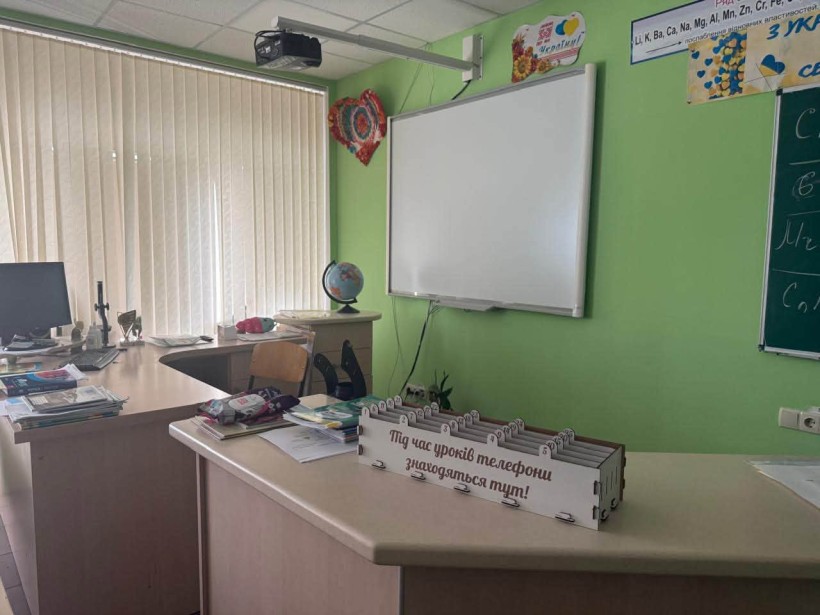
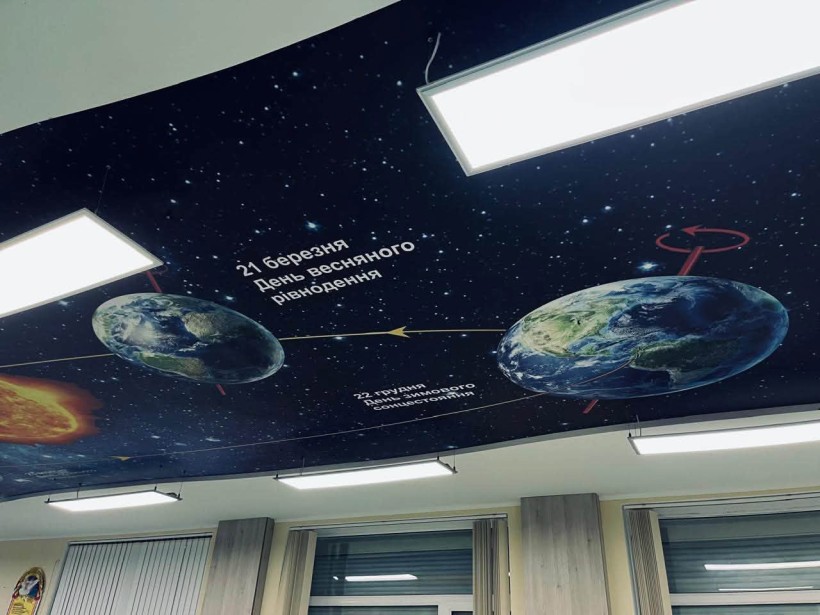
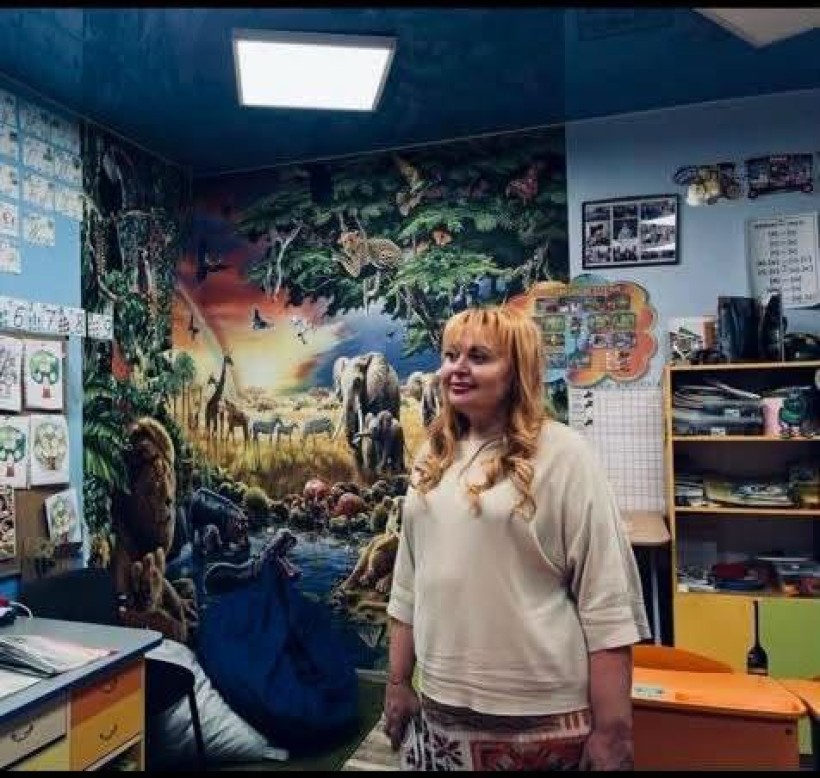
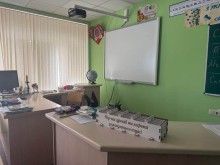
Representatives from the Kramatorsk District also visited community facilities and spoke with their staff. And here, the Donetsk region turned out to be very close at hand: among the specialists were a teacher from Mariupol and a youth worker from Druzhkivka.
“Behind every statistic on internally displaced persons are people—their stories, their experiences, and their desire to make a difference. Today we met our fellow Donetsk residents who have not only found refuge here but have become part of the community—working, teaching children, engaging with young people, and sharing their knowledge and experience. It is important for us not to lose touch with the people of Donetsk, no matter where they live today. It is through such partnerships that we can stay closer to our people, support them, and create new opportunities together,” noted Viktoria Nabokova.
Interregional partnership today is, above all, about people. It’s about supporting those who were forced to start a new life in a different place, about community collaboration, and about maintaining ties with the Donetsk region regardless of distance.
Based on materials from the Kramatorsk District State Administration