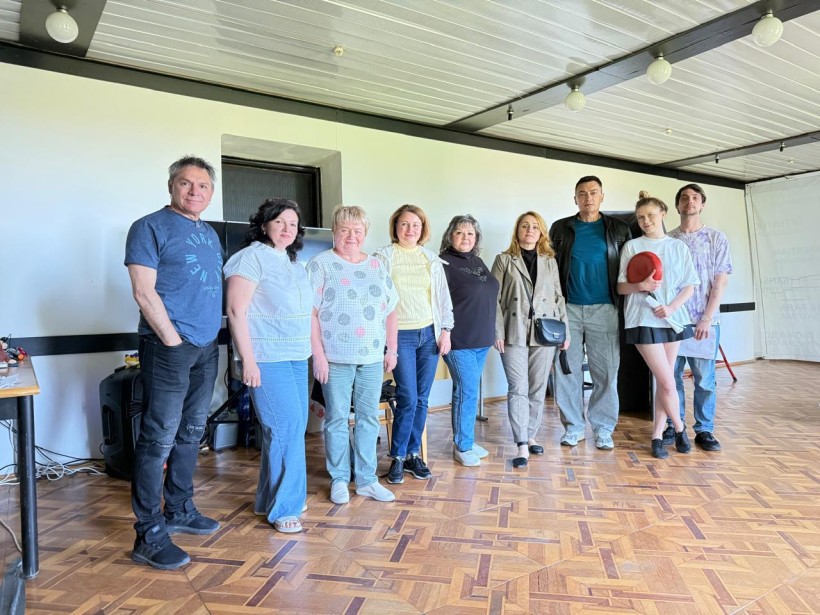
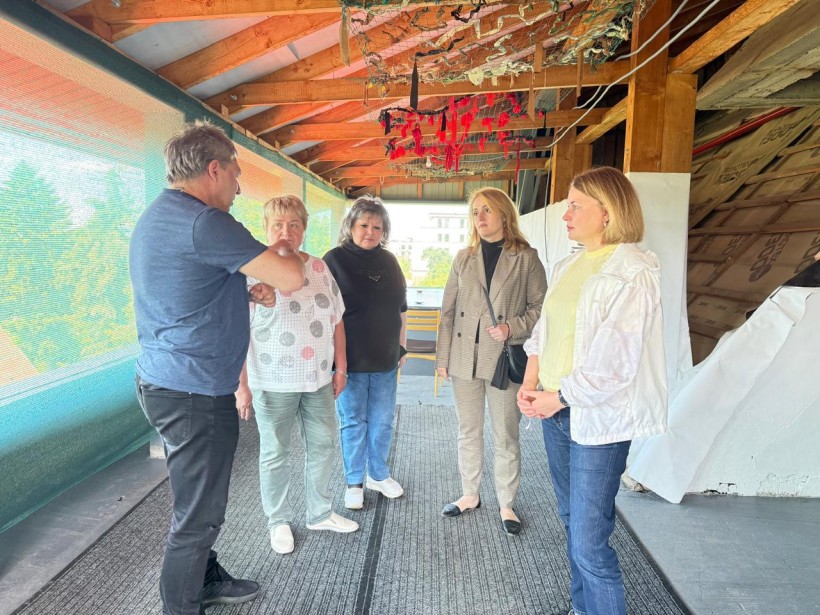


On June 20, the heads of departments and management of the social and humanitarian block of the Donetsk Regional State Administration visited the municipal institution "Donetsk Academic Regional Drama Theater (Mariupol)", which is currently operating in Uzhhorod.
The Mariupol Drama Theater is the only one of the five professional theaters in the Donetsk region that continued to operate in the territory of the region since the beginning of hostilities in 2014. However, in May 2022, after the horrific events in Mariupol, the institution was forced to relocate for the second time, finding its temporary home in the city of Uzhhorod in Transcarpathia.
The relocation became not only a challenge for the theater but also a push for renewal. The team preserved its creative integrity and continued its mission. Over the past three years, the theater has implemented 14 premiere productions.
Among the key areas of the theater's development are the preservation of local cultural identity, work on classical and contemporary Ukrainian and world works, the introduction of innovative approaches to theatrical art, and active participation in cultural diplomacy.
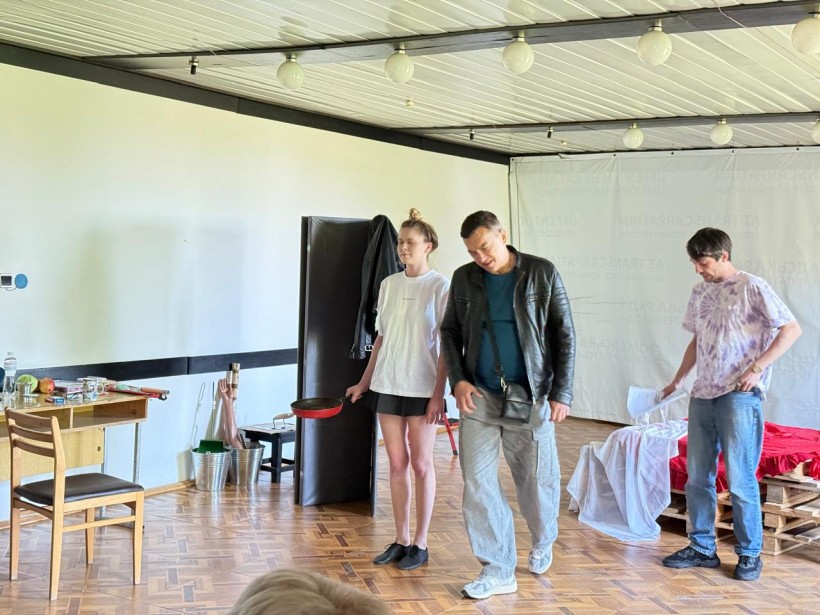
During the visit, the delegation had the opportunity to attend a rehearsal of the new performance "Night in Lisbon" based on the novel by Erich Maria Remarque, directed by Yuriy Odynokyi. In a live dialogue format with the team, problematic issues related to the institution's work under relocation conditions were discussed, and ways for further support were jointly identified.
This fall, the theater plans to present the storytelling "Mariupol Drama" to an international audience in the Netherlands, Belgium, Germany, Poland, the Czech Republic, and the Baltic countries. This will be another step towards making the world hear the voice of Mariupol — through art, truth, and emotion.
Such meetings are extremely valuable as they allow not only to identify the urgent needs of cultural institutions but also to jointly develop effective mechanisms for their further development and stable functioning in wartime conditions.