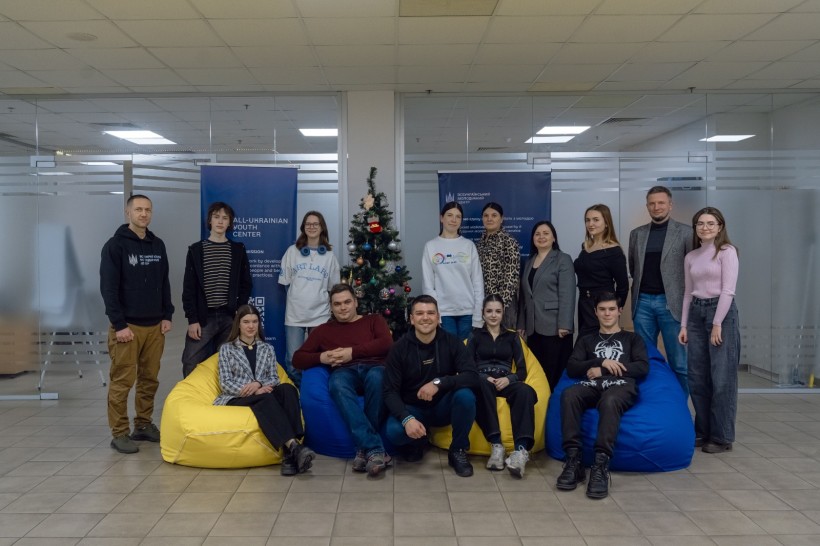
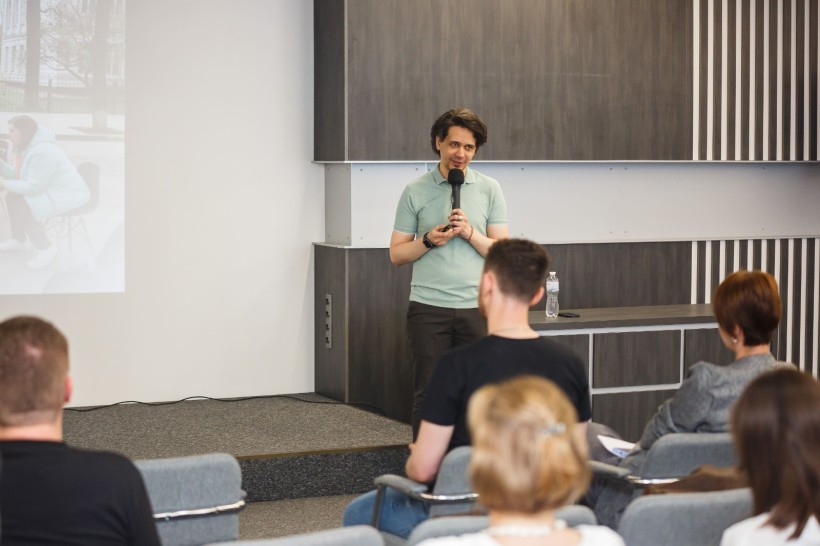
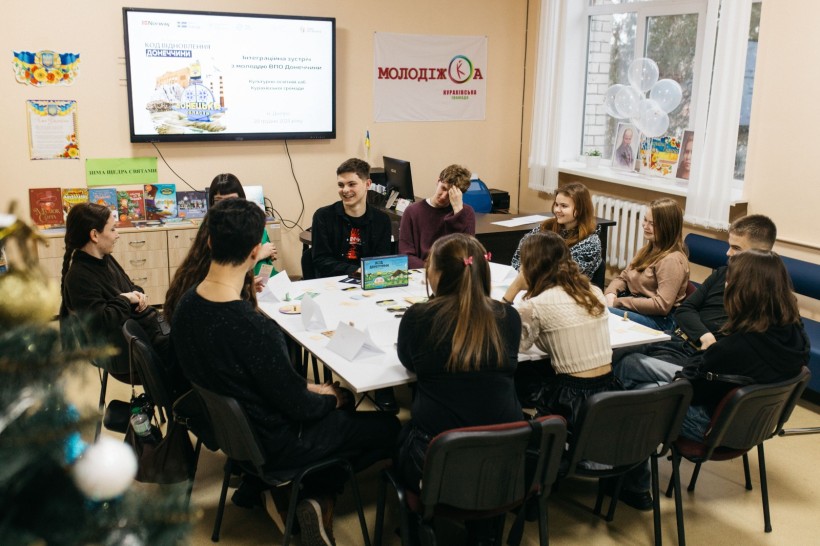
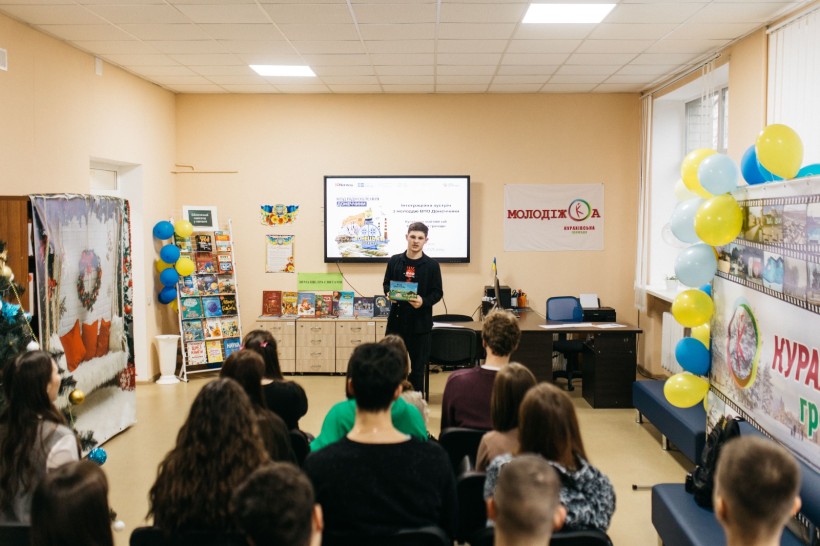
In late 2025, the Youth Council under the Regional State Administration, in collaboration with the NGO “New Druzhkivka,” launched an important project titled “Code of Recovery: The Youth Dimension of Donetsk Oblast,” which is part of the “Impulse” initiative implemented with the support of the International Renaissance Foundation.
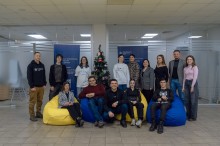
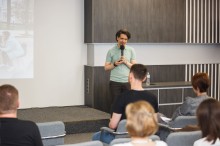
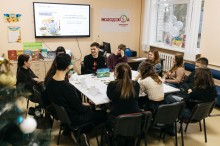
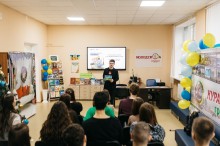
Throughout November and December, young people in five different cities across Ukraine developed their vision for development and recovery. Informal meetings were held in Kryvyi Rih, Dnipro, Poltava, Kropyvnytskyi, and Kyiv with young people who have been living outside their home region for several years.
“The project emerged in response to the need to bring together IDP youth from Donetsk Oblast who are currently forced to live outside the region. At the same time, we wanted to provide tools for real influence on the processes of shaping local strategies and policies in their home communities, particularly those focused on recovery,” noted project leader and head of the “Nova Druzhkivka” civic organization, Serhiy Pronkin.
According to him, numerous studies reveal the same pattern: young people want to influence decisions but often do not understand how the local self-government system works from the inside, or where they fit into it at all. That is why the project works in two directions simultaneously:
- educational, where IDP youth from Donetsk Oblast learn about the specifics of local self-government, project management, and leadership;
- advocacy, during which an Action Plan is being developed to involve youth in the early recovery of communities in Donetsk Oblast.
As part of the project, in January and February, the “New Druzhkivka” team conducted in-depth interviews with experts who work daily on youth policy in the region. They represented three professional fields: government, the civil society sector, and education.
Based on the results of the study, it can be concluded that the youth of Donetsk Oblast have undergone an internal shift from the romantic rhetoric of reconstruction to harsh pragmatism. They will not return just to lay bricks in ghost towns; instead, they demand the creation of an ecosystem of safety, dignity, and the opportunity to influence their own future.
The collected data will not gather dust in an archive box. The next step is to create a practical document for the communities of Donetsk Oblast. The research findings will serve as the basis for developing an Action Plan to engage IDP youth in the region’s early recovery.
Learn more about the research here.