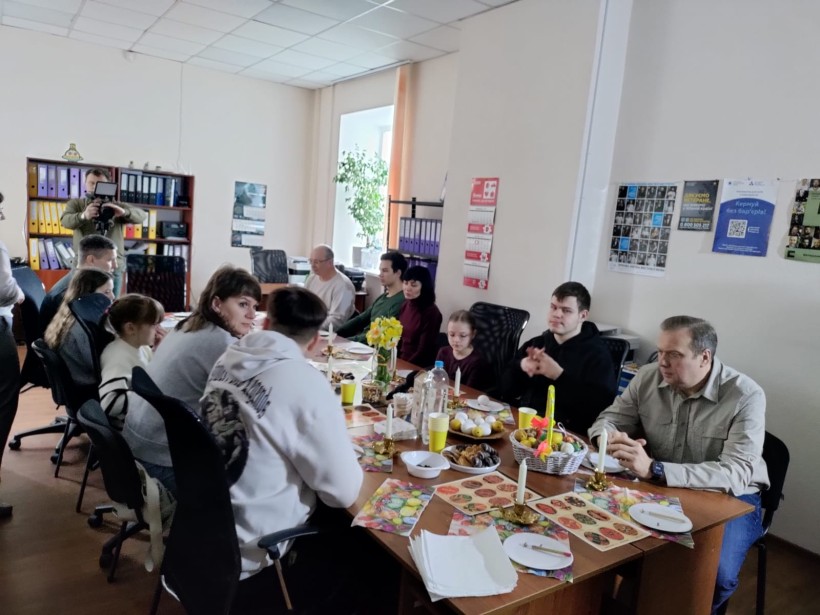
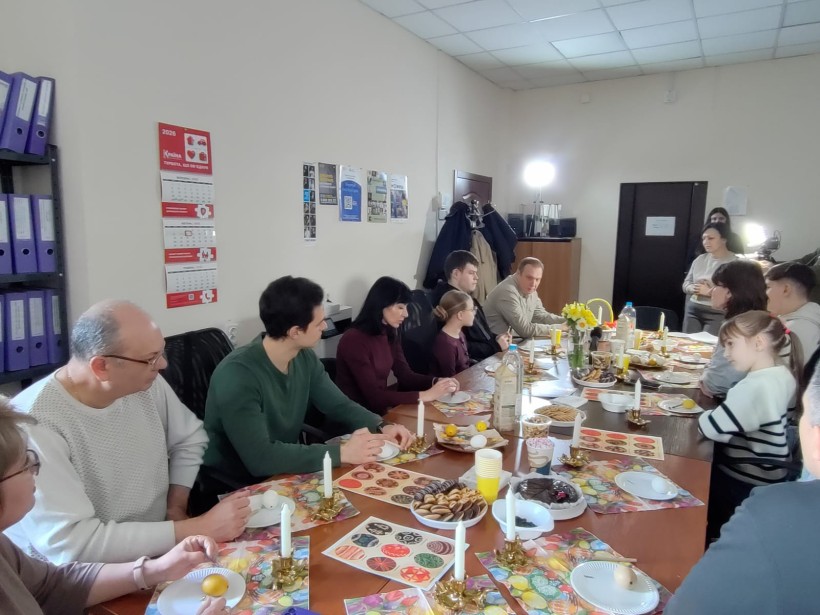
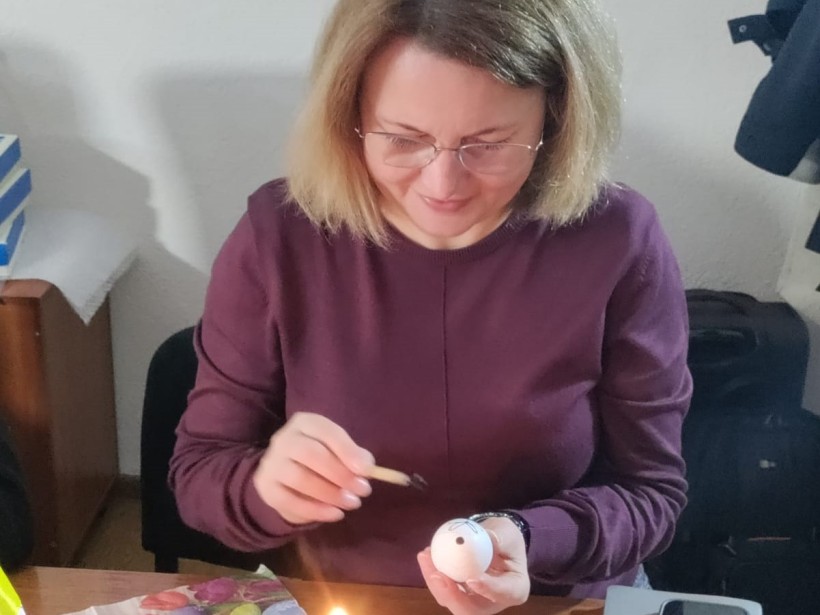
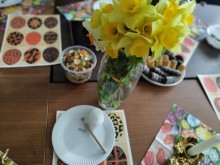
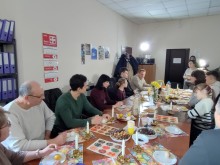
In Dnipropetrovsk Oblast, a cultural and artistic event titled “The Easter Egg as a Language of Tradition” was held for veterans and their family members. The event combined educational, creative, and rehabilitative elements, demonstrating the potential of culture as a tool for recovery and support.
Through creative practice, 11 families of veterans had the opportunity to release emotional tension, felt calm and supported among like-minded people, and connected with traditions that form the foundation of national identity.
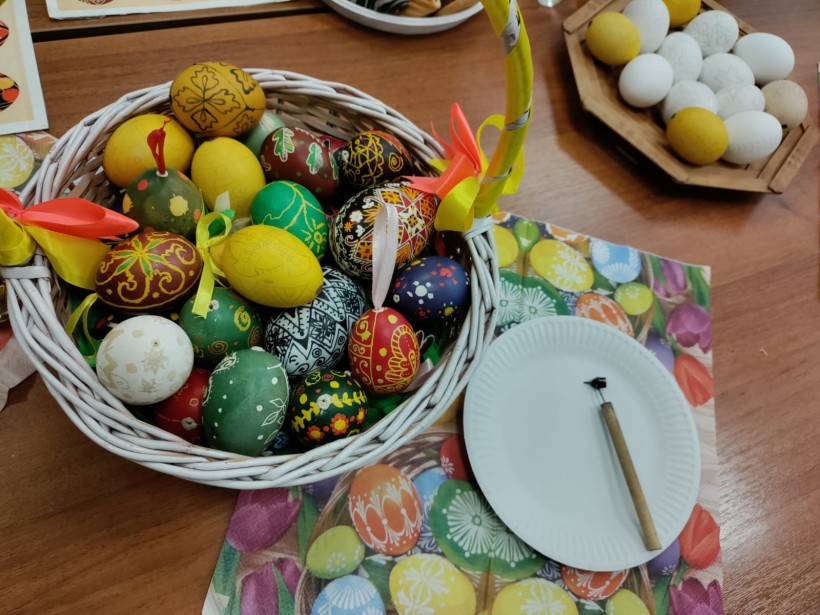
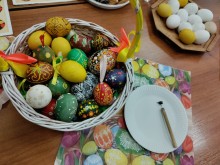
The goal of the initiative was to promote Ukrainian pysanka art as an element of intangible cultural heritage, as well as to familiarize participants with the traditions, symbolism, and significance of the pysanka in Ukrainian culture. Special attention was given to its role in shaping local and national identity.
Over the course of two weeks, Easter traditions are being showcased in various regions of Ukraine. In particular, “ethno-talks” were held in over 100 community centers across the Donetsk region, bringing residents together to preserve local traditions. Master classes on pysanka painting were also held—a unique element of cultural heritage that unites generations and regions, preserving and passing on the authentic traditions of the Ukrainian people and the intangible cultural heritage of Donetsk Oblast.
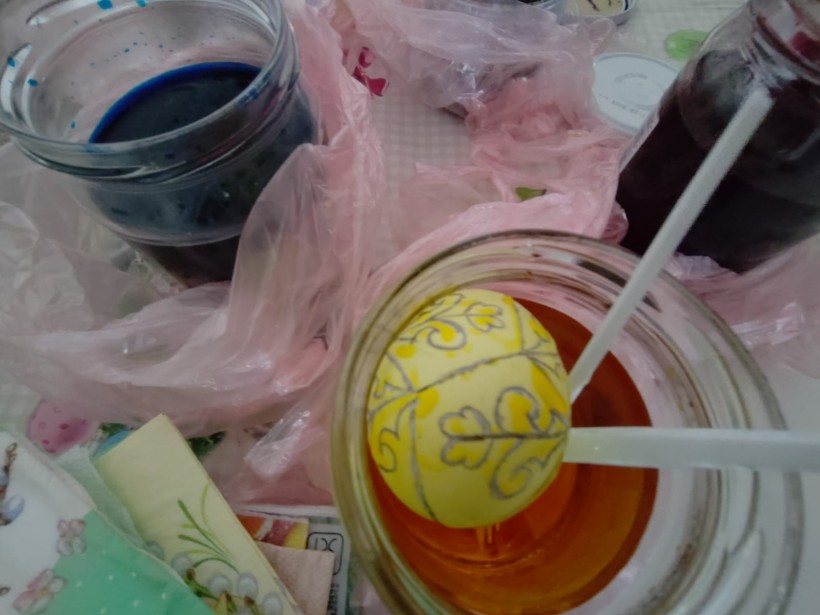
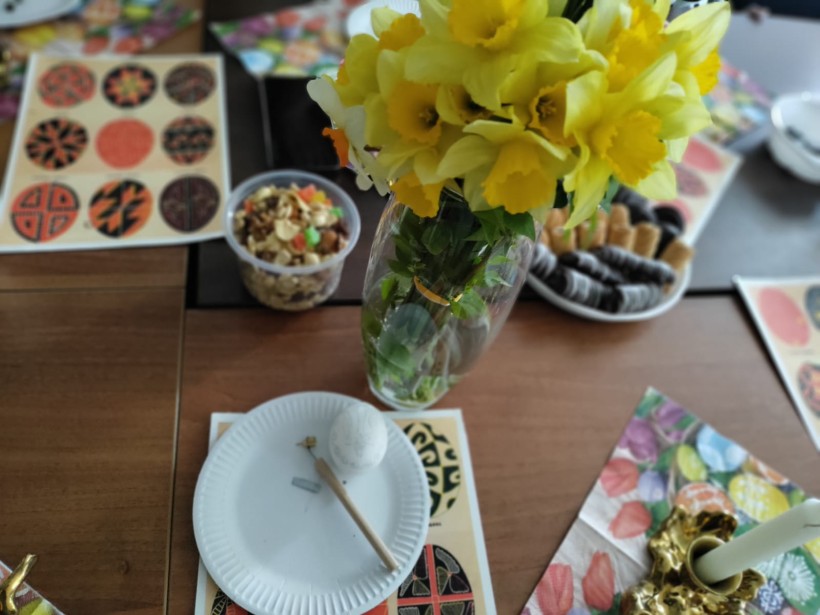
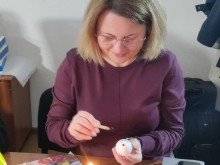
Today’s event took the form of an interactive master class led by specialists from the Donetsk Regional Art Museum. Participants learned about the history of pysanka painting, regional characteristics, and painting techniques, and created their own pysankas using the traditional wax technique.
Special emphasis was placed on the therapeutic effect of the creative process. Working with ornamentation helps reduce anxiety, promotes emotional stability, and provides psychological relief. Joint activities also foster social interaction and create a sense of unity.
The event with the veterans’ families concluded with a presentation of the works and an exchange of impressions, where the pysanka emerged as a symbol of renewal, life, and hope.
Such initiatives confirm that traditional culture is an important resource for preserving identity and supporting society in today’s conditions.