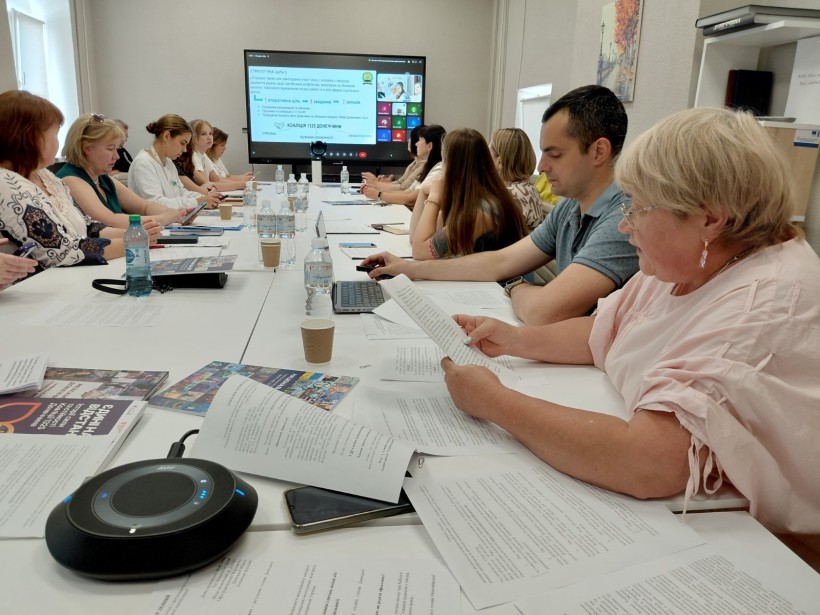
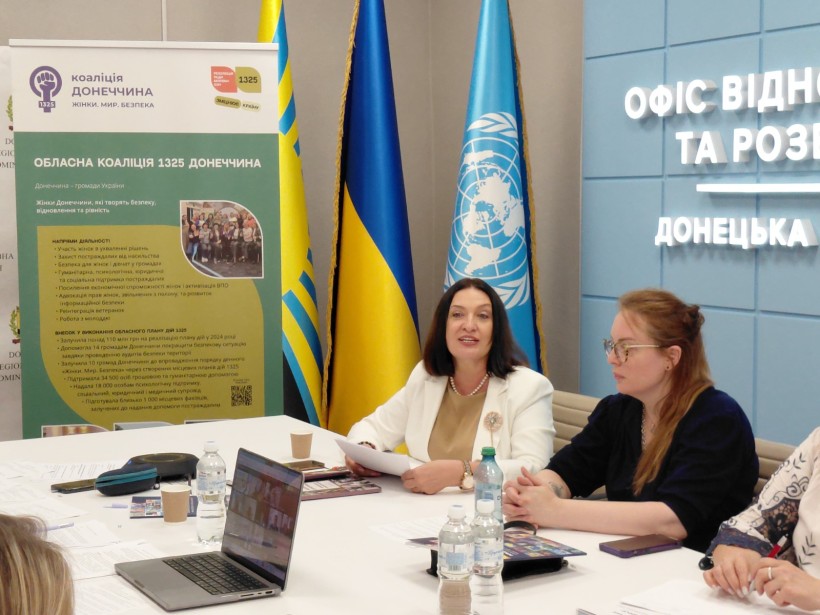
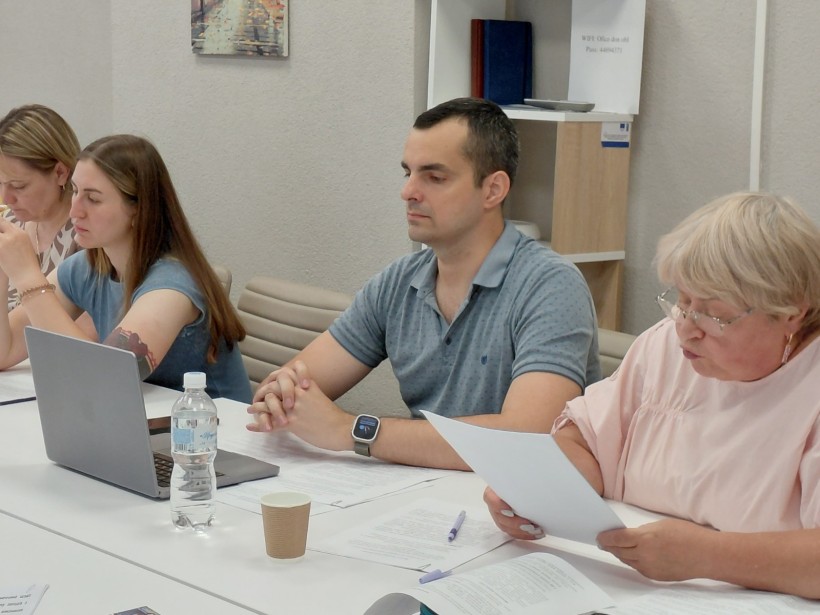
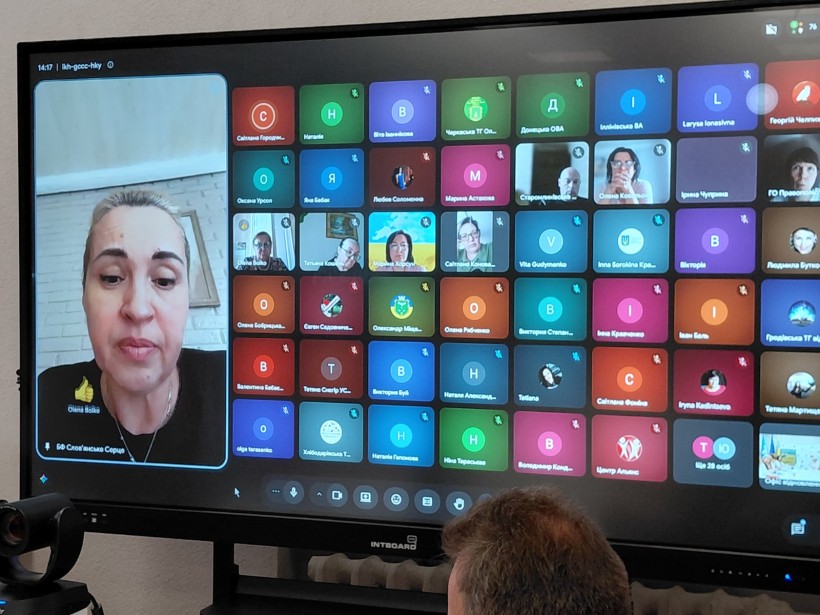
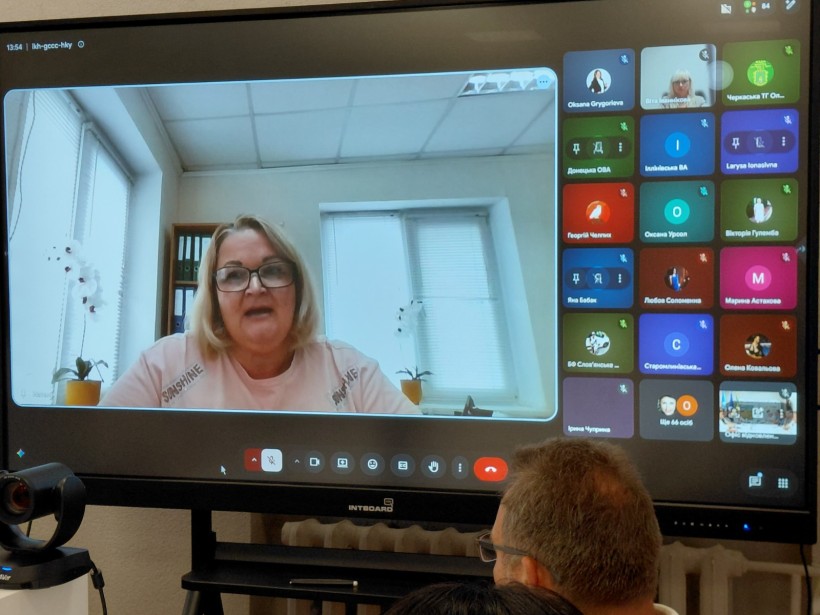
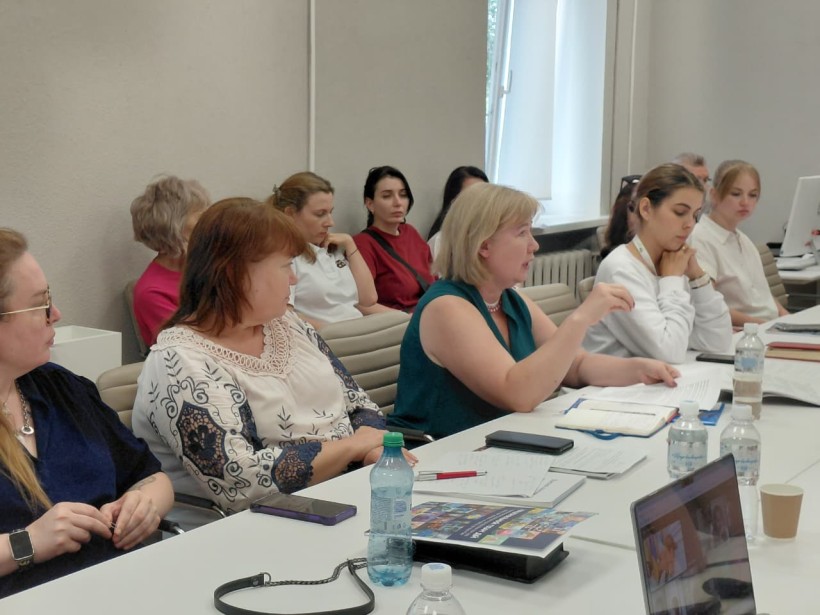
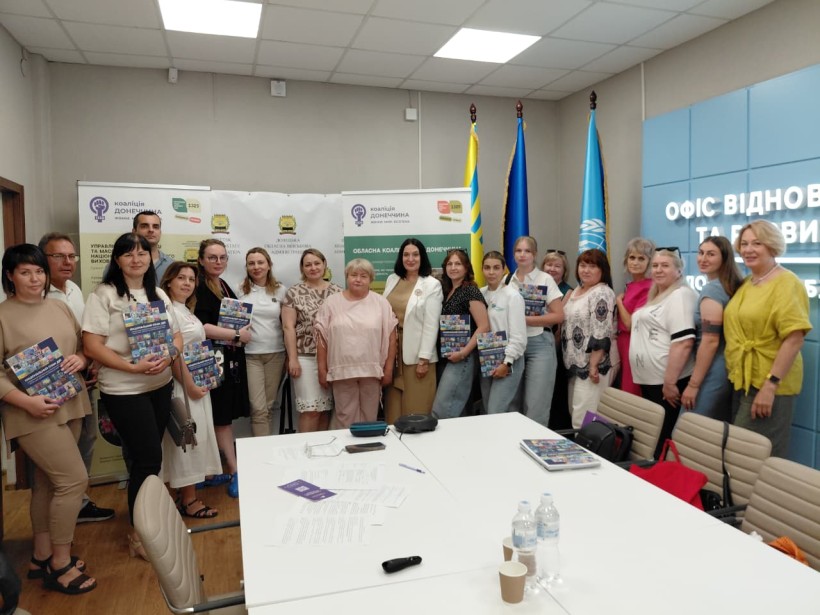
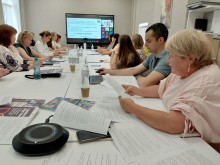
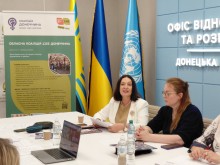

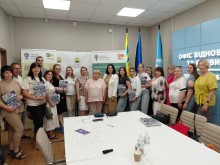
A meeting of the Regional Coordination Council on Family Policy, Gender Equality, Prevention and Combating Domestic Violence, and Combating Human Trafficking was held in the Donetsk region.
During the meeting, a number of pressing issues were addressed in the areas of ensuring gender equality, protecting the rights and interests of children, implementing the “Women, Peace, and Security” policy, and developing cross-sectoral cooperation.
One of the key issues was the discussion and approval of recommendations on applying the principles of gender-sensitive language in the activities of the Donetsk Regional State Administration. The implementation of these principles will contribute to the creation of a non-discriminatory and inclusive information environment, as well as to the consideration of gender aspects in government communications.
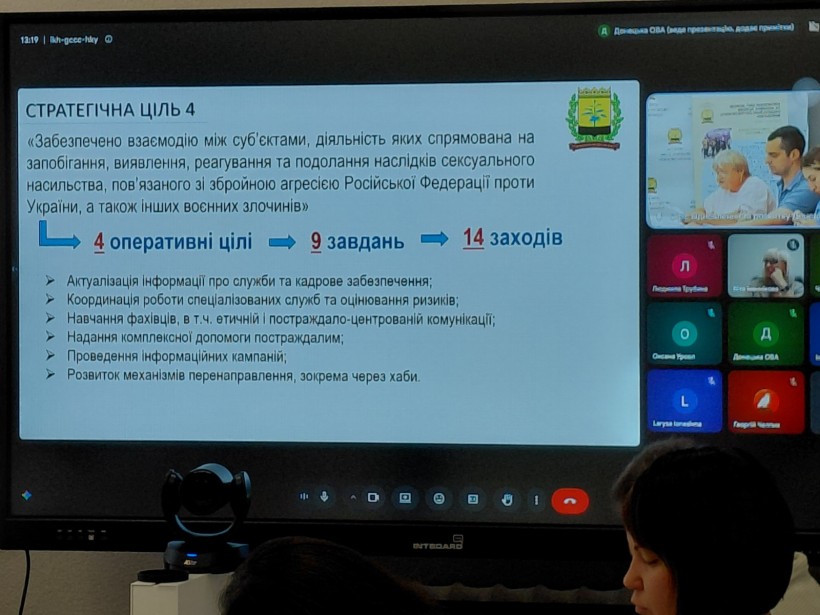
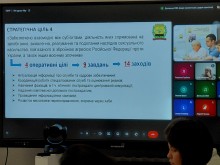
Special attention was given to the presentation of the Regional Action Plan for the implementation of the National Action Plan to implement UN Security Council Resolution 1325 “Women, Peace, and Security” for the period up to 2030 in the Donetsk region.
The meeting participants discussed the main directions for implementing the Regional Action Plan and further cooperation among state authorities, local self-government bodies, civil society organizations, and international partners.
An important part of the discussion was the issue of cooperation with the Donetsk Region Coalition 1325 regarding the implementation of the Regional Plan’s measures. This collaboration aims to strengthen the coordination of efforts and to engage the expertise of civil society in implementing the principles of the “Women, Peace, and Security” agenda.
Participants also addressed the issue of legal mechanisms for protecting children’s rights in family disputes. The presentation covered practical aspects of protecting children’s rights and legitimate interests, as well as opportunities for obtaining free legal aid.
A separate discussion focused on the evacuation of families with children—particularly large families—from areas of Donetsk Oblast where there remains a threat to the lives and safety of the population. During the discussion, emphasis was placed on the need for further coordination of efforts to organize the evacuation and provide families with the necessary support after their relocation.
The meeting participants also learned about the work of the Donetsk Regional Social Center for Mothers and Children, which resumed round-the-clock operations after relocating to the Dnipropetrovsk region. Separately, the Center’s capacity to receive and support women with children who were forced to evacuate from the Donetsk region was discussed. Representatives of local communities were informed about the possibility of using the Center’s services and referring families in need of temporary housing, social support, and comprehensive assistance to the Center.
Participants also learned about the implementation of the “Forum for Recovery and Opportunities” project, aimed at creating additional opportunities to support and empower people—particularly those with disabilities—as well as strengthening cooperation between the civil society sector, government agencies, and other partners.
The meetings of the Regional Coordination Council serve as an important platform for coordinating joint actions and developing practical solutions in the areas of family policy, ensuring gender equality, protecting children’s rights, and combating violence and human trafficking.