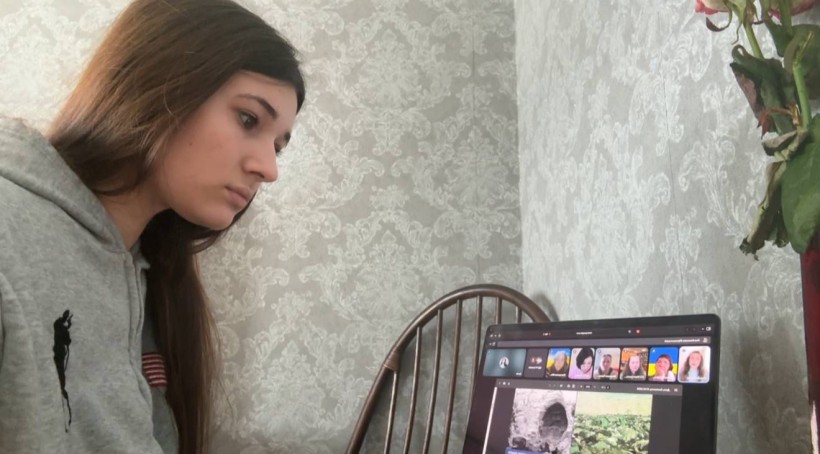
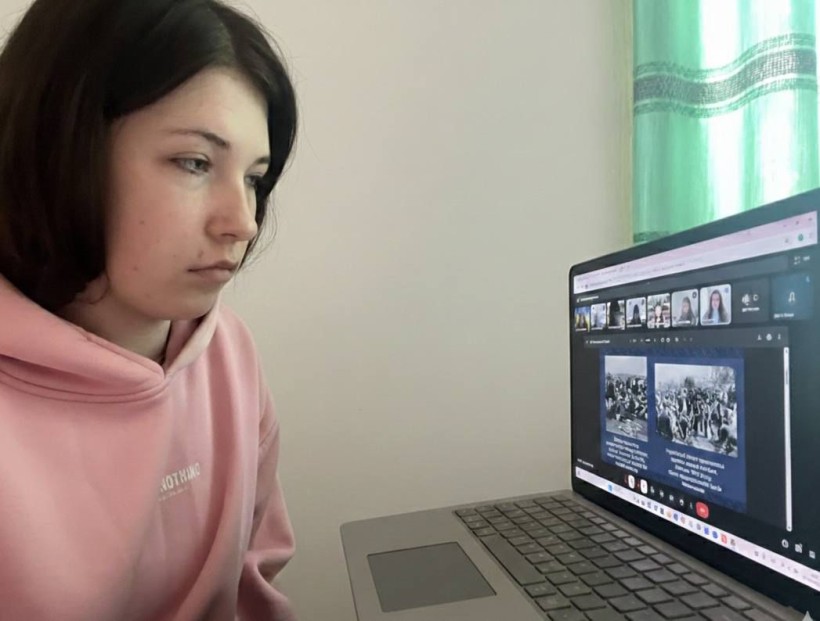
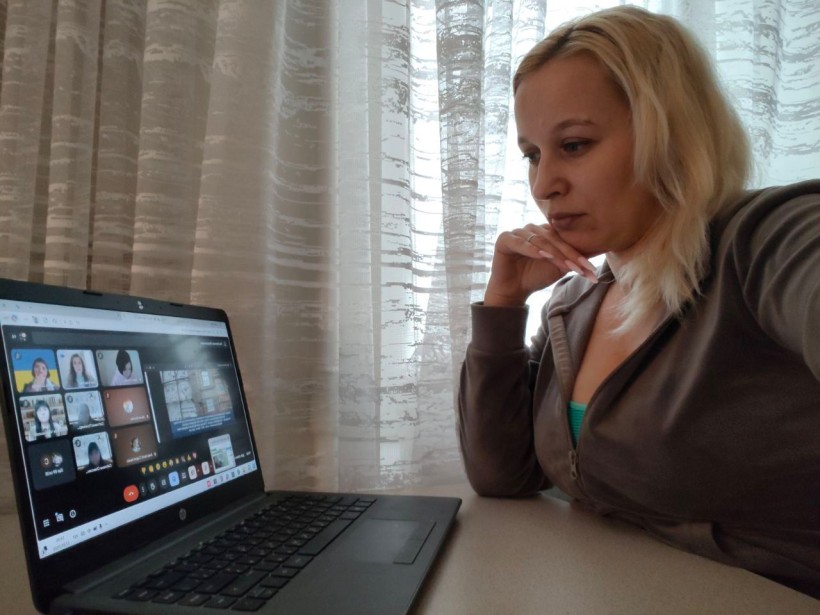
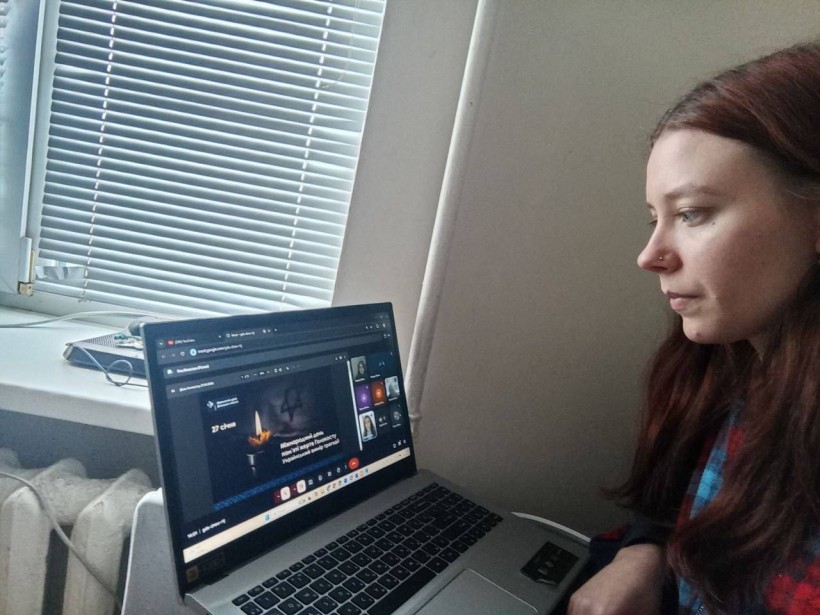

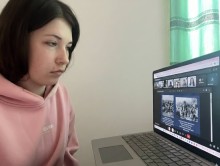

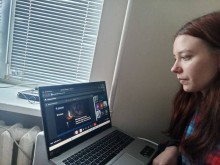
On January 27, 2026, on International Holocaust Remembrance Day, an online dialogue for young people in the Donetsk region took place. The event combined historical memory of the genocide of the Jewish people with an analysis of the contemporary threats facing Ukraine.
The meeting was organized by the Department of Family, Youth, and Mass Events of National-Patriotic Education of the Regional State Administration, the State Archives of Donetsk Region, and the Center for Unity and National Resistance platform.
The main topic of discussion was the Ukrainian dimension of the Holocaust. Unlike in Western Europe, where the Nazis transported people to death camps, in Ukraine the extermination took place mainly locally. The participants in the dialogue discussed in detail the history of the "Holocaust by bullets" in their native Donetsk region.
Yana Vlasova, chief specialist of the department for the use of information from documents of the State Archives of the region, cited facts about the horrific crimes committed by the occupiers in the cities of the region: Mariupol (Agrobase), Donetsk (Mine 4/4-bis), Bakhmut (Alebastrov Mine), Kramatorsk, and Kostyantynivka (mass executions in quarries and ravines).
Special attention was paid to the topic of the Righteous Among the Nations. Ukraine ranks fourth in the world in terms of the number of people who risked their lives to save Jews. For young people, this became an example that even in the darkest times, a person has a choice — to remain indifferent or to lend a helping hand.
The most heated part of the dialogue was the comparison between the methods of the Nazi regime and modern Russian aggression. Participants discussed how hate speech and the dehumanization of Ukrainians in Russian propaganda lay the groundwork for war crimes.
Speakers emphasized that modern filtration camps, deportations, and attempts to erase Ukrainian identity have direct historical parallels with the practices of the Third Reich.
For young people from Donetsk Oblast, many of whom have themselves become displaced persons or witnesses to war, this dialogue was an opportunity to gain a deeper understanding of the roots of hatred and the value of human life. Remembering the Holocaust is not only about mourning, it is about everyone's responsibility to ensure that the slogan "Never again" becomes a reality, not just words.
The event ended with a virtual tribute to the millions of victims whose lives were cut short by hatred and a call for unity around the protection of democratic values and human rights.