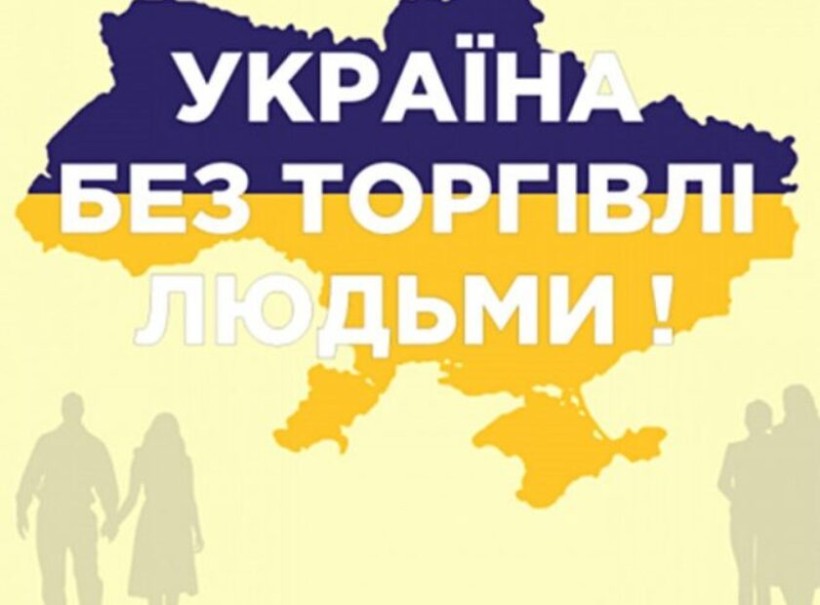
The Second Strategic Planning Session was held, dedicated to the development of a vital document - the State Social Program of Ukraine to Combat Human Trafficking for the Period 2026–2030, organized by the Ministry of Social Policy of Ukraine in cooperation with the United Nations Office on Drugs and Crime (UNODC) and brought together key experts, representatives of state bodies, international organizations and civil society from all over Ukraine, including representatives of the Department of Family, Youth and Mass Events of National and Patriotic Education of the Regional State Administration and representatives of structural units of territorial communities of the Donetsk region, which deal with issues of combating human trafficking.
The moderators of the event - Oksana Pustova from the Ministry of Social Policy and Samir Rizvo from UNODC - delivered welcoming remarks. Speakers who emphasized the importance of consolidated efforts to combat human trafficking included Halyna Zhukovska, Senior Officer of the Office of the Government Commissioner for Gender Policy, Natalia Bogdanova from the Ministry of Social Policy of Ukraine, Harshet Virk, Head of the UNODC Program Office in Ukraine, and the UN Team of Experts on the Rule of Law/Sexual Violence in Conflict. Of particular importance was the participation of representatives of the regions, in particular Donetsk Oblast, whose experience and understanding of the situation on the ground are extremely valuable for the development of an effective program. The event was divided into several sessions, in which various issues were discussed. The first session was devoted to a thorough analysis of the implementation of the current State Social Program to Combat Human Trafficking for the period until 2025. UNODC Consultant Yulia Sachenko presented an assessment of the program according to key criteria: relevance, efficiency, effectiveness, impact and sustainability. Participants discussed the experience of implementing the program, identified changes in the internal and external environment that affect the fight against trafficking in human beings, and formulated recommendations for the developers of the new Program. This stage is critical to avoiding previous shortcomings and strengthening future initiatives.
Then, in the second session, Maryna Pasechnyk, a UNODC consultant, presented the results of a rapid assessment of the current situation with trafficking in human beings in Ukraine. The participants discussed the causes, patterns and trends of this crime, which is especially relevant in the context of a full-scale war, as well as the formation of priorities, strategic choices, overall goal, specific objectives and measures for the new State Program that would adequately reflect modern challenges.
During the third session, Viktor Valchuk, UNODC consultant, presented a mapping of international commitments and recommendations to Ukraine on combating trafficking in human beings. This part of the discussion focused on identifying benchmarks for harmonizing the Ukrainian political, legislative and institutional systems with international norms and unfulfilled commitments, which should become the basis for developing an effective and internationally compliant Programme.
One of the key parts of the day was Session 4, where international partners – OSCE, ODIHR, ISTAC, Council of Europe, European Union and United States of America – presented their recommendations and best practices. Moderated by Samir Rizvo (UNODC), speakers shared valuable experiences and approaches that can be used by Ukraine in developing and implementing a new Programme.
During the fifth session, moderated by Natalia Kulikova (UNODC consultant) and Ella Lamakh (Ministry of Social Policy consultant). The participants of the strategic session discussed the tasks for each of the proposed strategic goals and key indicators for assessing the progress of the implementation of the State Social Program for the period 2026-2030. The results of the first strategic planning session and proposals received during a series of exercises in April 2025 were also announced. The active participation of representatives of different regions, in particular the Donetsk region, made it possible to take into account the specific needs and challenges that exist on the ground. This interactive format allowed all participants to actively form future steps.
The final, sixth session, led by Oksana Pustova and Samir Rizvo, was devoted to the formation of the next steps in the development of the State Program, which involves detailing the roadmap, identifying responsible parties and deadlines for further work on the document.
The second strategic planning session was an important stage in the formation of a comprehensive and effective State Social Program of Ukraine to Combat Human Trafficking for the period 2026–2030. Involving a wide range of stakeholders, including representatives of the Donetsk region, is key to ensuring the relevance and effectiveness of the future Program. Consolidated efforts of Ukrainian and international experts, as well as the active participation of the public and regional representatives, are the key to success in combating this crime and ensuring a dignified and safe life for all citizens of Ukraine.