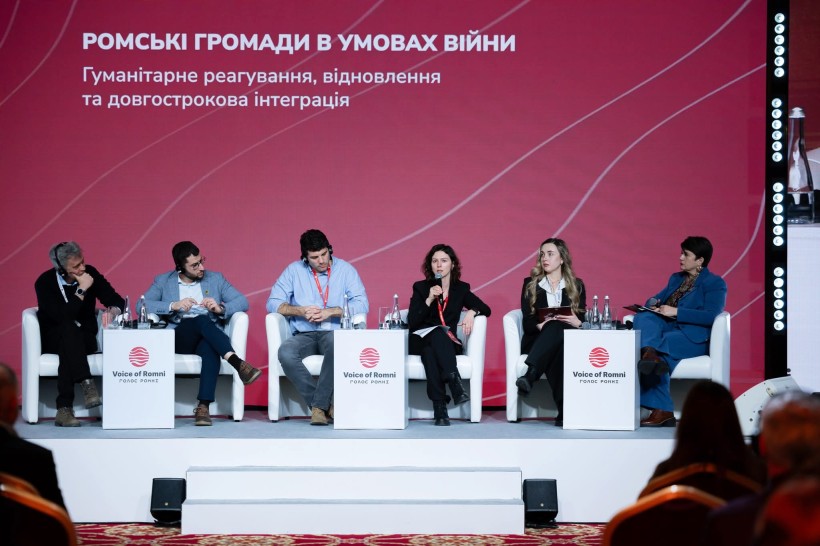
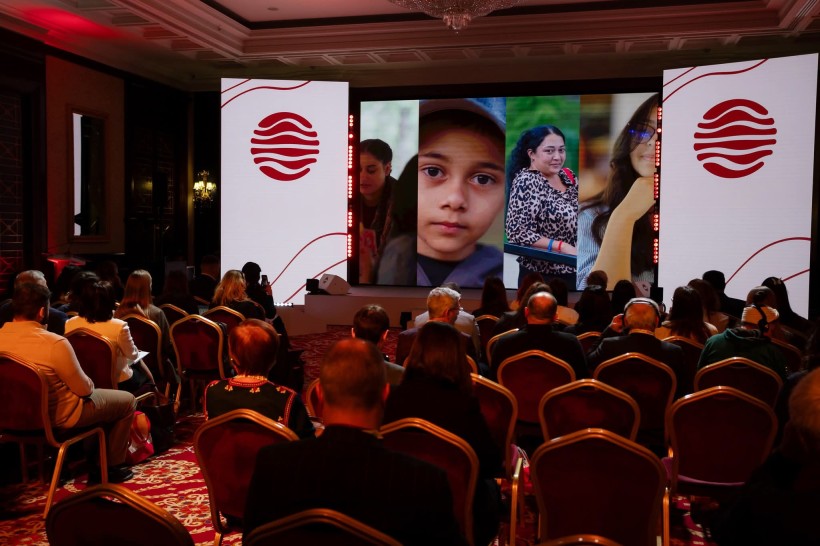
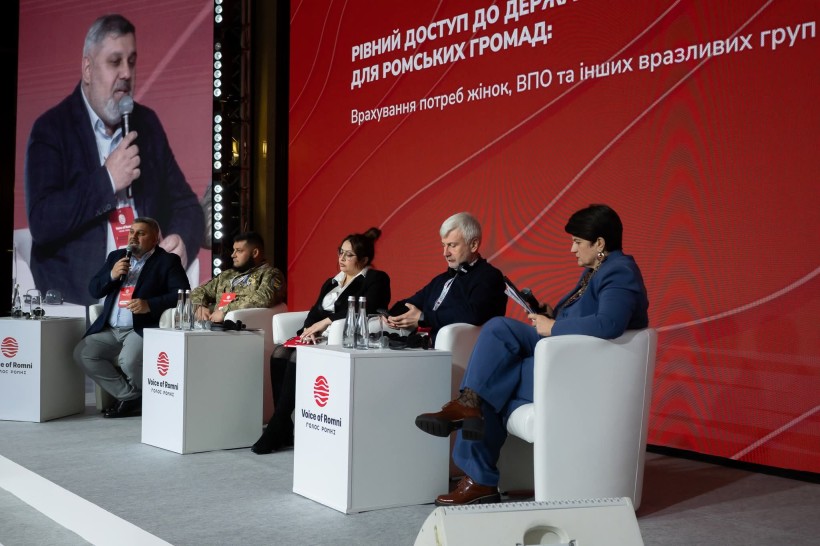
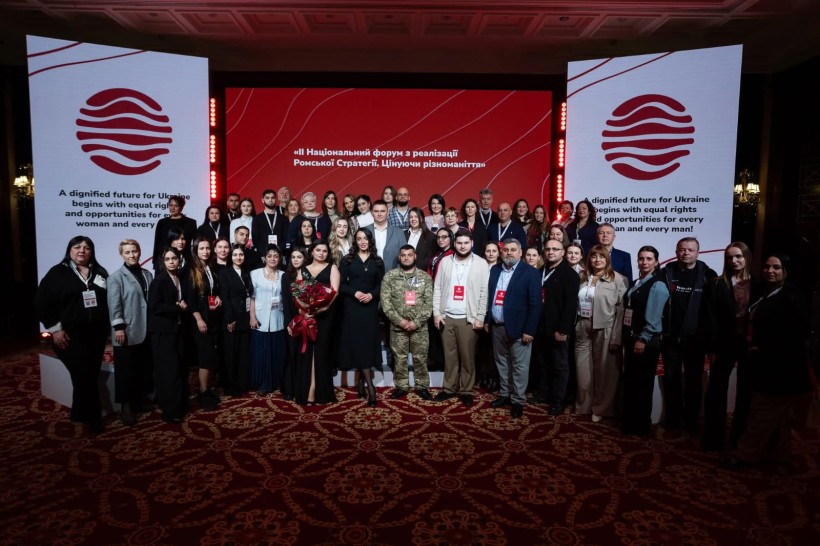
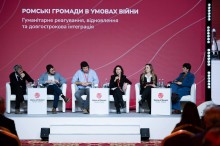
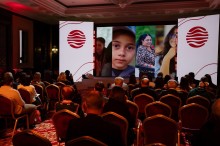
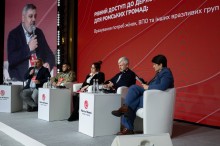
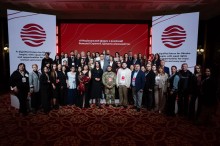
Representatives of the Department of Culture and Tourism of the Donetsk Regional State Administration took part in the Second National Forum on the Implementation of the Roma Strategy: Valuing Diversity, which was held in Kyiv.
The event was organized by the Roma Women's Public Association “Voice of Romani” and supported by the State Service of Ukraine for Ethnic Policy and Freedom of Conscience.
The event provided a platform for discussing the needs of the Roma community in Ukraine and how they have changed since the start of the full-scale invasion, learning about the best regional practices for interaction between Roma and pro-Roma organizations with international partners and authorities to improve the situation of Roma, and forming real, rather than declarative, support for the Roma community.
During the Forum, issues related to the effective implementation of the Roma Strategy until 2030 were considered and the results of regional dialogues were discussed, as well as the urgent needs and problems identified during consultations held at the end of last year in some regions of Ukraine.
The event was attended by Lyudmila Shemelinets, First Deputy Minister of Social Policy, Family and Unity of Ukraine; Nataliya Tsmot, Ambassador Extraordinary and Plenipotentiary of Canada to Ukraine; Ana Pepper, Senior Advisor on Women's Protection, United Nations Resident Coordinator's Office; Deputy Head of the State Service of Ukraine for Ethnic Policy and Freedom of Conscience Igor Lossovsky, Acting Director of the Office of the OSCE High Commissioner on National Minorities Eleonora Lotti, President of the NGO “Voice of Roma” Anzhelika Belova, Program Manager, Acting Head of the UN Women Office in Ukraine Tetiana Kudinova, representatives of regional military administrations, Roma civil society organizations, and experts. In their speeches, they emphasized the importance of trust between the state and the Roma community, the need to overcome discrimination, empower women, and strengthen social cohesion, especially in times of war.
The final part of the Forum was intended to summarize the main conclusions of the previous discussions and formulate clear, coordinated recommendations for improving the implementation of the Roma Strategy at the national, regional, and international levels.