












A network of humanitarian centers from Donetsk Oblast continues to operate actively in Dnipro, having established a comprehensive support system for internally displaced persons since its inception. These centers have become an integral part of the social support provided to people who were forced to leave their homes and are now adapting to new living conditions.
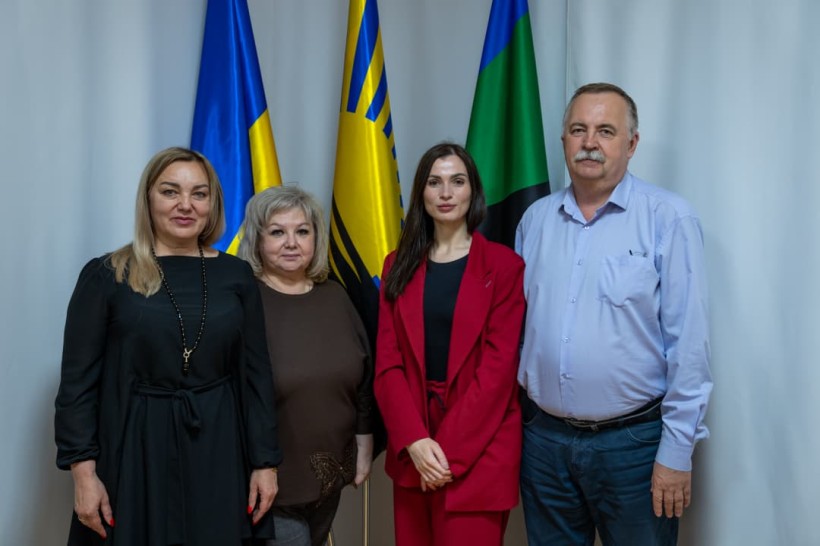
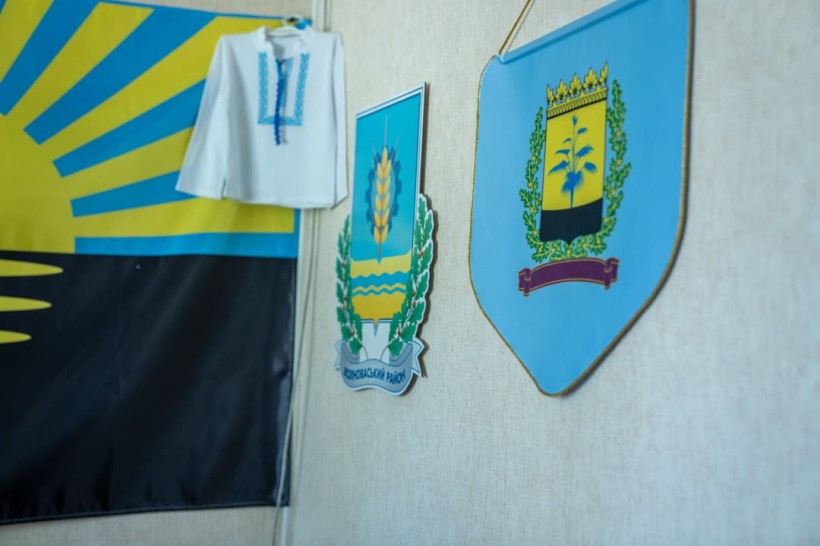
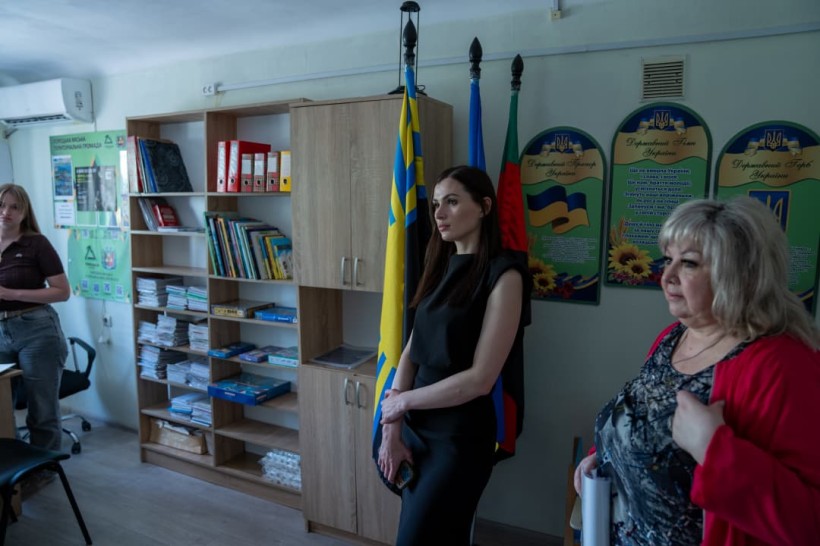
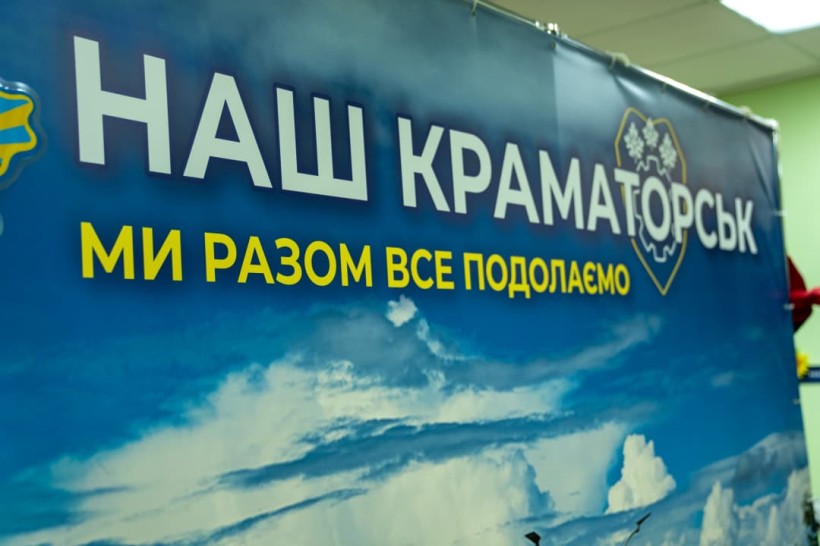
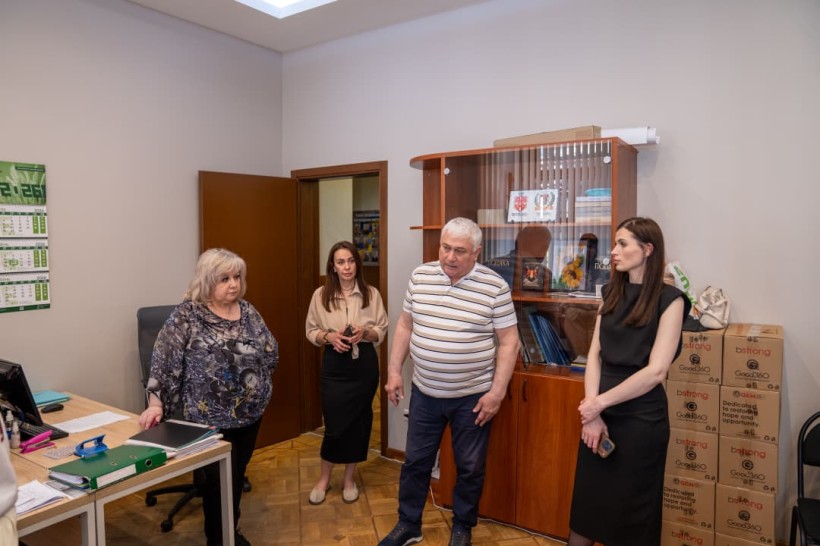
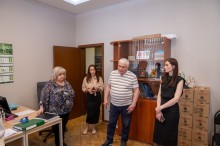
As part of a working visit on May 19–20, 2026, the Chief of Staff of the Regional State Administration, Oleksandra Zhuravel, and the Director of the Department of Social Protection of the Population of the Regional State Administration, Olena Tokareva, visited the humanitarian hubs and support centers established in Dnipro with the assistance of the Donetsk Regional State Administration, the Bakhmut, Volnovakha District State Administrations, and the Avdiivka, Bakhmut, Dobropillia, Hrodivka, Kramatorsk, Kurakhiv, Mariupol, Myrnohrad, Pokrovsk, Toretsk, and Soledar Military Administrations.
The centers implement a multi-level approach to providing assistance. In total, more than 62,200 residents of Donetsk Oblast in these areas receive the necessary resources to address urgent issues and ensure stable support.
During the meetings, participants reviewed the organizational and practical aspects of the hubs’ operations. In particular, they discussed the workload on the humanitarian centers, mechanisms for coordination among social services, and ensuring the uninterrupted provision of services.
Special emphasis was placed on the accessibility of assistance for various population groups, including families with children, the elderly, and people with disabilities.
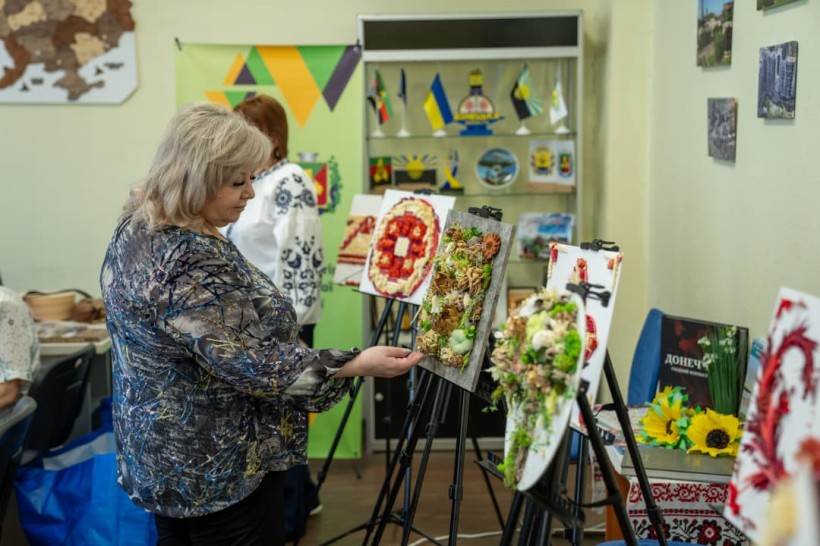
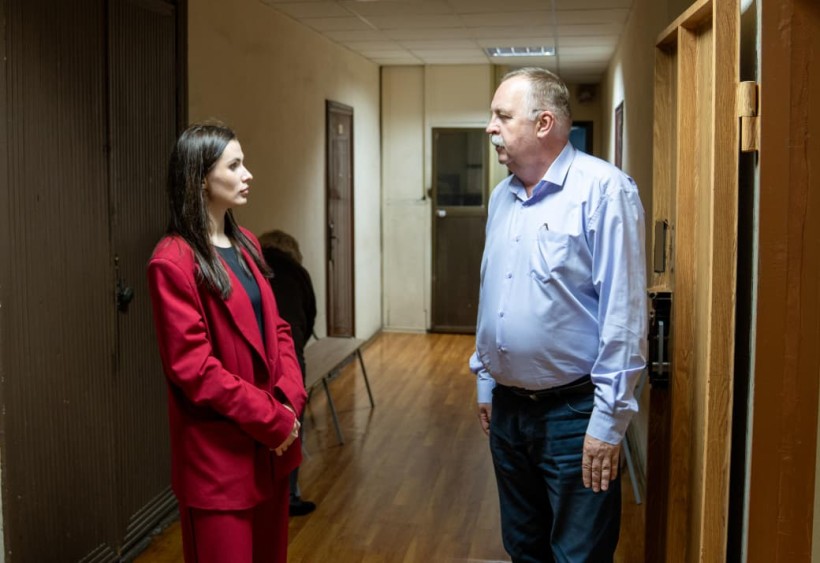
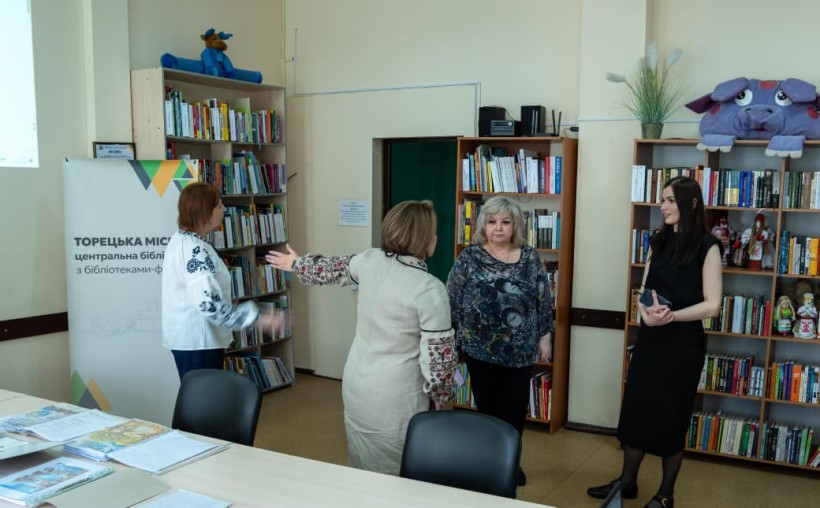
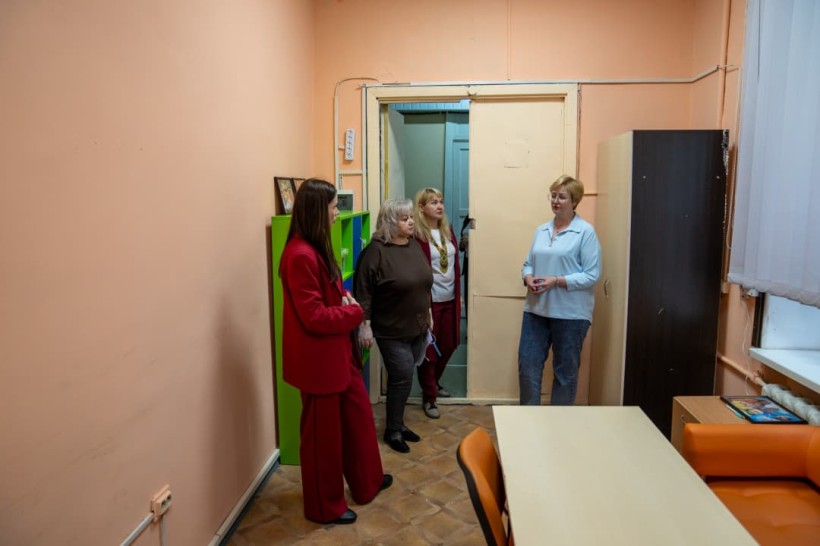
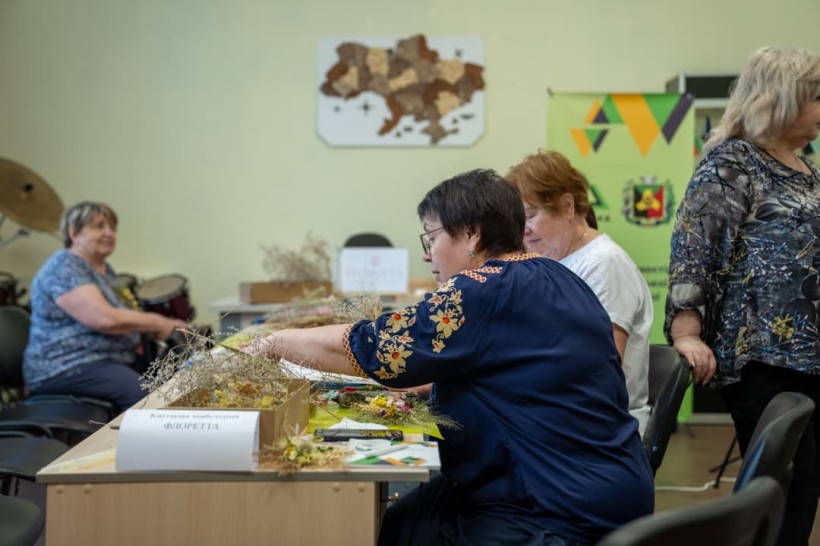
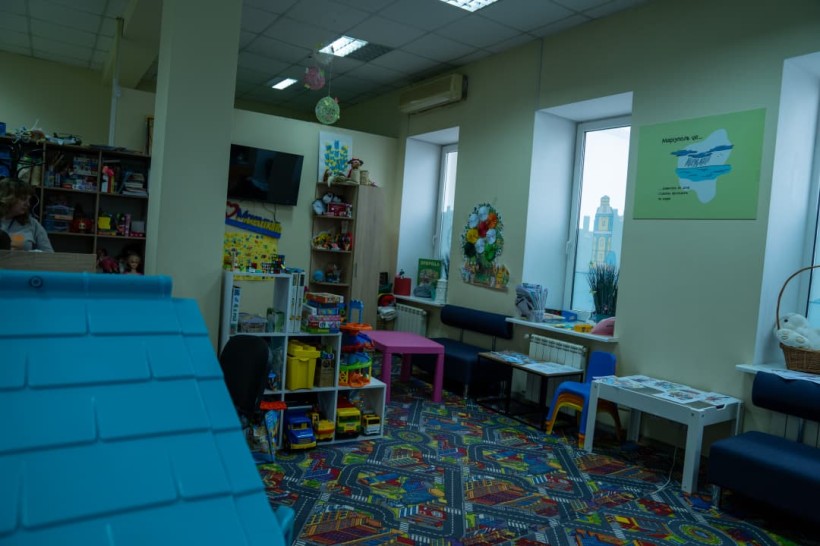
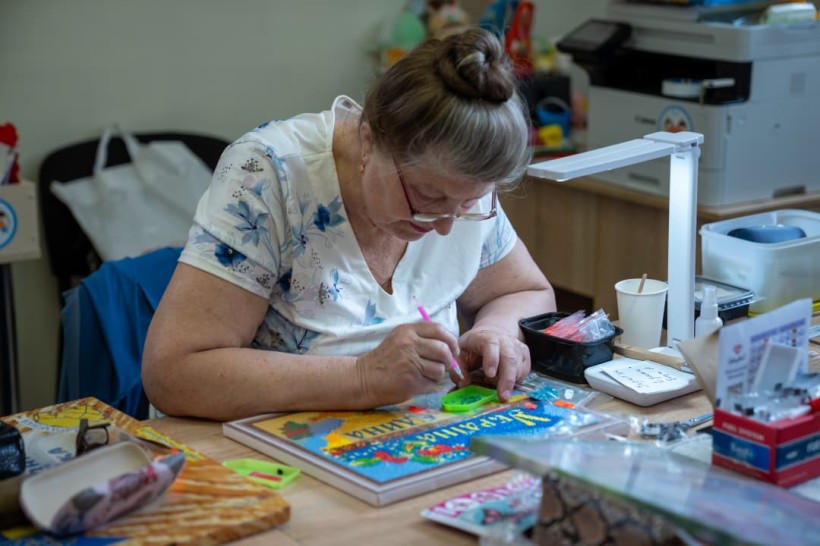
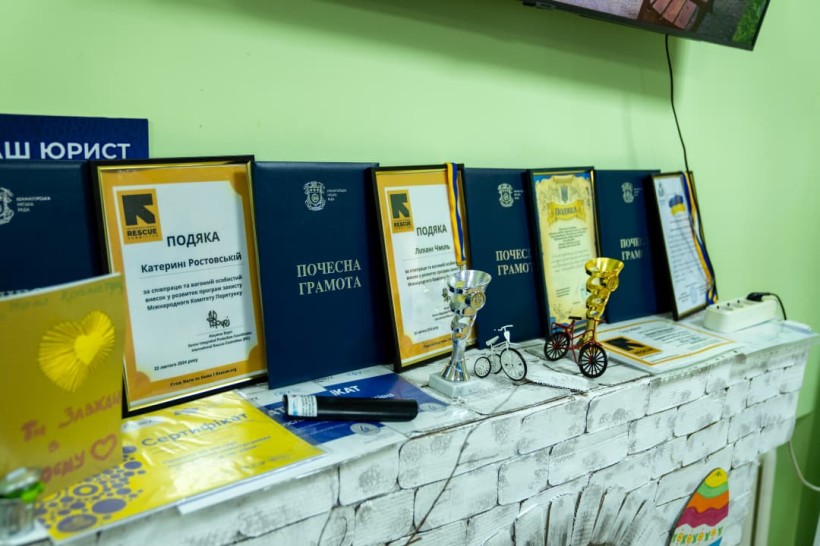
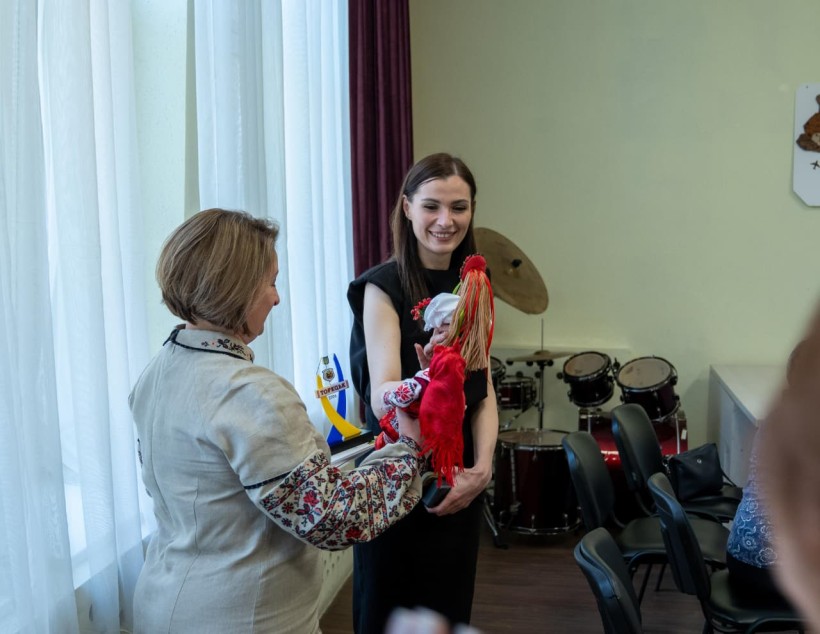
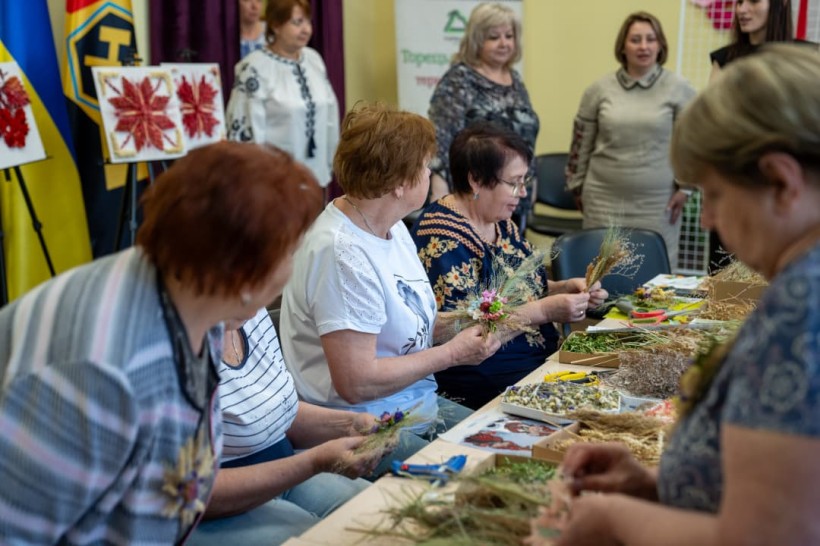
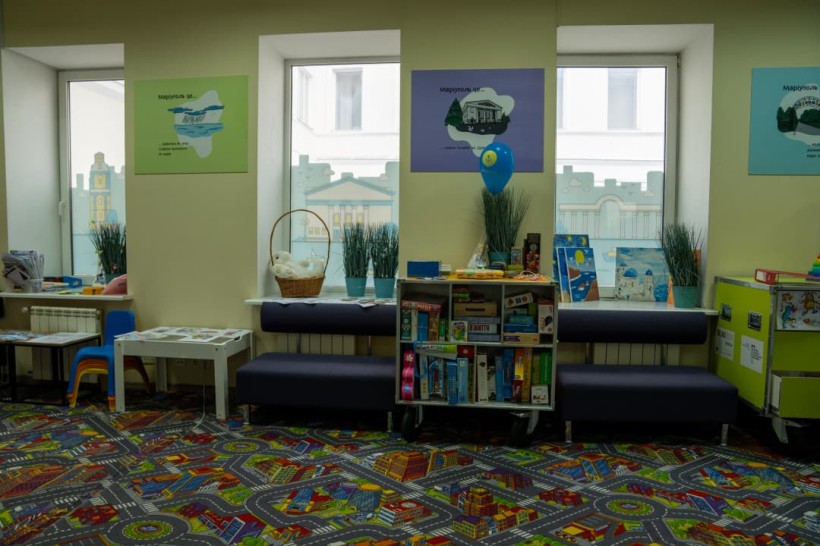
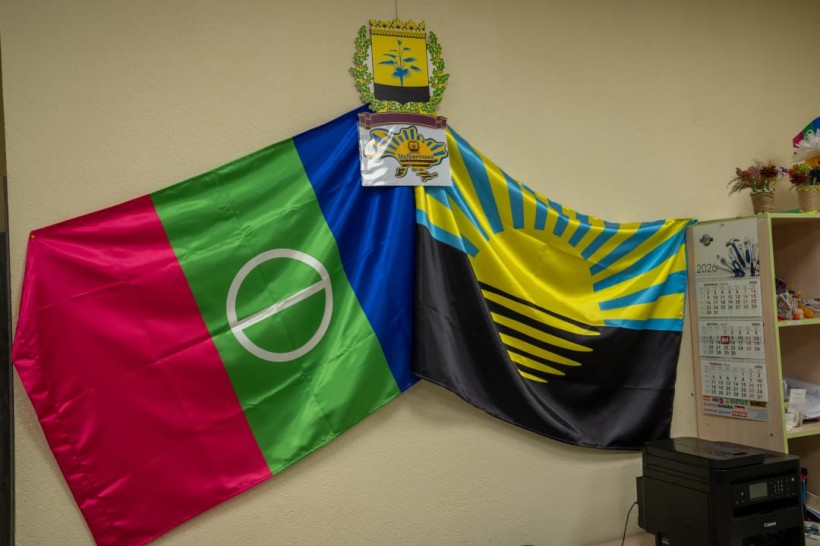
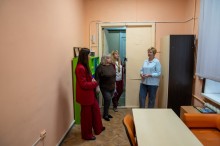
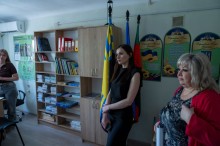
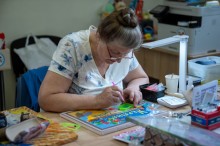
Representatives of the regional state administration familiarized themselves with the work of the locations directly on site and spoke with employees of the centers/hubs, volunteers, and visitors. The focus was on key functional spaces—children’s areas, medical offices, library and veteran centers, as well as spaces for communication and mutual support.
During the visit, Oleksandra Zhuravel noted that humanitarian hubs serve a much broader function than simply providing basic services. They are part of an organized system that ensures the continuity of support for displaced persons and creates conditions for their gradual adaptation to a new environment. Such spaces help preserve ties between communities and maintain social cohesion even under the difficult conditions of prolonged challenges.
Particular attention was paid to the further development of the network of hubs, the improvement of service delivery, and the expansion of the range of services in line with current needs. The importance of strengthening coordination among all stakeholders was also emphasized to improve the effectiveness and quality of assistance for internally displaced persons who visit the support centers on a daily basis.
The established system of humanitarian hubs in Donetsk Oblast, which currently comprises 102 locations, remains a vital component of the regional policy for supporting internally displaced persons. These are spaces where people, during a difficult period in their lives, receive the necessary assistance, feel supported, and gradually regain a sense of stability and confidence in the future.