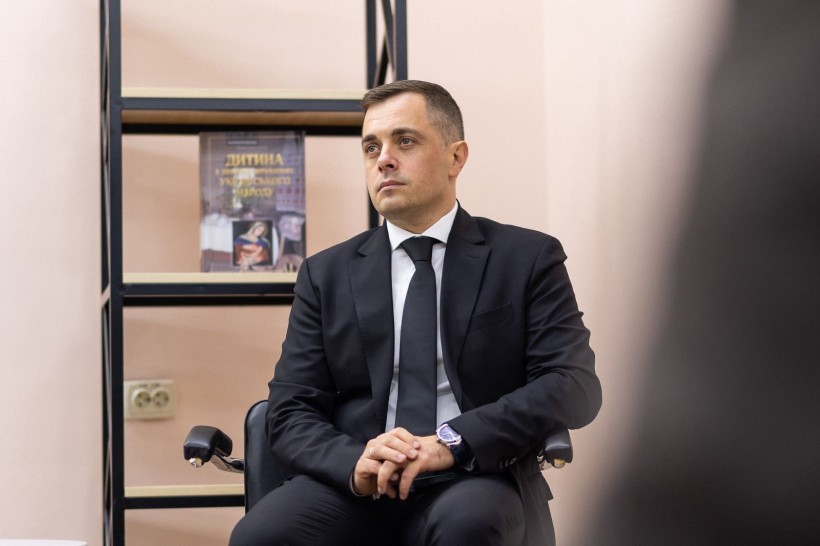
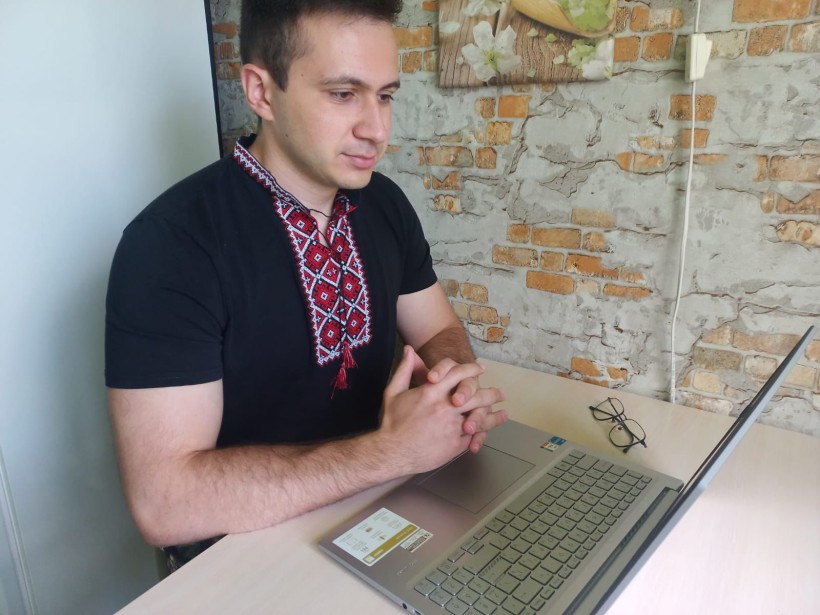
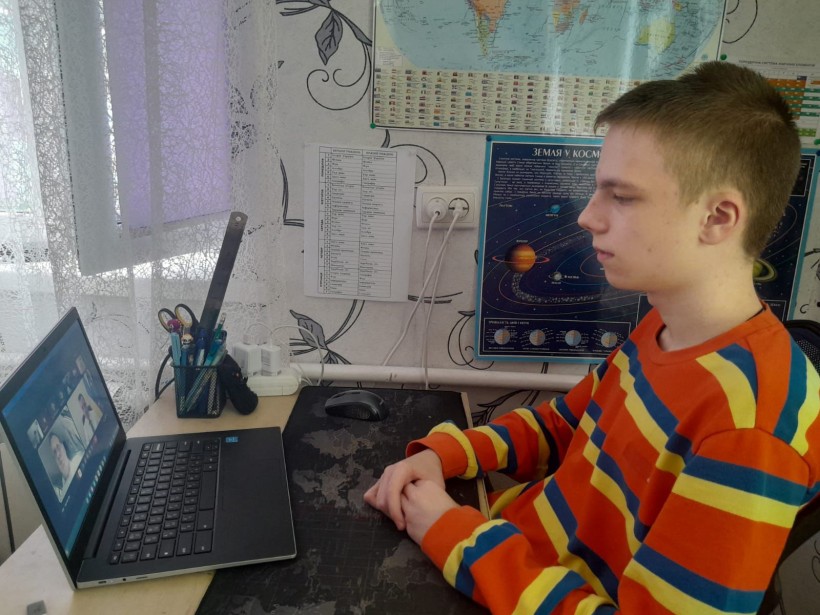
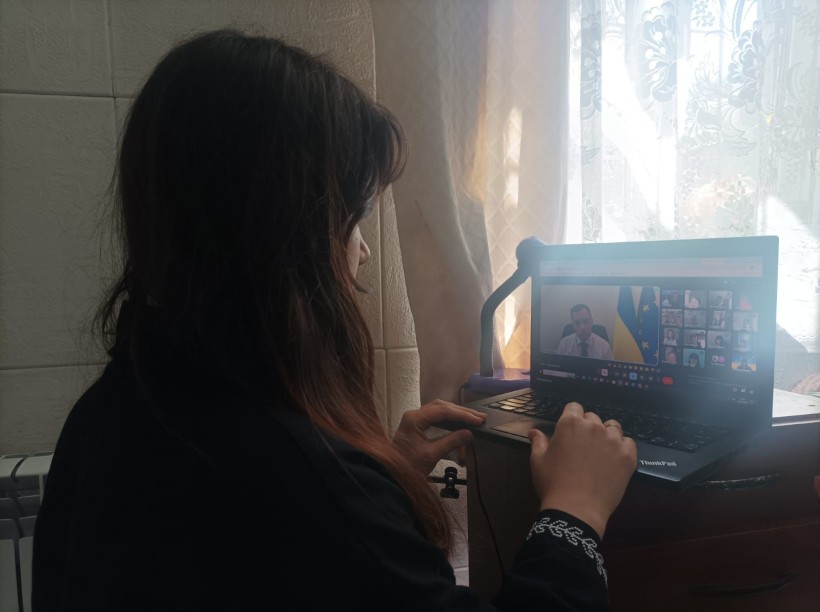
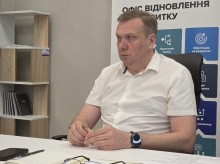
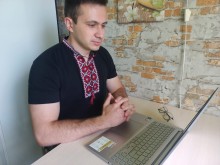
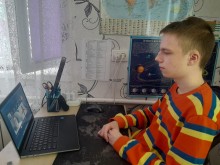
On May 22, young people from the Donetsk region met with Mykola Trofimenko, Deputy Minister of Education and Science of Ukraine, as part of Open Government Week. This event is part of the global international initiative “Open Government Partnership,” in which Ukraine has been actively involved for 15 years.
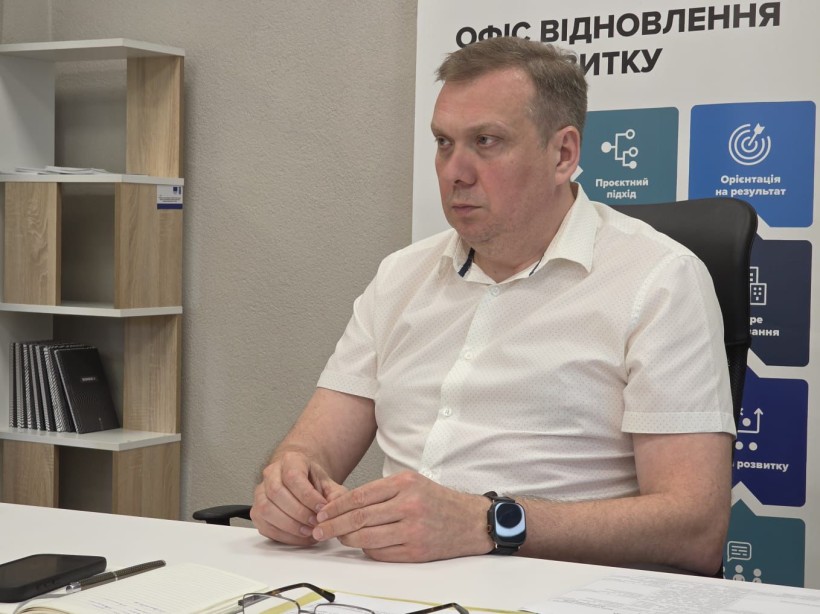
Oleksandr Shevchenko, Deputy Head of the Regional State Administration, joined the meeting. He emphasized the importance of synergy between the central government, the relevant ministry, and the regional administration to support students who, despite all challenges, see their future in the Donetsk region.
The topic of this year’s discussion was practical in nature: “How the Ministry of Education and Science of Ukraine Works: From Idea to Public Policy.” Participants had the opportunity to examine real-life cases of how youth initiatives are transformed into official government decisions, how funding for educational programs is monitored, what digital tools the Ministry of Education and Science is developing, and how young people can complete an internship at the ministry.
The keynote speaker at the event was Mykola Trofimenko, whose life and professional journey resonate particularly with the youth of Donetsk Oblast. He was born in Mariupol and is a graduate of Mariupol State University. He rose from student to professor and later became the youngest rector of a state university in Ukraine, taking the helm of Mariupol State University at the age of 35.
During the open dialogue, young people from the frontline region asked about benefits for university applicants from temporarily occupied territories, the future of relocated universities, and the risks posed by the new system of state grants for regional higher education institutions.
Special attention was paid to the transparency of university funding allocation, the actual influence of student self-government on budget planning, and the strengthening of its powers.
Participants also discussed the development of dual education, the launch of new digital services—including a platform for electronic budget transfers—and mechanisms for submitting student reform proposals to the Ministry of Education and Science.
“It is important to us that young people from the Donetsk region see their place in Ukrainian education and have clear tools to influence decisions. Benefits for applicants from frontline territories and temporarily occupied communities, support for relocated universities, grants, dual education, and student self-governance—all of these are practical issues that directly influence a young person’s choices. The Ministry of Education and Science is working to ensure that young people choose to study, influence university life, and build their professional careers in Ukraine,” noted Mykola Trofimenko, Deputy Minister of Education and Science of Ukraine.
The meeting served as further confirmation that young people in Donetsk Oblast aspire to be active participants in the processes of change in the fields of education and public administration. The open format of the discussion allowed not only for the articulation of current issues and student concerns but also for the provision of concrete answers regarding future opportunities.
The meeting served as further confirmation that young people in the Donetsk region are eager to play an active role in driving change in the fields of education and public administration. The open format of the discussion allowed participants not only to voice the pressing issues and concerns of the student body but also to receive concrete answers regarding future opportunities and avenues for influence.
Such initiatives build trust between young people and state institutions, strengthen civic engagement, and demonstrate that Ukraine’s modern education policy is being developed in partnership with the younger generation.
According to information from the Department of Family, Youth, and Mass Events for National-Patriotic Education of the Regional State Administration