Despite the daily challenges posed by the protracted war for Ukraine’s independence, the Donetsk region is not left to face its difficulties alone. Under the coordination of the Regional Office for International Cooperation, the Donetsk region continues to receive significant support from the international community.
Throughout the first quarter of this year, aid from donor organizations was directed toward meeting the basic needs of the population, maintaining the stability of critical and social infrastructure, and strengthening community resilience amid protracted hostilities, among other priorities.
Thanks to the coordinated efforts of state authorities, local governments, and international organizations, it has been possible to support healthcare facilities, critical infrastructure, internally displaced persons, vulnerable populations, and frontline communities.
Work is currently in its final stages regarding assistance from international institutions to cover the 2025–2026 heating season.
As of early April, 36,700 vulnerable households have received assistance (30,400 in the form of financial aid, 6,300 in the form of in-kind aid). UNICEF, UNHCR, ICRC, the Danish Refugee Council, the “People in Need” branch, the Estonian Refugee Council, and the “Angels of Salvation” Charitable Foundation are the main international partners and other participants in Shelter Cluster Ukraine who have been involved in this type of assistance.
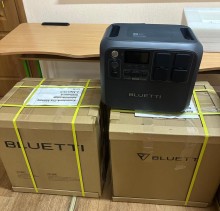
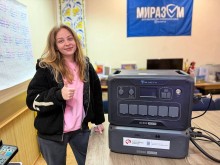
Primary healthcare facilities in the Kramatorsk, Sloviansk, and Druzhkivka communities received five 5-kW universal energy storage systems (ESS) from the World Health Organization (WHO) Regional Office (consisting of a hybrid inverter, a battery, and a control system to ensure autonomous power supply).
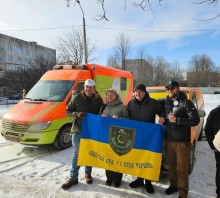
The Regional Center for Emergency Medical Care and Disaster Medicine received four modern ambulances from the international humanitarian organization “PROJECT HOPE” with financial support from the U.S. Government. In addition, healthcare facilities in the Sloviansk and Sviatohirsk communities received various medical kits, medical supplies, consumables, and medications totaling 1.7 million UAH, while the hospital in the Kramatorsk community received 179 suture and surgical kits.
Supporting critical infrastructure remains a priority in cooperation with international organizations. Assistance is provided to regional and local utility companies and institutions, as well as directly to local communities. Thus, during the first quarter of 2026, international institutions provided support to the largest water and heat suppliers in the Donetsk region—namely, the municipal enterprise “Voda Donbassa” and the regional municipal enterprise “Donetskteplokomunenergo”—in the form of machinery, equipment, reagents, generators, and other items totaling nearly 25 million UAH.
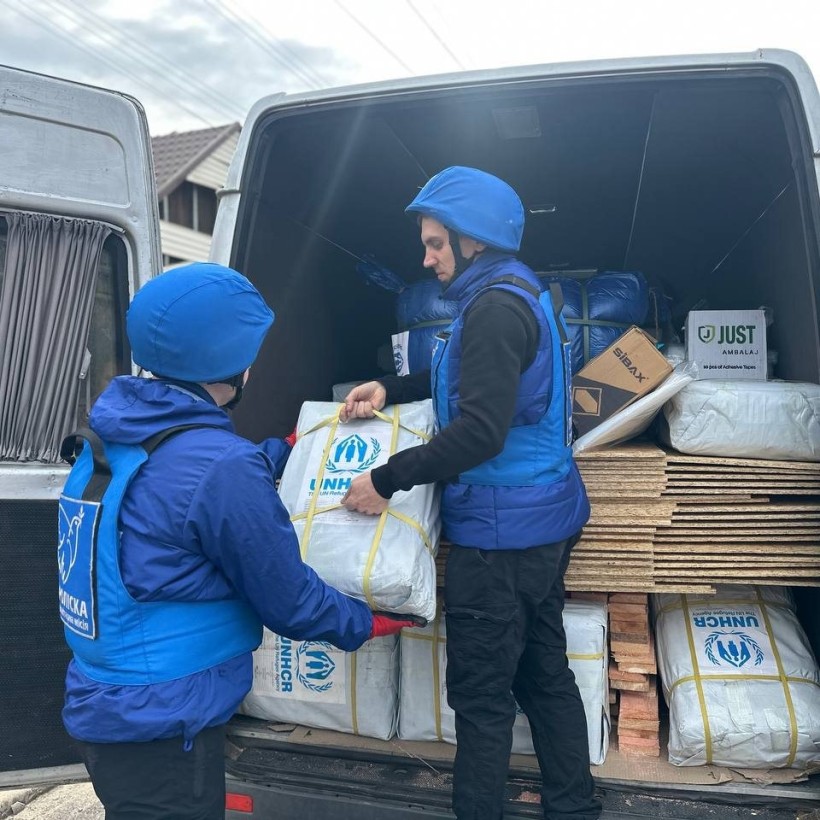
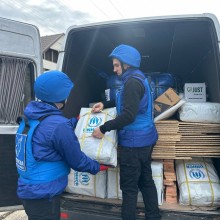
The delivery of humanitarian convoys by the Office of the United Nations High Commissioner for Refugees (UNHCR) remains critical to ensuring timely assistance to the population of frontline communities in Donetsk Oblast. Given limited access to basic services and ongoing security risks, these convoys enable the rapid delivery of essential resources—food, water, hygiene supplies, and more.
During the first quarter of 2026, three humanitarian convoys were delivered to Svyatogorsk, Raigorodok, and Novodonetsk, carrying non-food items, hygiene kits, medical kits, and other supplies. The assistance reached 2,600 people.
Providing assistance to IDPs served at humanitarian hubs/centers in the Donetsk region is essential for meeting their basic needs and ensuring decent living conditions. It is precisely these locations, in 19 safer regions of Ukraine, that serve as the first points of support for IDPs, where people receive humanitarian aid, information support, and access to social services.
In this regard, active support has been provided by the International Organization for Migration (IOM). IOM volunteers have distributed over 12,000 different types of kits (hygiene, winter, kitchen, and family kits), 2,700 solar lamps, 2,600 thermoses, and 37 sets of children’s clothing to more than 5,000 displaced persons across 9 hubs in the Dnipropetrovsk region.
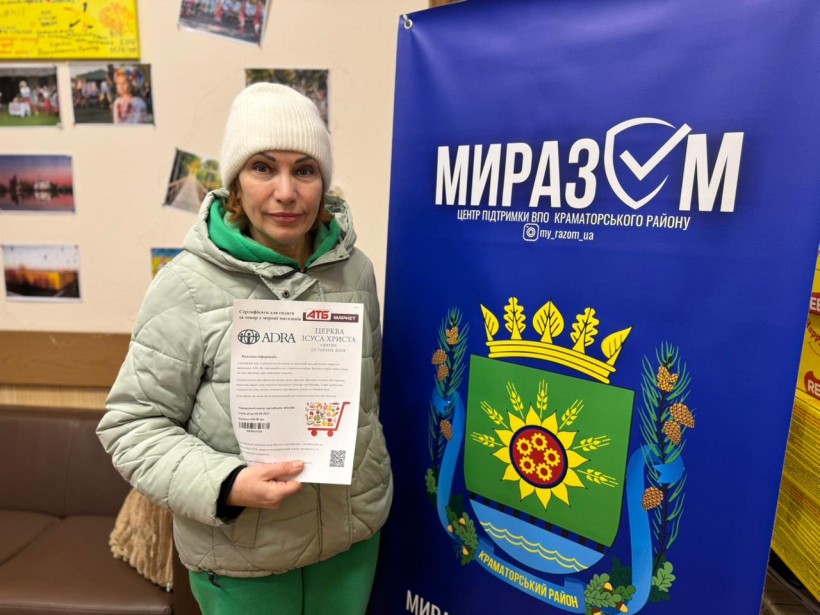
Additionally, vulnerable groups of internally displaced persons (IDPs) registered with the “We Are Together” IDP Support Center in the Kramatorsk District and the “We Are Donetsk Region” Humanitarian Hub in Pokrovsk can receive vouchers from the charitable organization “ADRA Ukraine” to purchase food and essential goods at the ATB chain. In the first quarter of this year, 1,200 such certificates have already been issued. This format of assistance allows people to independently choose what is most necessary for their families. This not only facilitates the prompt provision of basic needs but also supports the economic activity of those affected by the war.
Resilience Centers are a vital component of the civil protection system for the population remaining in the region, and their proper functioning ensures that community residents have access to essential services, including heating, electricity, communications, water, and first aid.
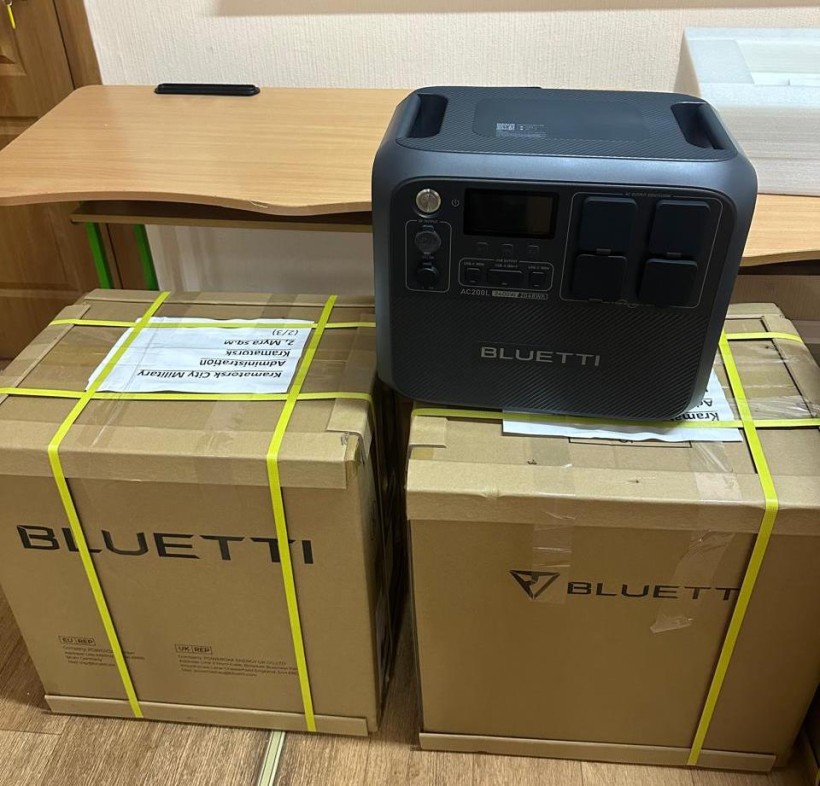
The Danish Refugee Council delivered aid to resilience centers in eight communities in the region, consisting of 1,500 hygiene and household items, 12 charging stations, 51 heating units, and 1,200 power banks.
The communities of Novodonetsk, Andriivka, Oleksandrivka, Kramatorsk, and Mykolaiv received 45 charging stations from the Office of the United Nations High Commissioner for Refugees (UNHCR) to ensure the uninterrupted operation of resilience centers during emergency and scheduled power outages.
In addition, the Druzhkivka community received four generators, which will help increase the energy self-sufficiency of critical infrastructure facilities and ensure the ability to respond promptly to emergencies caused by enemy shelling.
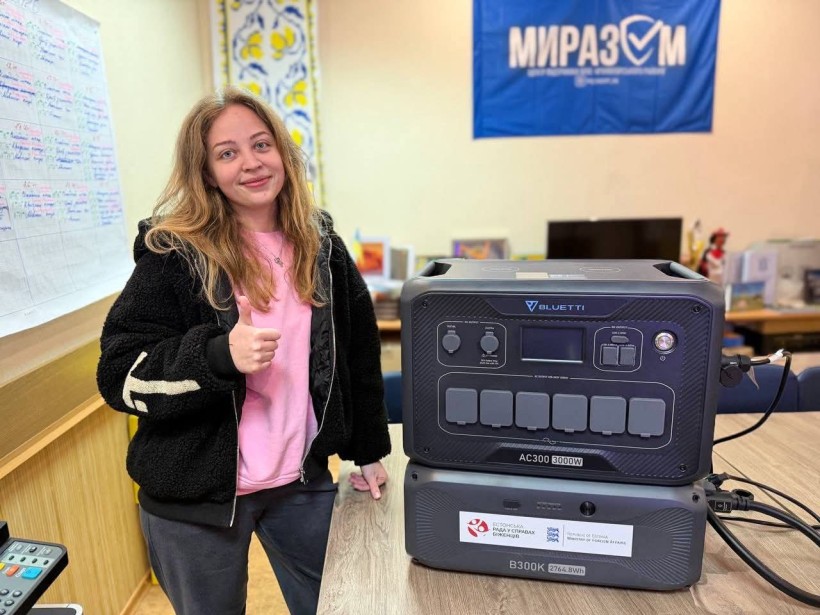
The Estonian Refugee Council donated 15 generators and 23 charging stations to resilience centers in the Oleksandrivka, Dobropillia, Sloviansk, Kramatorsk, Mykolaiv, Druzhkivka, and Novodonetsk communities. Two more charging stations were delivered to the humanitarian hubs of the Pokrovsk community and the Kramatorsk district, and two charging stations were provided to support the work of the Commission for the Consideration of Issues Regarding Compensation for Damaged and Destroyed Property in the Myrnohrad community.
As part of a collaboration with the “People in Need” branch, with financial support from the European Union, the Druzhkivka community received 400 winter kits, including electric blankets, food thermoses, flashlights, thermal blankets, portable gas stoves, and more.
As part of the international technical assistance project “Partnership for a Strong Ukraine” Foundation, Phase 2 (PSU-2), funded by the Government of the United Kingdom of Great Britain and Northern Ireland, the Novodonetsk, Kramatorsk, and Cherkasy communities received 26 generators, 14 charging stations, and over 100 tool kits.
The equipment received will facilitate a rapid response to potential power outages, support the operations of utility companies, enable emergency repair work, ensure the stable operation of resilience centers, and enhance the safety and well-being of community residents.
Finding new donors is a top priority in establishing cooperation with international partners. Over the past three years, the regional state administration has established cooperation with the American nonprofit organization Ukraine Aid International, Inc. (UAI), which is dedicated to sourcing and delivering humanitarian aid to the civilian population of Ukraine. To ensure a more stable flow of aid and to facilitate direct support and cooperation, UAI has also initiated the establishment of sister-city relationships between Ukrainian and American cities. Today, thanks to this initiative, six communities in the Donetsk region have sister-city relationships with cities in the United States.
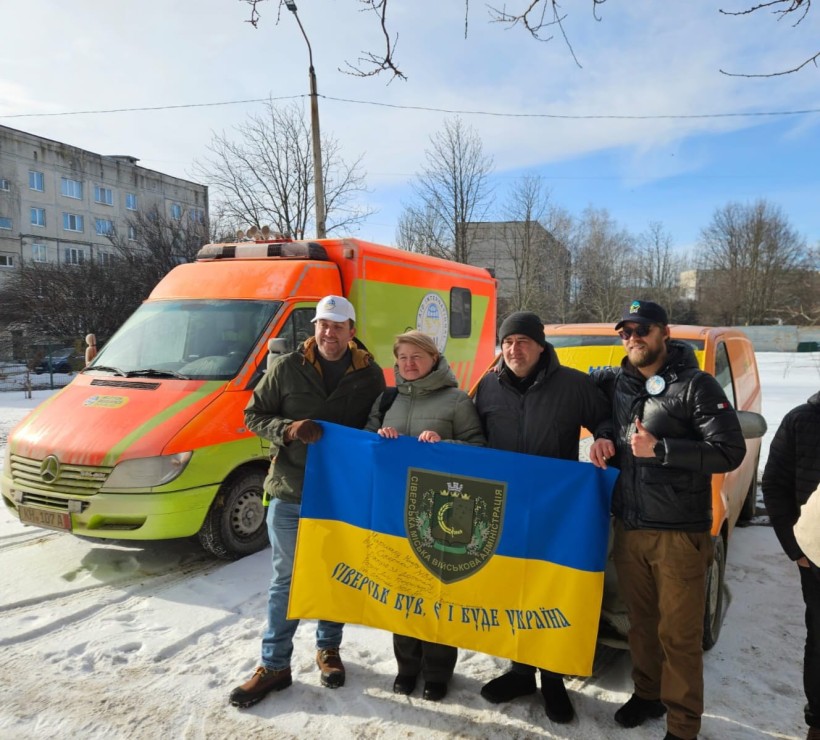
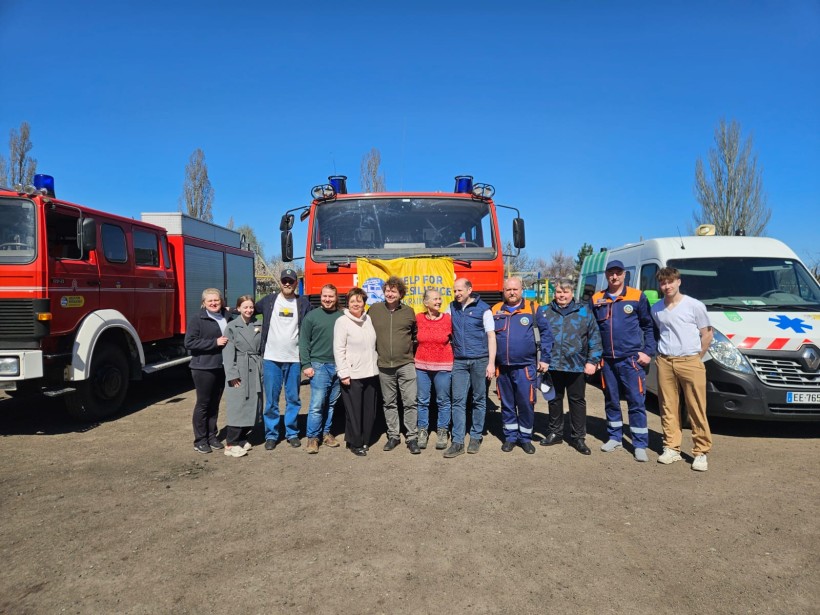
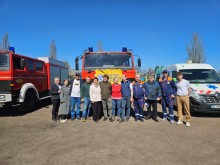
In the first quarter of 2026, in collaboration with the German charitable organization Help For Resilience Ukraine Aid e.V., humanitarian aid was delivered in the form of various vehicles, specifically: an ambulance, minibuses, and medical equipment for the Druzhkivka, Siverska, and Oleksandrivka communities. In addition, the Kramatorsk and Oleksandrivka communities received two fire trucks and an ambulance. This equipment is critically important for frontline communities, as it will enable rapid response to emergencies and ensure timely medical assistance.
We express our sincere gratitude to our international partners for their support during this difficult period for the entire country and look forward to continuing our effective cooperation to jointly address pressing issues and ensure stability in the Donetsk region. Project HOPE, in partnership with the United States Government and the Ministry