Viral hepatitis B is an infection that affects the liver and can be acute or chronic. The virus is most often transmitted through blood and other biological fluids, during unprotected sexual contact, through unsterile instruments (injections, tattoos/piercings/manicures), and from mother to child during childbirth or in early childhood. The majority of cases occur in adults, but children can also get sick, particularly through contact with blood, household risks, or other routes of transmission.
The WHO emphasizes that viral hepatitis B is highly contagious and can be 50–100 times more infectious than HIV.
Many cases of acute hepatitis B occur without jaundice or with minimal symptoms, so people often “carry on as usual,” do not seek medical attention in time, and may not know that they are a source of infection for sexual partners and close contacts. According to clinical data, approximately 70% of acute cases in adults are subclinical/anicteric, and about 30% develop jaundice. That is, for every 1 case of jaundice, there are approximately 2–3 anicteric/oligosymptomatic cases.
The greatest danger of hepatitis B is that it can “silently” progress to a chronic disease that destroys the liver over many years.
Infection in adults progresses to chronic hepatitis in less than 5% of cases, while infection in infants and young children progresses in approximately 95% of cases, so protection in childhood is critically important.
Chronic hepatitis B increases the risk of cirrhosis and primary liver cancer, and severe acute hepatitis can lead to liver failure. That is why prevention through vaccination is an investment in a child's health for decades to come.
The burden of disease is significant worldwide: The WHO estimates that in 2022, 254 million people were living with chronic hepatitis B, with approximately 1.2 million new infections occurring each year, and in 2022, hepatitis B caused an estimated 1.1 million deaths (mainly due to cirrhosis and liver cancer).
According to data from the Public Health Center of the Ministry of Health of Ukraine, 453 cases of acute hepatitis B and 1,386 cases of chronic hepatitis B were registered in Ukraine in the first 11 months of 2025.
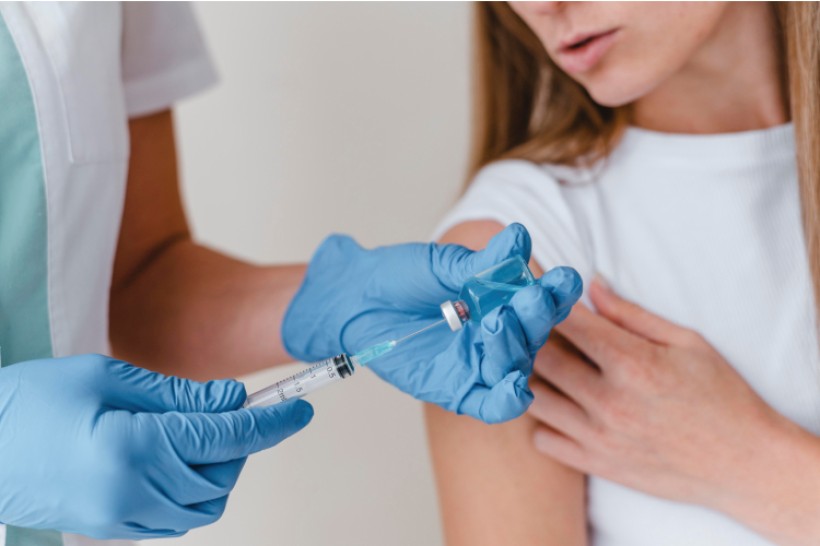
Vaccination is the most reliable way to prevent hepatitis B, as the vaccine is safe and effective and provides almost 100% protection. After a full course, immunity lasts for at least 20 years and probably for life, and booster doses are usually not necessary.
It is also important to know that vaccination against hepatitis B also protects against hepatitis D, which can only develop in the presence of hepatitis B infection.
From January 1, 2026, the updated Preventive Vaccination Calendar provides for vaccination against hepatitis B at 2, 4, 6, and 18 months (with the possibility of using combination vaccines to reduce the number of injections per visit).
In maternity hospitals, newborns from risk groups are vaccinated against hepatitis B on the first day of life (within the first 12 hours), even though the scheduled doses by age from 2026 start at 2 months.
Risk groups
In maternity hospitals, newborns from risk groups are vaccinated against hepatitis B on the first day of life (within the first 12 hours), even though the scheduled doses for this age group will start at 2 months from 2026.
Risk groups (requiring a “0-dose” in the maternity hospital) include newborns from mothers infected with hepatitis B or C viruses or suspected of being infected;
HIV-exposed children;
premature babies;
children with low birth weight (< 2000 g);
children who are likely to have contact with a person infected with hepatitis B or suspected of being infected (living together/care);
the newborn has a pathology that requires surgical intervention or the administration of blood products.
In such cases, along with vaccination, the administration of specific immunoglobulin against hepatitis B is indicated.
If a child has missed vaccinations or started vaccination according to the old schedule, you should consult a pediatrician/family doctor: the doctor will assess the doses already given and draw up an individual catch-up schedule.
Specialists from the Donetsk Regional Center for Public Health of the Ministry of Health conduct epidemiological surveillance of viral hepatitis B, analyze the coverage of the population with vaccinations against viral hepatitis B, and distribute the vaccine against viral hepatitis B among healthcare facilities in the Donetsk region.
You can find out about the availability of vaccines in medical institutions in the Donetsk region on the official website of the State Institution “DONETSK OCCPH of the Ministry of Health” at the link State Institution “DONETSK OCCPH of the Ministry of Health” https://dn.cdc.gov.ua/citizens/vaccination/