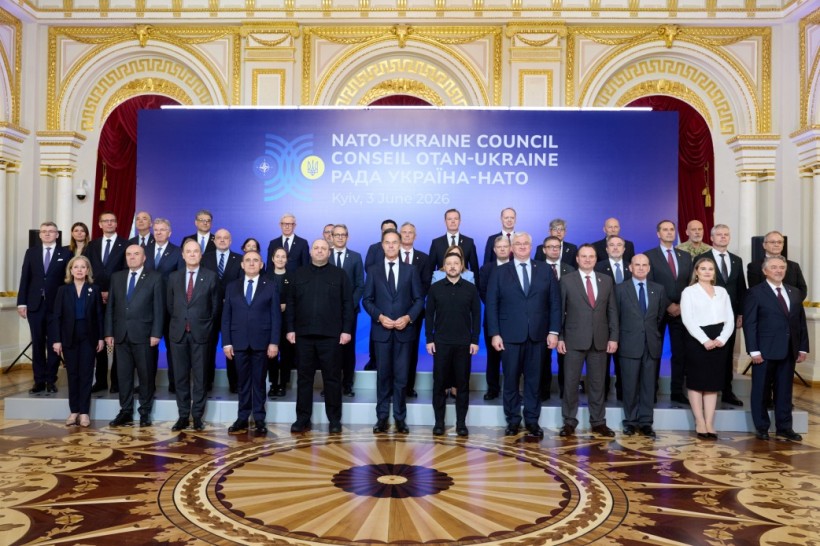
President of Ukraine Volodymyr Zelenskyy and NATO Secretary General Mark Rutte took part in the Ukraine–NATO Council meeting, which was held for the first time in this format in Ukraine. The meeting was attended by NATO Military Committee Chair Giuseppe Cavo Dragone as well as permanent representatives and deputy permanent representatives of all 32 Alliance member states.
The President thanked members of the North Atlantic Council for their visit to Ukraine and noted that it sends a signal to the Russian leadership following its statements that embassy staff should leave Ukraine.
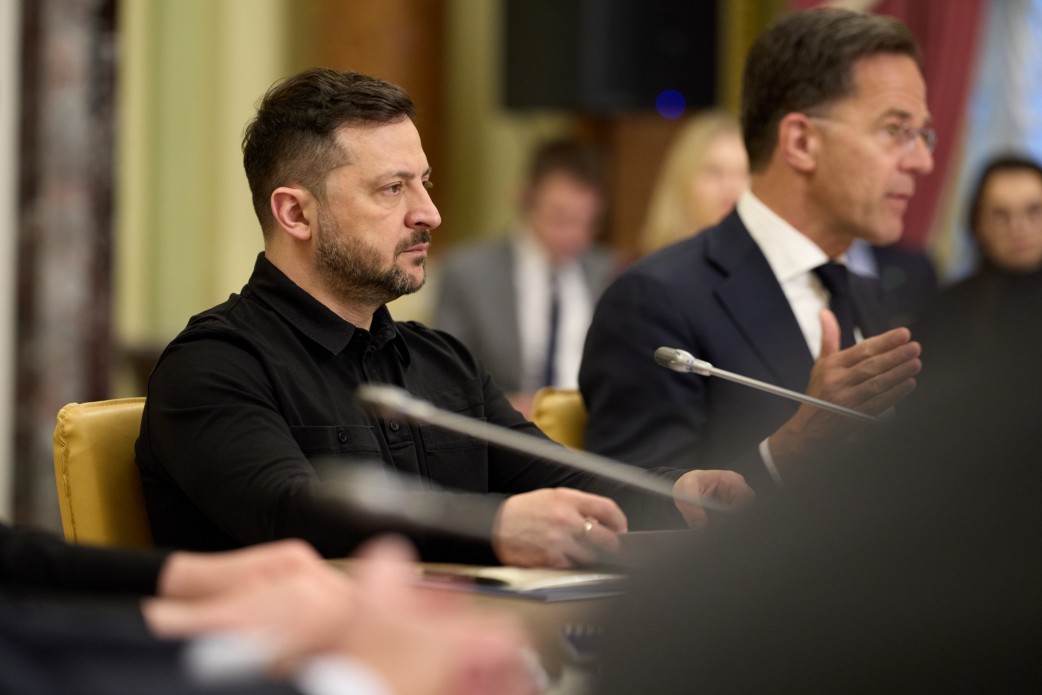
Volodymyr Zelenskyy stressed that Russia is capable of producing around 120 ballistic missiles per month, in addition to other types. At the same time, on the battlefield in May, the Russian Federation achieved almost no significant results. Russians are losing 30–35 thousand personnel per month, with around 63% killed and 37% severely wounded. This ratio has changed over the past year to year and a half.
According to the Head of State, Ukraine has achieved important results through its mid-range and deep strike capabilities. Russia is now facing a clear fuel shortage in the temporarily occupied territories of Ukraine and in some parts of central Russian regions, as well as serious disruptions to its logistics.
“Through this pressure, we are making Russia choose between diplomacy and further losses. It's important that Russia faces exactly this choice. And now, Russia has only one final argument left – ballistic missiles. Only one,” the Head of State stressed.
The President thanked partner countries and the NATO Secretary General for assistance in securing Patriot missiles under the PURL initiative. However, according to Volodymyr Zelenskyy, current volumes and delivery speeds are not sufficient.

“That's why the key thing we need to do together is ensure continued support for our air defense so that Ukraine can defend itself against both cruise missiles and ballistic missiles. There are enough missiles in the world to provide that protection. What is needed is a political will to make sure Ukraine receives them,” Volodymyr Zelenskyy stressed.
The Head of State noted that he recently sent a special letter to the President of the United States and members of Congress to address this issue, and called on those present to help secure a positive response.
The President also stressed that another key priority is continuing joint work on the development of anti-ballistic defense.
“We raised it with the previous U.S. Administration, and we continue to discuss it with the current one – namely, providing Ukraine with licenses to produce such systems, Patriot systems. And it's not only about Ukraine – it's to all the Europeans who have such capabilities to start and to produce it massively. Current Patriot production capacity is simply not enough to meet all the existing and potential threats around the world,” Volodymyr Zelenskyy said.
The Head of State added that Ukraine has already shown across many types of weapons that it can move fast and produce modern systems at scale.
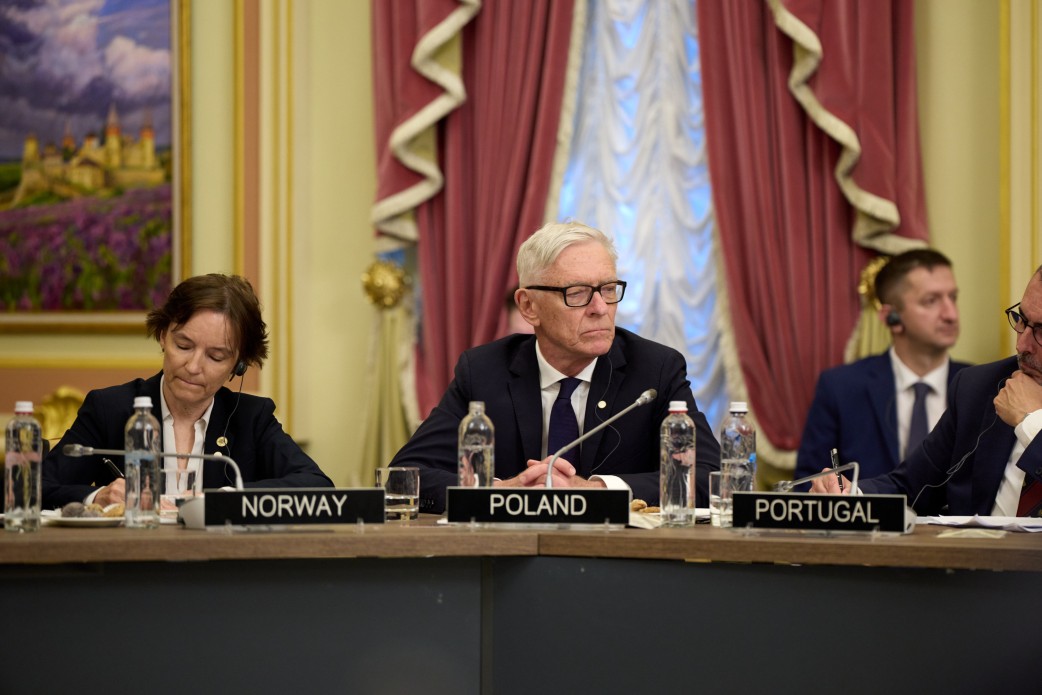
The President also stressed the importance of increasing defense spending and developing programs such as SAFE, as well as all formats of cooperation in weapons production.
“And especially important are our Drone Deals. We have already proposed them to the European Union and to a number of our partners and allies. And we should do everything possible to make these Drone Deals operational as quickly as possible. Sanctions against Russia also remain important. All of these efforts need to be as effective as possible, so that together they put enough pressure on Russia to make it end this war,” the President concluded.
Representatives of NATO member states condemned Russian aggression and reaffirmed their commitment to providing assistance to Ukraine and readiness to support our country on its path to Euro-Atlantic integration. They unanimously stressed the need to strengthen support for Ukraine in air defense, defense industry development, and integration into the wider European defense industrial base.
The decision to establish the Ukraine–NATO Council was taken at the Vilnius NATO Summit in 2023. Its inaugural meeting at the level of heads of state and government was also held then. The Council replaced the NATO–Ukraine Commission and raised the level of political relations between Ukraine and the Alliance.