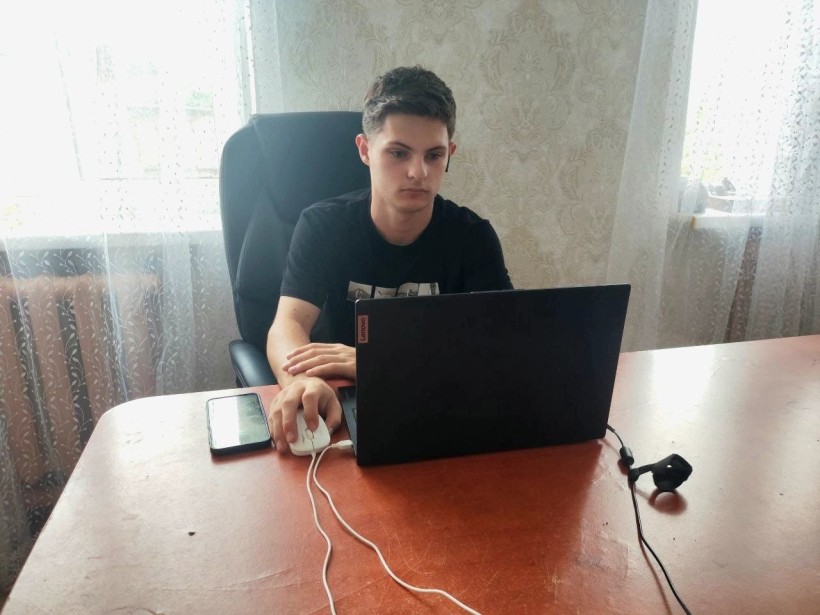





From July 2 to July 4, the Advocacy and Youth Policy Committee of the Youth Council under the Donetsk Regional State Administration conducted a series of focus group discussions involving 31 local youth councils (advisory bodies) across the region.
The initiative aimed not only to assess the current situation but also to identify the real challenges of relocation, determine priority topics for future educational activities, and develop an effective advocacy package to support youth leaders from the Donetsk region.
During the discussions, participants evaluated the performance of their youth councils over the past year. Despite the extremely difficult circumstances of evacuation and geographically dispersed teams, the average effectiveness score was 5.7 out of 10, demonstrating the resilience of the region's youth sector.
Key challenges identified by the survey
- Current Ukrainian legislation does not recognize the status of a "relocated youth council." Existing regulations apply only to councils operating under local self-government bodies, creating legal challenges when interacting with Military Administrations during relocation.
- The majority of active members in relocated councils are teenagers (ages 14–17) and university students (ages 18–22). People aged 25–35 often become less involved because they must prioritize finding housing, employment, and supporting their families. As a result, universal youth programs are often ineffective because the needs of teenagers differ significantly from those of adults with families.
- Young people relocated to smaller host communities often lack access to modern youth-friendly spaces such as youth centers, coworking spaces, and recreational areas that could support their adaptation and personal development.
The discussions also highlighted significant psychological challenges affecting relocated youth and their civic engagement:
- Working under constant uncertainty, coping with the experience of evacuation, and trying to maintain youth council activities remotely contribute to emotional exhaustion among youth leaders.
- Many young people fear being stereotyped or treated differently because of their status as internally displaced persons (IDPs). This creates barriers to building relationships with local peers and slows their integration into new communities.
- Relocated youth councils face the dual challenge of maintaining connections with their home communities while simultaneously integrating into their host communities.
Priority areas for future educational programs
Based on the findings, the Advocacy and Youth Policy Committee recommends focusing future educational initiatives on the following areas:
- Training on preventing burnout, overcoming socialization barriers, and building confidence in new environments.
- Practical training in conflict-free communication and advocacy for creating inclusive shared spaces together with host communities, shifting from the mindset of "we were not provided with opportunities" to "let's create them together."
- Developing skills to attract international donor support when funding from local budgets is limited or unavailable because of the war.
- Expanding successful digital coordination practices for geographically dispersed teams or developing a dedicated application to unite and address the needs of young people across the region.