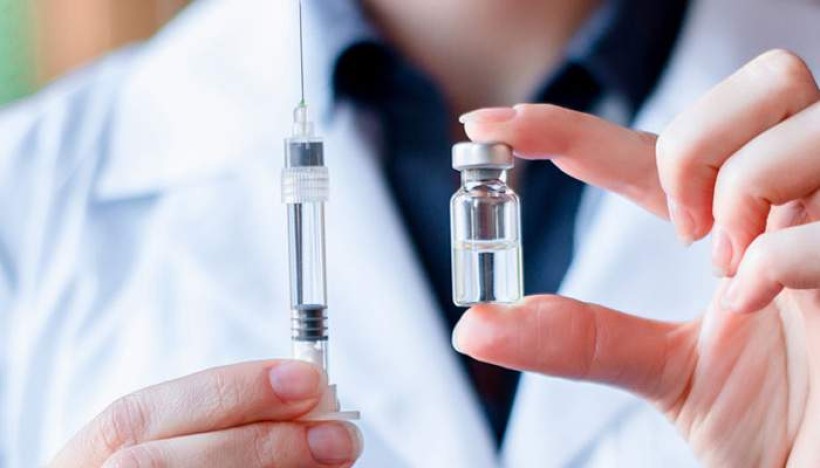
After vaccination, an exciting “military operation” begins in our body, but without any danger. The vaccine introduces the immune system to the pathogen or a part of it - and the body calmly learns how to fight this “enemy”.
Vaccines may contain:
- Live weakened microorganisms (for example, in the measles or rubella vaccine, tuberculosis);
- Inactivated (killed) microbes (for example, inactivated polio vaccine);
- Individual proteins or fragments of pathogens (for example, hepatitis B vaccine, some COVID-19 vaccines);
- Anatoxins are a special type of vaccine that do not contain the microorganisms themselves, but only neutralized toxins they produce.
What are anatoxins?
Some diseases - such as tetanus or diphtheria - are caused not by the bacteria themselves, but by their toxins. In such cases, vaccines are created on the basis of anatoxins, which are toxins that have been specially processed to lose their toxic properties but retain their structure. The immune system, reacting to the anatoxin, learns to quickly neutralize the real toxin if it enters the body.
After the vaccine is administered, regardless of its type, the immune system begins to produce antibodies and activates special cells that memorize the pathogen. Thanks to this, if a person is faced with a real infection, the body will instantly recognize the threat and neutralize it before the onset of symptoms or prevent a severe course of the disease.
Immunity after vaccination can last from several years to lifelong protection, depending on the type of vaccine. That is why it is so important to follow the vaccination schedule and get revaccinated on time - especially for anatoxins, where protection decreases over time (for example, diphtheria and tetanus vaccinations should be renewed every 10 years).
And importantly, the more people who are vaccinated, the less chance there is for diseases to spread in the community. This creates a herd immunity that protects even those who cannot be vaccinated for medical reasons. To build herd immunity, vaccination coverage should be 95% or more.
Vaccination is not just a shot, it is an investment in the health of every child, every family, and the entire country.
All preventive vaccinations for children according to the calendar in Ukraine are provided free of charge, at the expense of the state budget. You can find information on the number of vaccines available in health care facilities in Donetsk Oblast on the website of the Donetsk Regional Center for Public Health at the link
SE “DONETSK RECPC OF THE MINISTRY OF HEALTH”