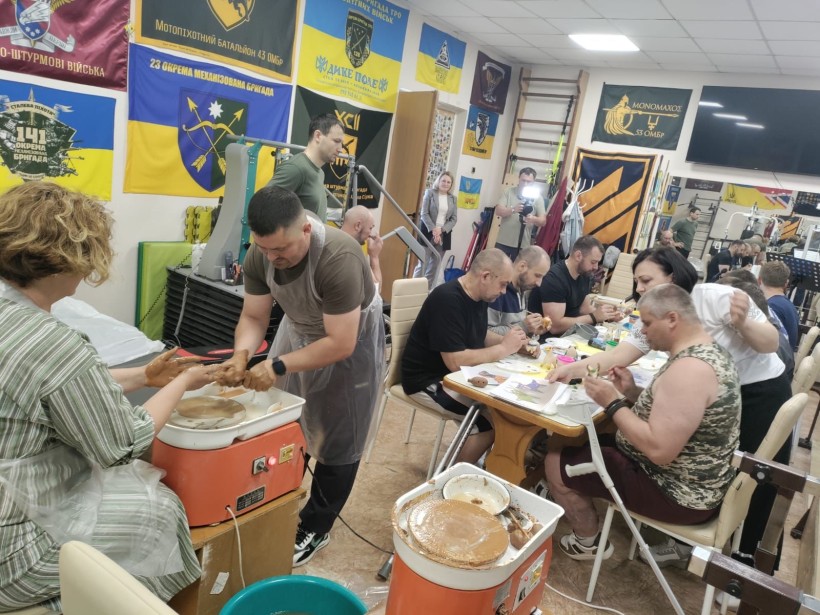
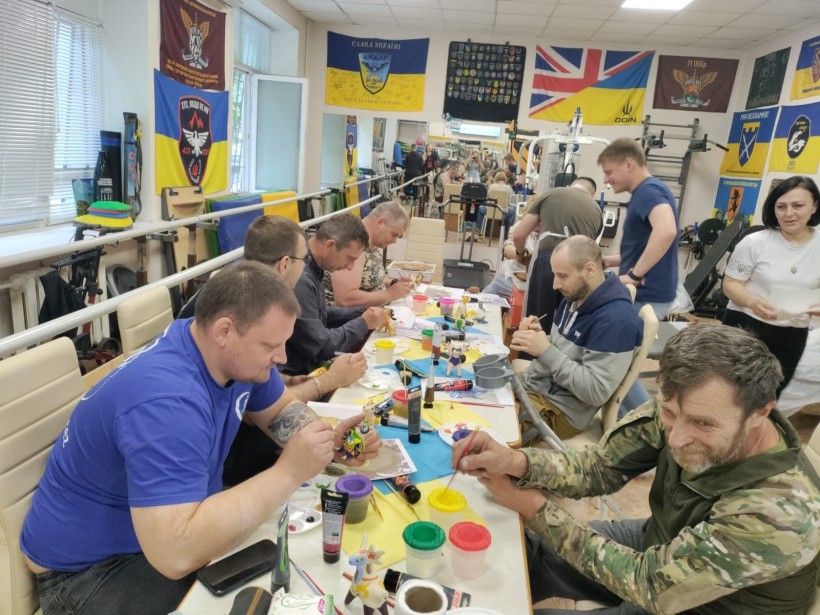
Today, an art therapy workshop on painting folk musical instruments – clay whistles – took place at the Dnipro.protez venue.
The event was held as part of National Accessibility Week – an initiative that highlights the importance of creating a society of equal opportunities, respect, support and openness for everyone. After all, accessibility is not just about physical space, but also about the opportunity to be heard, to feel supported, and to have access to culture, creativity and genuine human interaction.
The event was based on a living Ukrainian tradition that has been preserved for many years by the Museum of Folk Architecture, Life and Children’s Creativity in the village of Prelesne – a branch of the Donetsk Regional Art Museum. This is a place where folk culture is not merely a museum artefact, but continues to live on through crafts, creativity and human interaction.
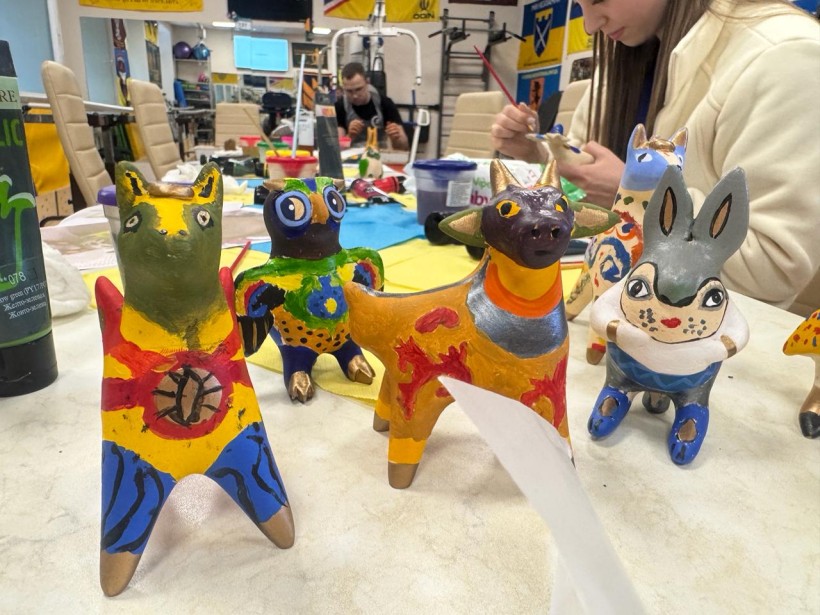
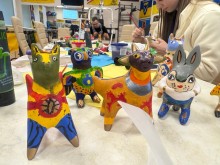
The museum’s permanent collection houses works by Olga Berdnyk-Otnyakina, a folk artist from Cherkasy region, who has devoted many years to preserving the traditions of Ukrainian folk ceramics and folk toys. Especially for the event, Ms Olga created clay whistles – small folk musical instruments that have long been an integral part of Ukrainian culture. In the past, such whistles were considered talismans and symbols of life, and their melodious sound always evoked the voice of nature, spring and the warmth of the native land.
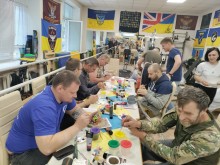
During the masterclass, participants painted the pieces in a folk style, filling them with colour, patterns and their own emotions. Working with clay and folk painting provided an opportunity to experience inner peace, focus and support through art.
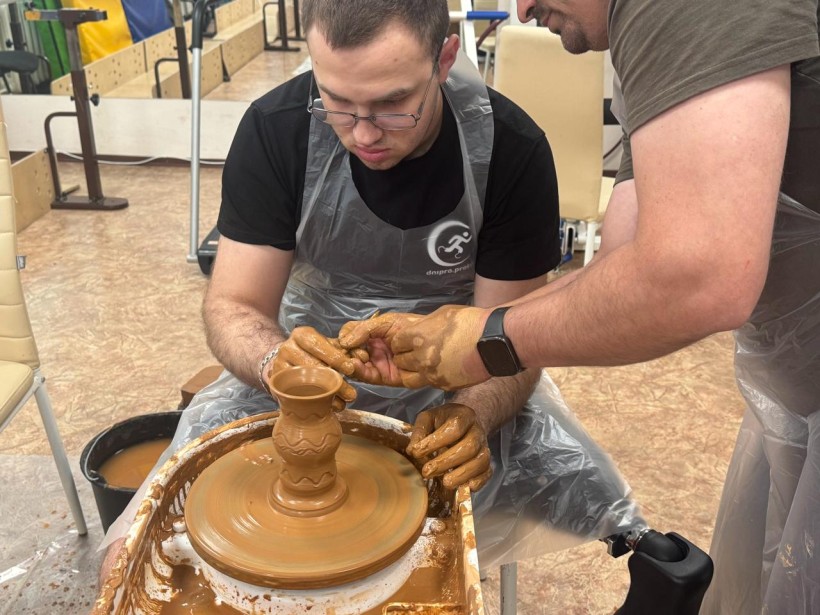
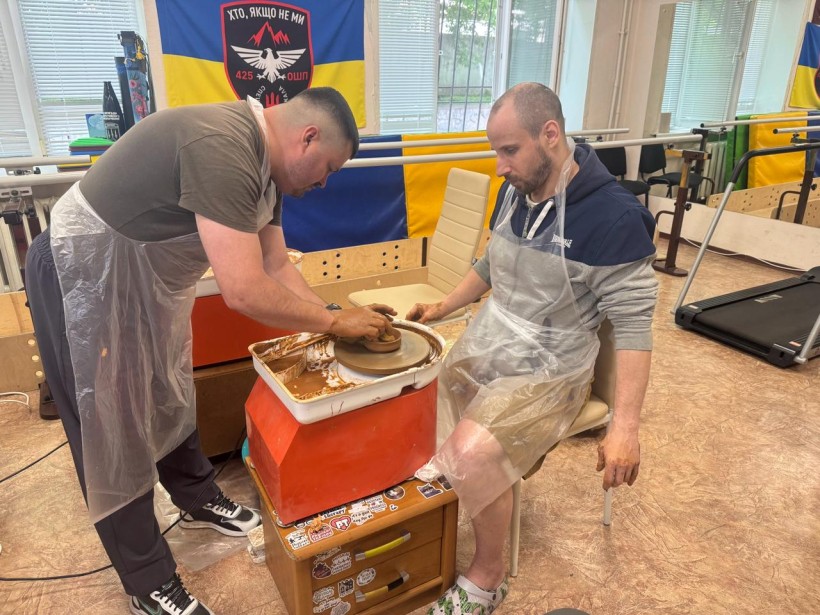
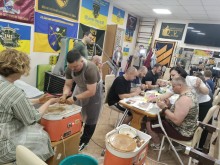
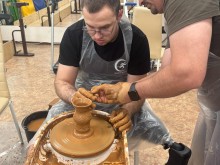
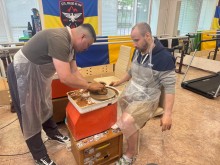
A separate part of the event was an interactive pottery zone featuring master decorator Hennadiy Subotnytskyi – a potter from Dnipro – who introduced participants to the traditional craft of working on the potter’s wheel. Under the master’s guidance, anyone who wished had the opportunity to try their hand at shaping clay pieces, to feel the unique qualities of this natural material, and to master the basic techniques of centring and shaping.
The musicians created a special atmosphere for the event, their live music adding genuine emotion, warmth and a sense of unity. Music, folk art, pottery and creative interaction on this day brought all participants together in a shared space of memory, culture and emotional renewal.
Today, traditional folk culture is not merely part of our heritage – it is becoming a language of support that helps people find inner strength, feel the power of their own roots and maintain a living connection with the culture of their people.