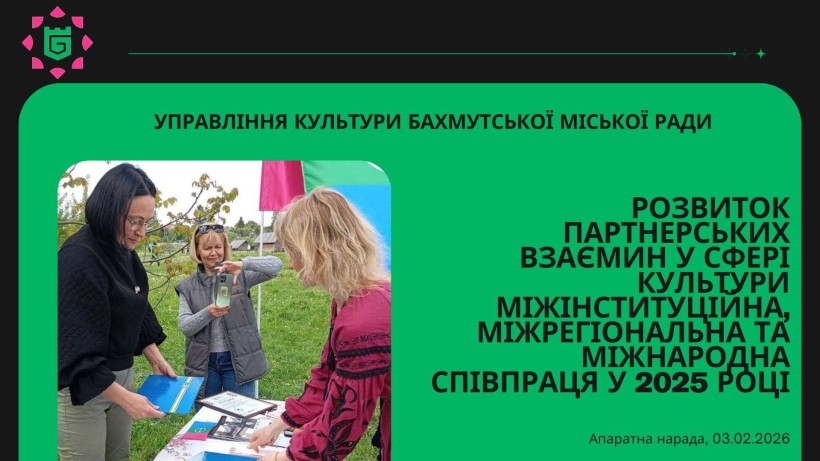
In 2025, one of the priority areas for the development of the Bakhmut territorial community was the development of inter-institutional, interregional, and international cooperation in the field of culture.
In the context of full-scale war and community relocation, the partnership made it possible to ensure the continuity of cultural life, support social cohesion, and preserve the cultural identity of Bakhmut residents.
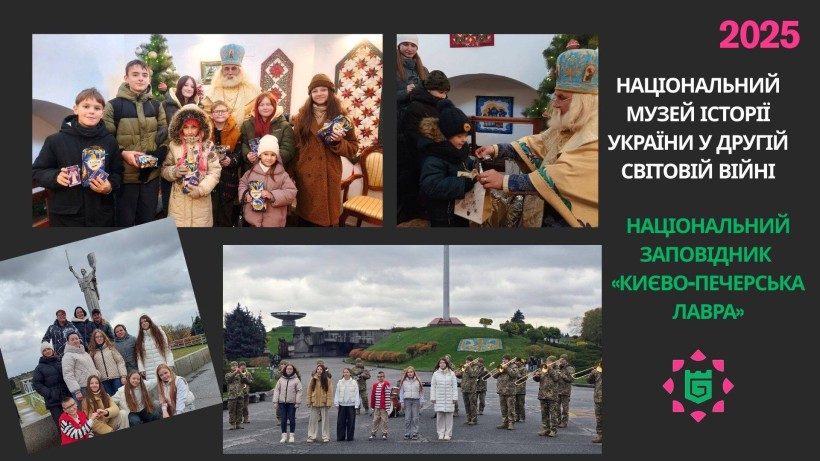
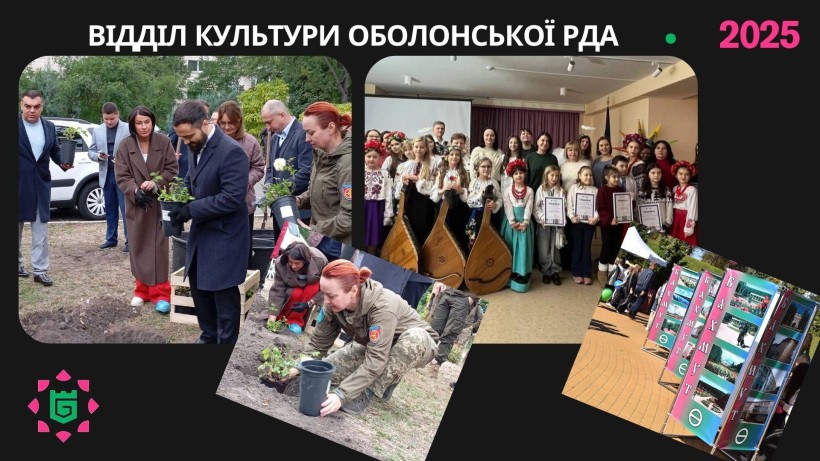
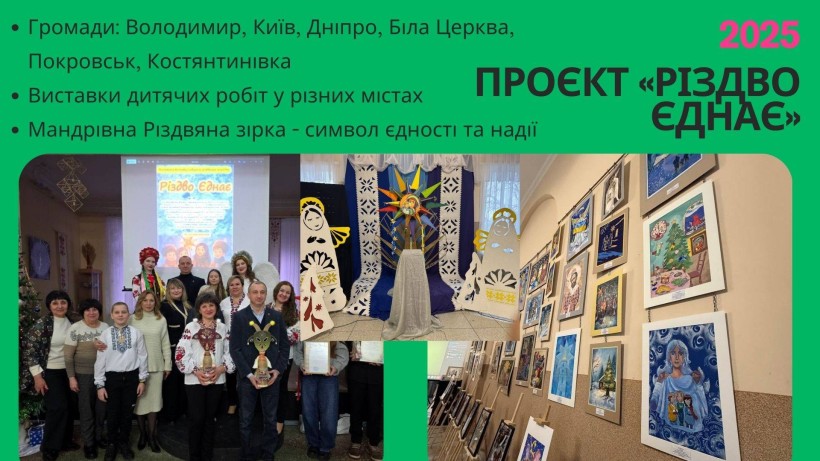
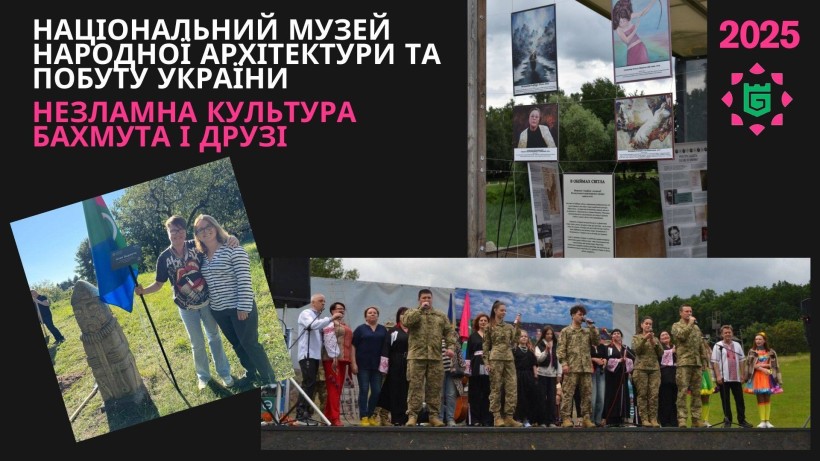
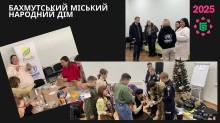
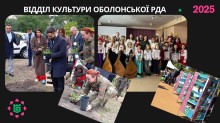
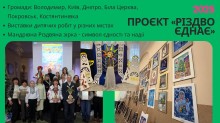
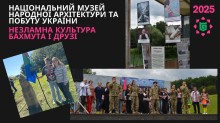
Throughout the year, a number of joint cultural, artistic, and educational initiatives were implemented with national cultural institutions and communities in Ukraine. In particular, interregional events, exhibition projects, cultural exchanges, and programs for children and internally displaced persons were held in Kyiv, Dnipro, Lviv, Khmelnytskyi, Volodymyr, Bila Tserkva, and other cities.
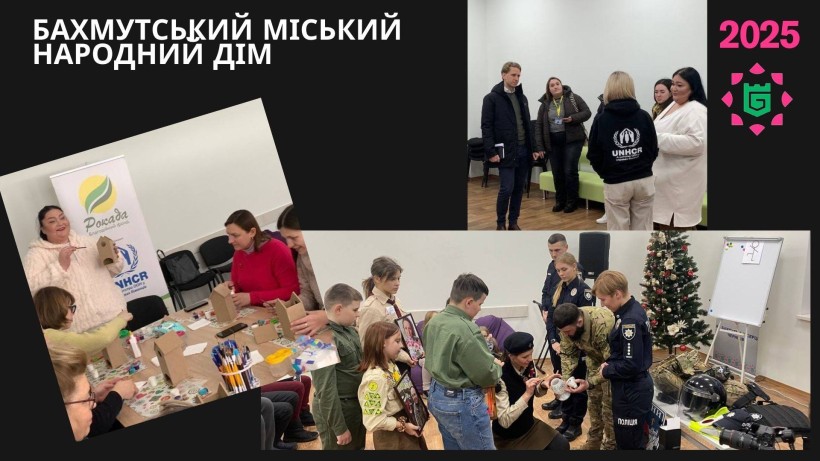
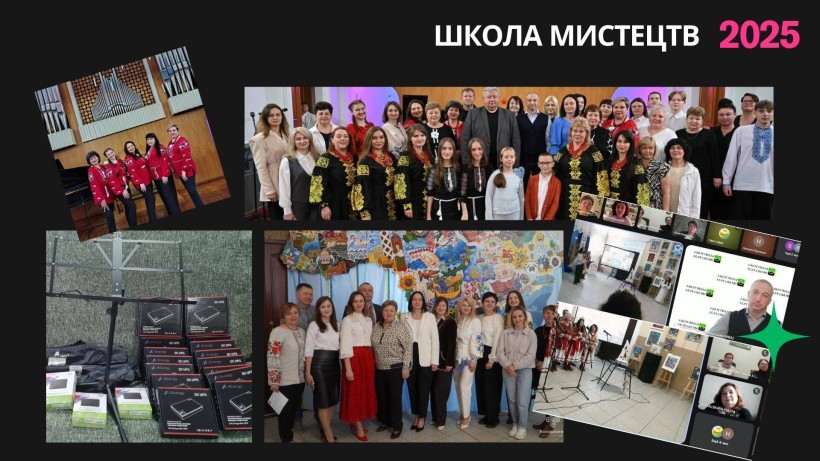
Cultural institutions in the Bakhmut community actively participated in international projects and grant programs, in particular with the support of international foundations and partners. Within the framework of cooperation, additional resources were attracted, technical equipment was obtained to support the educational process, and cultural diplomacy initiatives were implemented abroad.
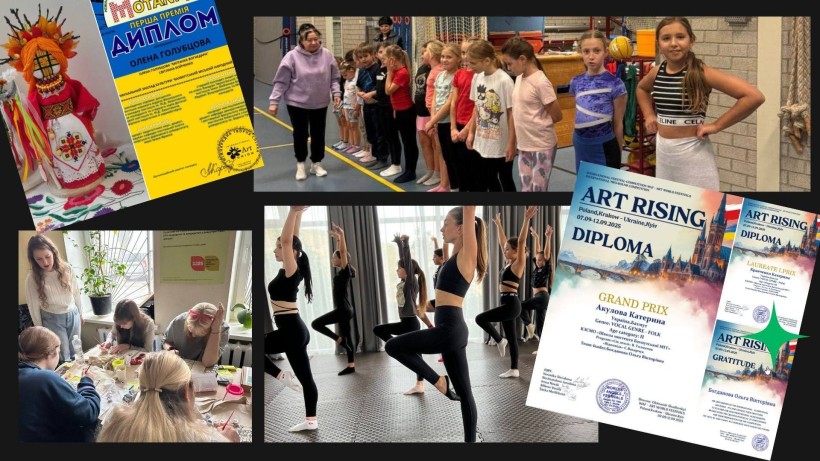
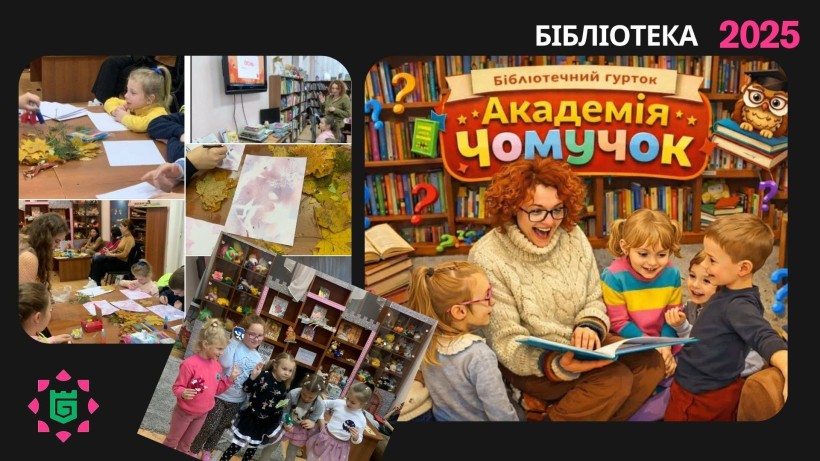
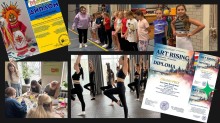
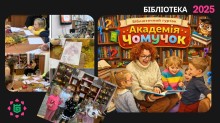
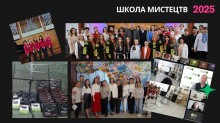
Particular attention was paid to museum, library, and art activities, the digitization of cultural heritage, and the work of creative groups, which participated in dozens of national and international competitions in 2025.
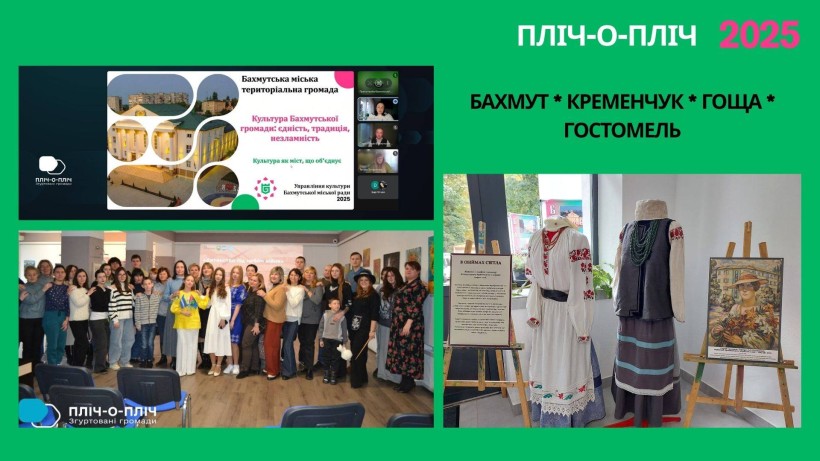
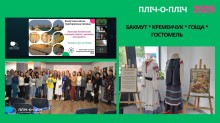
Within the framework of the national project "Side by Side: United Communities," cooperation with partner communities (Kremenchug, Goshcha, and Gostomel) was deepened, and joint cultural events, exhibitions, and presentations were held.
The expansion of partnerships in 2025 became an important foundation for the further development of the cultural sphere of the Bakhmut community and the formation of a sustainable support network in wartime.
Based on materials from the Bakhmut City Council