Ukrainian Statehood Day is not only a national holiday but also an opportunity to reflect on the path the Ukrainian people have traveled through the centuries in their struggle for the right to be masters of their own land. From the times of Kievan Rus’ to the present day, Ukrainian statehood has been shaped by the courage, resilience, and dedication of many generations who have preserved our language, culture, traditions, and aspiration for freedom.
Today, as Ukraine continues to defend its independence and sovereignty, Ukrainian Statehood Day takes on special significance. This holiday symbolizes the historical continuity of the Ukrainian nation, the unity of society, and faith in the future. It reminds us that statehood is not merely about institutions and borders, but first and foremost about people—their responsibility, dignity, and readiness to defend their homeland.
On this day, we honor those who built the Ukrainian state in the past and express our gratitude to all those who are bringing us closer to our Victory today, strengthening the country through their work, service, and unshakable faith in Ukraine.
On the occasion of Ukrainian Statehood Day, we had the opportunity to speak with our contemporaries who have made a significant contribution to the restoration and strengthening of Ukrainian statehood in the Donetsk region.
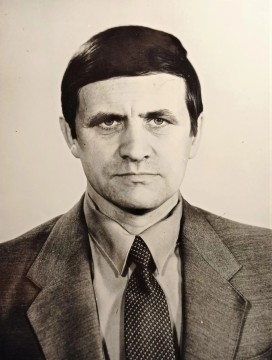
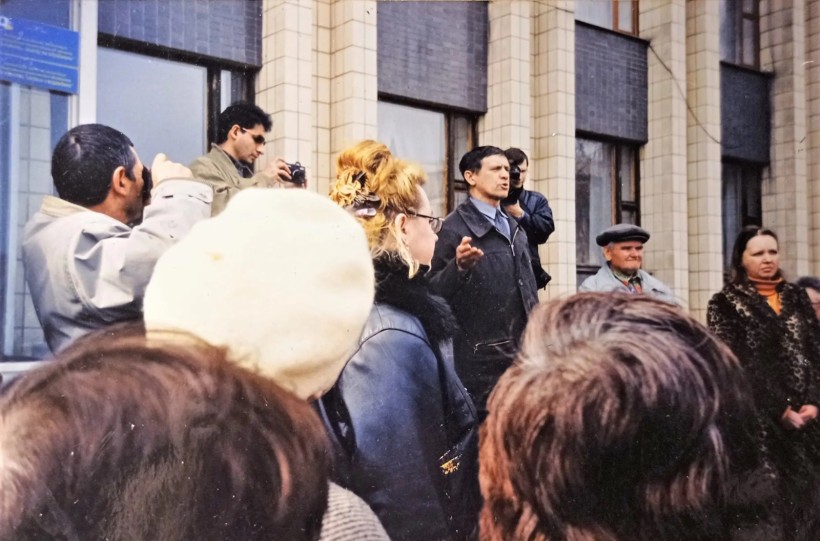
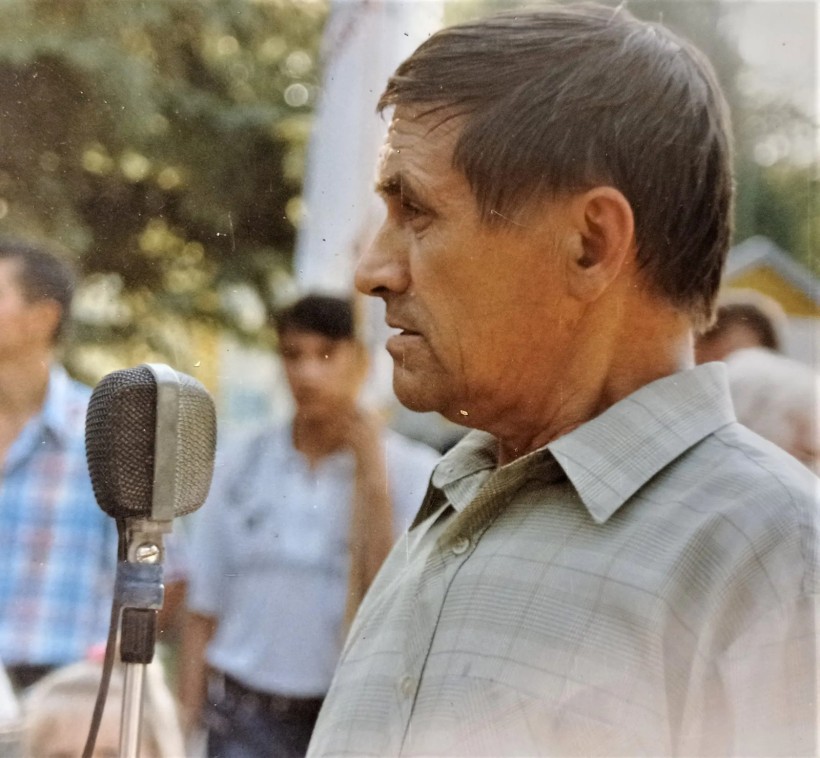
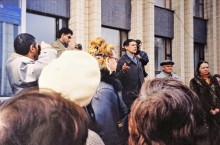
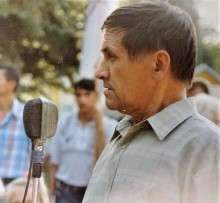
One of them is our contemporary, journalist Ivan Birchak. He is now 82 years old. Although he was born in the Carpathian region, Ivan has lived in Bakhmut for nearly half his life. It was he who founded an independent newspaper named after the city’s historical name, even though at that time the town was called Artemivsk. The place name was restored in 2016 as part of the decommunization process.
Ivan Birchak later launched the educational newspaper *Nashe Slovo* (Our Word). It was the first Ukrainian-language newspaper in Bakhmut. Together with his colleagues, he founded the political club “Poshuk” (Search). He promoted the ideas of publicists, members of the 1960s generation, and civic and political figures—including Dmytro Pavlychko, Ivan Drach, and Volodymyr Yavorivsky—who adhered to the principles of the “People’s Movement of Ukraine for Perestroika” (NRU). It was the largest national-democratic organization, which became the main driving force in the struggle to restore Ukraine’s state independence.
— Ukrainian statehood is the result of centuries of history. How do you see the connection between today’s events in the Donetsk region and the deep historical roots of statehood in Ukraine?
— Ukrainian statehood has ancient roots dating back to the times of Kievan Rus’—the glorious era of the princes, when Kyiv was the center of a powerful state that united the Slavic tribes. It was then that the foundations of political organization, culture, law, and Christianity were laid—values that remain our foundation to this day.
Then, at the origins of our statehood, came the Cossack era, especially the Zaporizhzhia Sich—a symbol of will, the struggle for freedom, self-governance, and national unity. The Cossacks were not only warriors but also bearers of culture, education, and democracy within their communities. It was during those times that the first attempts to create an independent Ukrainian political structure emerged.
— How does the history of the Cossacks inspire people in your region today?
— This historical legacy is very important for the Donetsk region, even though it is located in the east of our country. The memory of the Cossacks and their struggle against oppression gave strength to people who were learning to defend their rights at the end of the 20th century and continue to do so today. The Cossacks were a symbol of the defense of freedom, and for us, they are an example of indomitable spirit, independence, and love for our homeland.
— How do you assess the significance of the history of statehood for the formation of national consciousness in the 1980s and 1990s in the Donetsk region?
— At a time when the Ukrainian movement was reviving, there was much talk about our history. People began to see themselves as heirs to the Cossack traditions and the grand princely statehood of Kievan Rus’. Against the backdrop of complex political and social changes, this helped bring people together and sustain the aspiration for independence.
The revival of the Ukrainian language and culture, along with books on the history of the times of Volodymyr the Great, Bohdan Khmelnytsky, and Ivan Mazepa, played a major role in shaping a new national identity. These figures inspired people to fight and gave them hope.
— What historical symbols do you see today on Ukrainian Statehood Day?
— Ukrainian Statehood Day is a holiday that bridges the past and the present. It serves as a reminder that Ukraine did not come into being overnight, but has traveled a long path from the era of the princes, through the heroic Cossack era, to the modern independent state.
This day honors a statehood that has withstood centuries of trials and has been preserved thanks to countless generations of Ukrainians who fought for freedom and the right to live in their own country.
— How do these deep-rooted historical traditions influence your work and life?
— Especially in our region, where various influences converged, a sense of our cultural roots helped us preserve our identity and continue the struggle for truth and statehood.
We, as journalists and civic activists, felt a responsibility to the generations of our Cossack and princely forefathers who fought for freedom. It was from their spirit that we drew strength for our actions during perestroika, independence, and later, during the challenges of 2014.
— What does Ukrainian Statehood Day mean to you?
— This holiday is not just an official date, but a reminder of the long and difficult path our country has traveled to gain freedom and independence. It is a day of gratitude to those who fought and continue to fight for our nation, and to those who rebuild it every day. Especially in regions with a complex history, such as Donetsk Oblast, it is important to remember that independence is our shared value and responsibility.
— Do you see changes for the better today?
— Yes, of course. National consciousness in Ukraine is growing. People are becoming more aware of their history and culture. Many organizations and communities are working to promote the Ukrainian language and traditions. But the journey is not over. We need to strengthen statehood, develop society, and remember the value of freedom.
— What do you see as the main challenges today in preserving and developing Ukrainian statehood?
— The most important thing is to remember our history, nurture national consciousness, and support our language and culture. In our time, this also means standing up for sovereignty and territorial integrity, and safeguarding democracy and human rights.
Today, Ukrainian Statehood Day reflects many years of struggle, victories, and losses; it is a celebration of our shared will and inspiration. It is our duty to carry on this history with dignity.
— Thank you for such a profound and inspiring conversation.
— Thank you as well. It is important that such holidays remind us of our great journey and strengthen our faith in Ukraine’s future. It is also important to preserve our memory and continue working for the good of Ukraine.