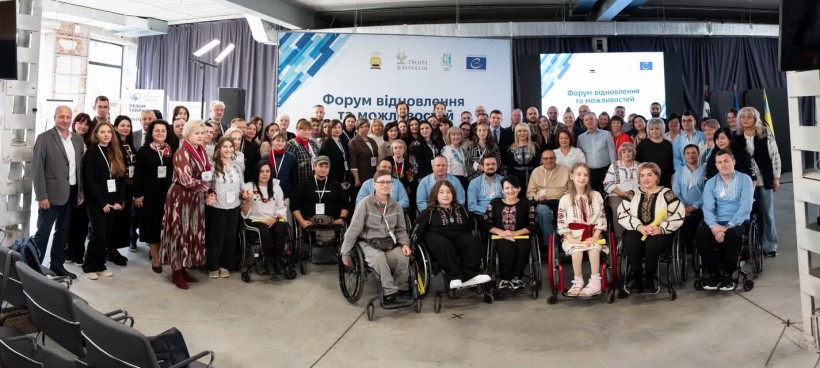
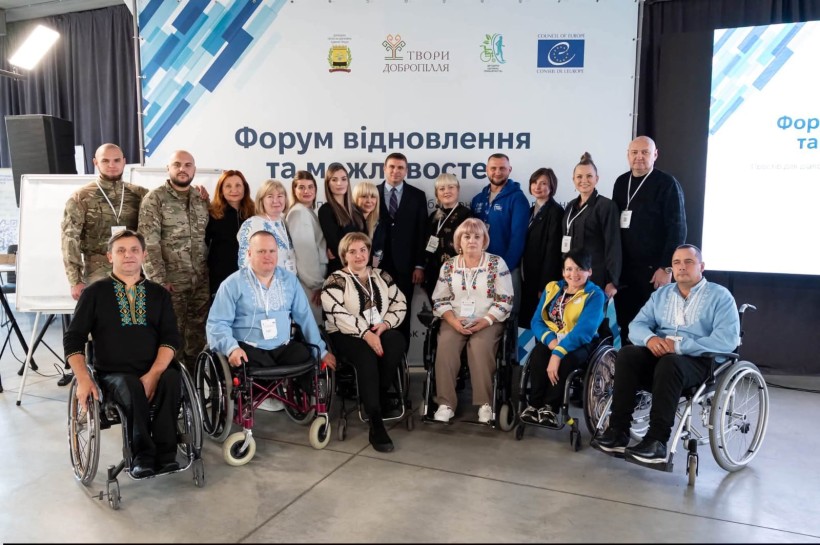
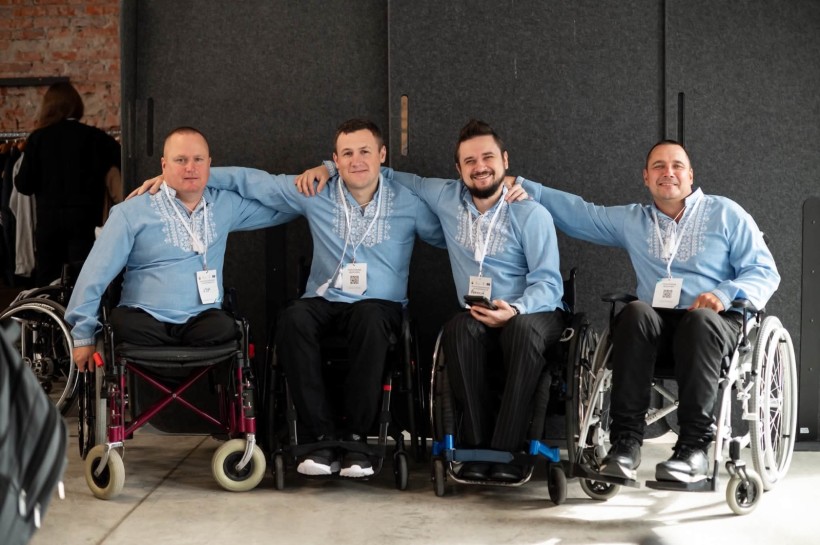
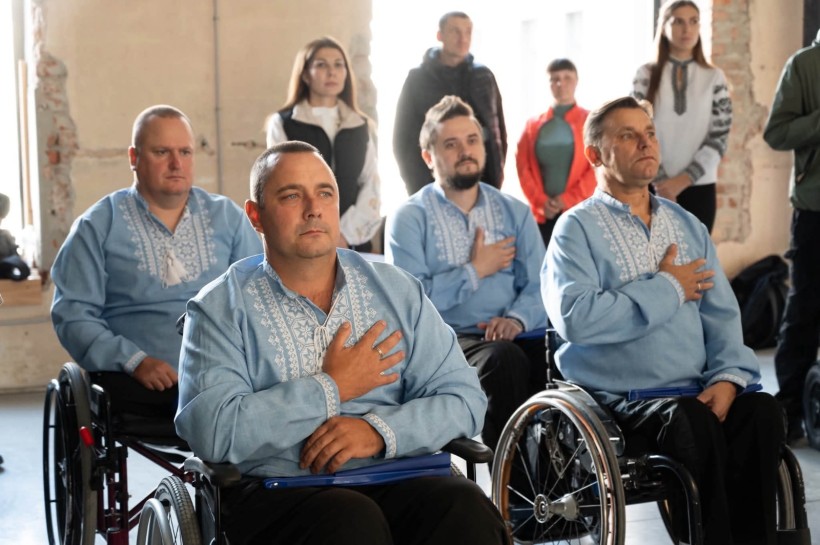
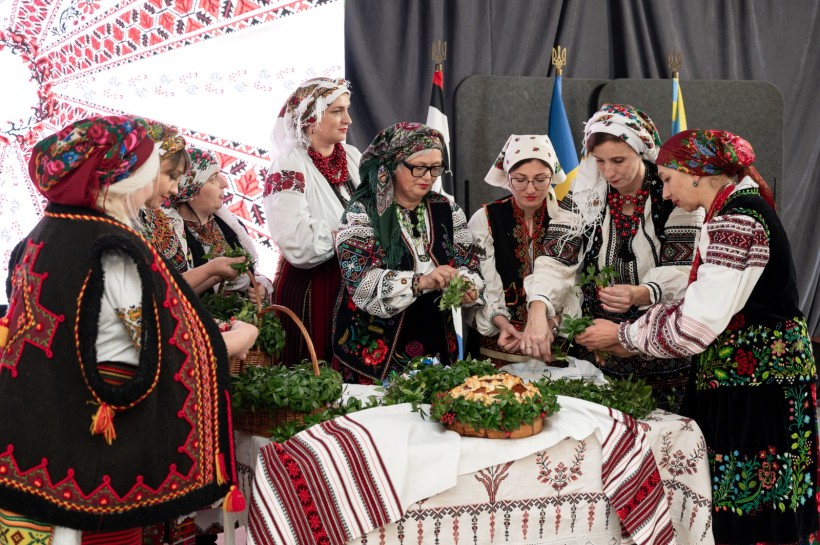
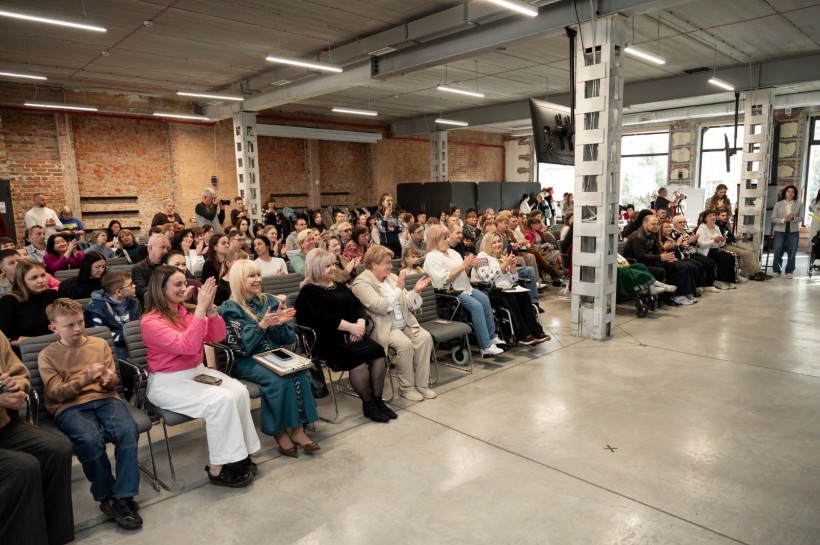
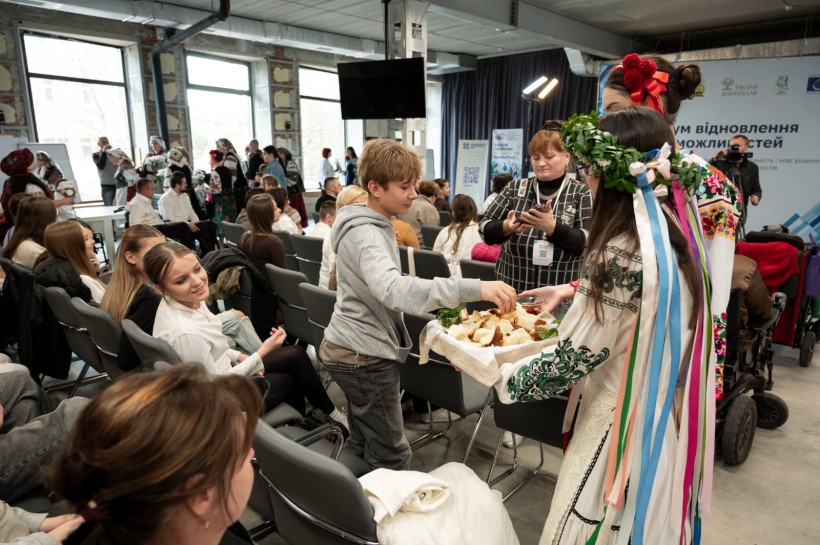
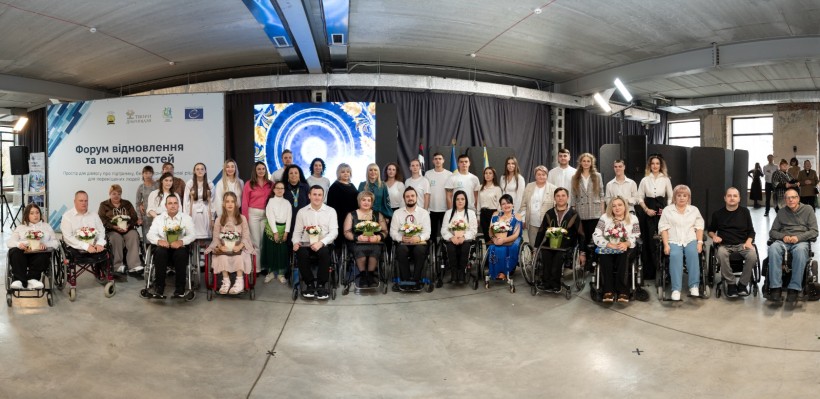
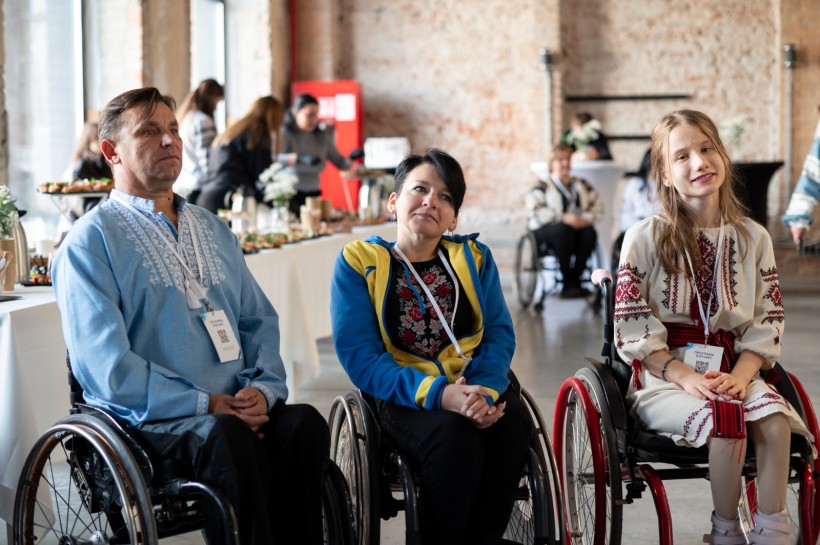
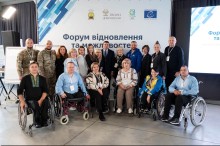
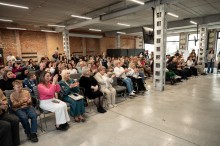
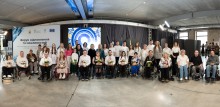
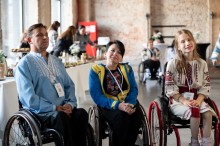
On October 14–15, 2026, the “Promprylad. Renovation” Innovation Center in Ivano-Frankivsk hosted an inclusive “Forum on Recovery and Opportunities” dedicated to supporting internally displaced persons with disabilities from the Donetsk region, developing an accessible environment, and strengthening interregional cooperation.
The event was organized by the NGO “Tvory Dobropillya” and the State Rehabilitation Institution “Donbas-Prykarpattia Center for Comprehensive Rehabilitation of Persons with Disabilities,” with financial support from the Donetsk Regional State Administration and the Council of Europe, as well as support from the host community in Ivano-Frankivsk.
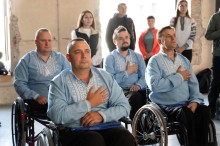
The forum was attended by representatives of the Donetsk and Ivano-Frankivsk regional state administrations, local government bodies, agencies in the fields of health care, social protection, culture, youth, and sports, civil society and charitable organizations, social service providers, rehabilitation specialists, activists from the Donetsk and Carpathian regions, as well as internally displaced persons from the Donetsk region, including people with disabilities and veterans.
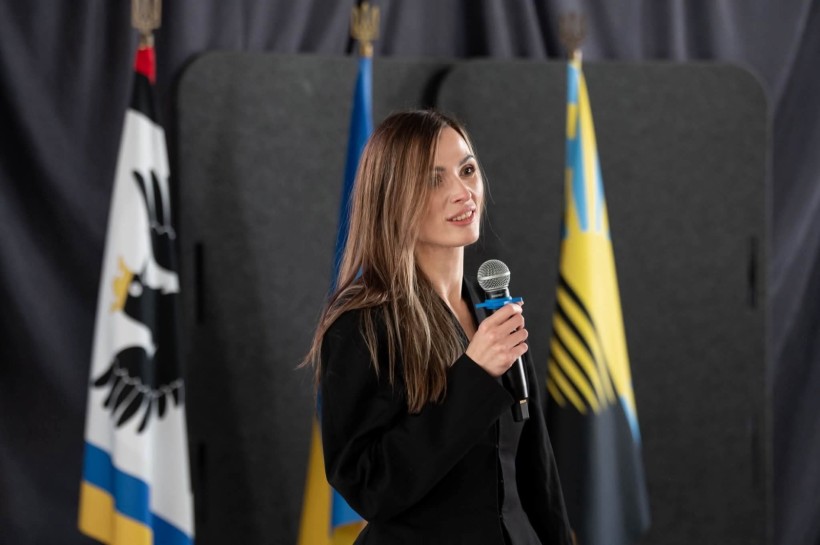
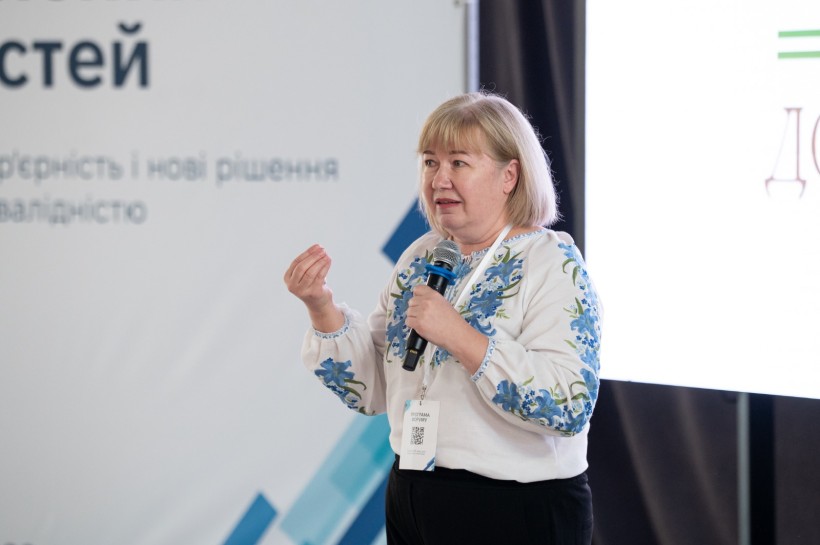
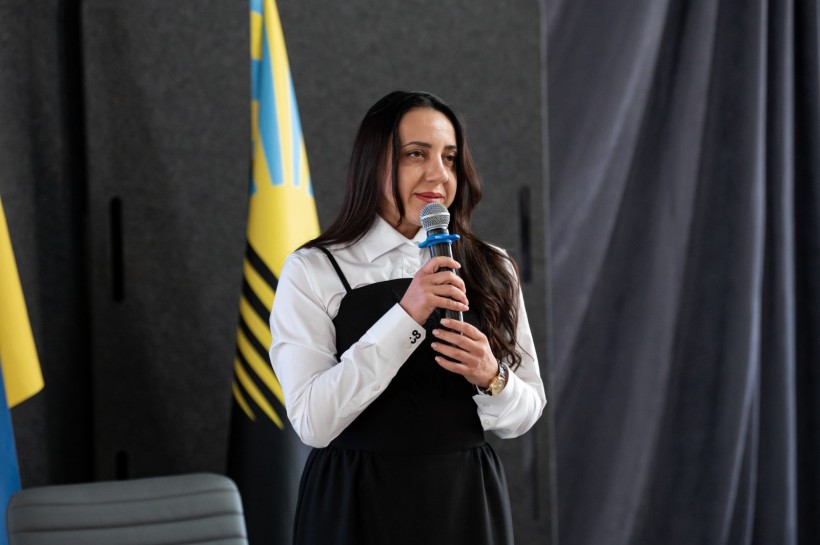
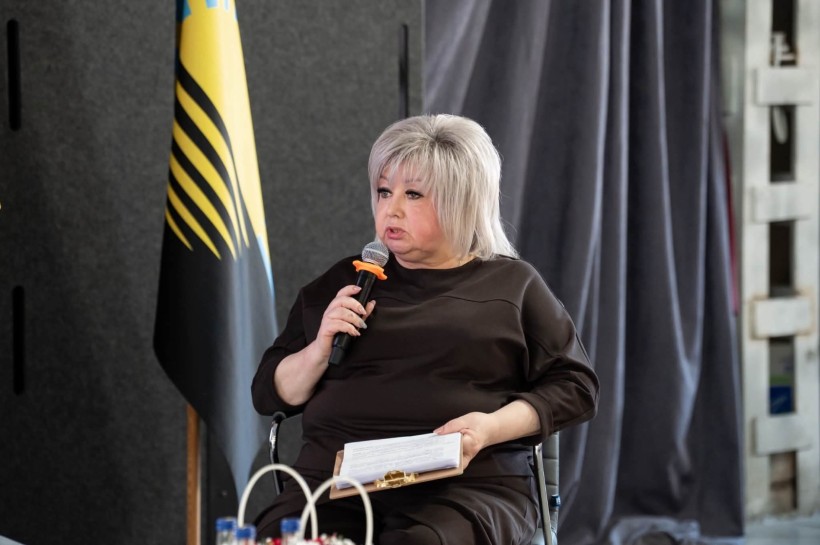
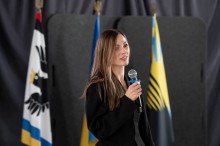
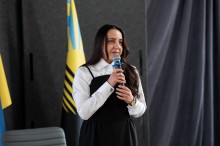
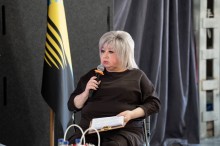
The participants were welcomed by Oleksandra Zhuravel, Chief of Staff of the Donetsk Regional State Administration and the Regional Military Administration; Lyudmyla Sirko, Deputy Head of the Ivano-Frankivsk Regional State Administration; and Marina Kucherenko, a representative of the NGO “Tvory Dobropillya.”
The forum focused not only on the needs of internally displaced persons from Donetsk Oblast, but also on cooperation between Donetsk Oblast and the Carpathian Region, the exchange of experiences, and the joint search for solutions that will help people with disabilities adapt to life in their new communities and receive the necessary support.
There are 111,060 officially registered internally displaced persons in the Carpathian region, including 15,310 from the Donetsk region—700 of whom are people with disabilities. This underscores the need for accessible social and medical services, rehabilitation, and comprehensive support, especially for veterans adapting to civilian life.
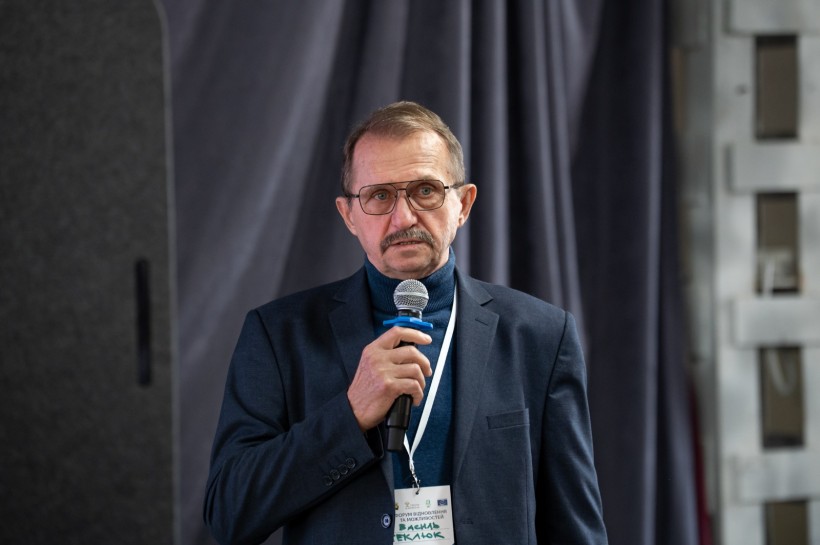
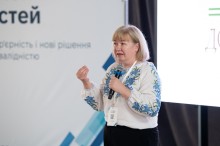
On the first day of the forum, participants discussed issues related to the evacuation, adaptation, and support of people with disabilities in host communities. Vasyl Teklyuk, Head of the Department of Urban Planning and Architecture at the Donetsk Regional State Administration, presented approaches to barrier-free planning for IDPs from the Donetsk region in evacuation situations, while Oleksandra Boichuk, Director of the Department of Health at the Ivano-Frankivsk Regional State Administration, shared her experience working with displaced persons with disabilities.
Particular attention was drawn to the story of Andriy Hlyoza, a veteran and defender of Mariupol who was released from Russian captivity, as he spoke about forced displacement, starting a new life, and the challenges faced by veterans with disabilities.
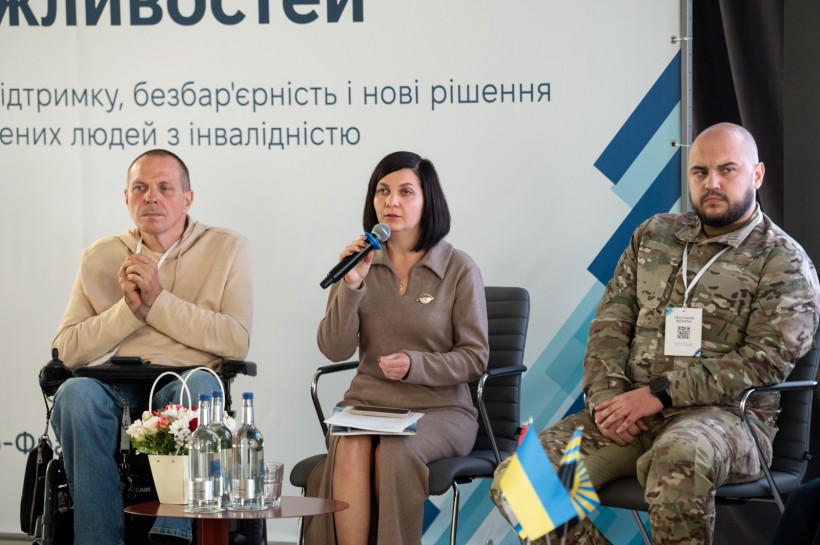
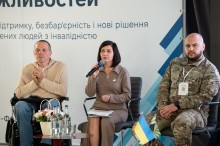
The highlight of the event was a panel discussion titled “Coordinating Cooperation and Referrals for Internally Displaced Persons with Disabilities from the Donetsk Region.” Participants discussed providing information to evacuees, coordinating government and civil society service providers, mechanisms for referring people to appropriate institutions, and incorporating the experiences of people with disabilities themselves into the improvement of the support system.
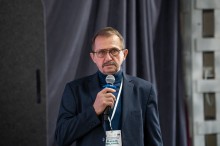
Participants in the discussion included Olena Tokareva, Director of the Department of Social Protection of the Population at the Donetsk Regional State Administration; Galina Pasichnyk, Deputy Director of the Department of Social Policy and Head of the Division for Social Support of Internally Displaced Persons at the Department of Social Policy of the Ivano-Frankivsk Regional State Administration; Andriy Tsarytsenko, Regional Director for the Kharkiv Region of the “Right to Protection” Charitable Foundation; Oleksandr Zhulchenko, Head of the NGO “All-Ukrainian Association ‘Right to Life’” and representative of the Donetsk Region Network of Civil Society Organizations; Mykola Makar, representative of the Government Commissioner for the Rights of Persons with Disabilities at the Ivano-Frankivsk Regional State Administration; Oleg Khailo, Executive Director of the “All-Ukrainian Foundation ‘The Path of the Unconquered’” Public Union; and Natalia Korchak, representative of the “Pravopolis” NGO, the Ukrainian Women’s Movement of Donetsk Oblast, and coordinator of the “Women’s Voices and Leadership: A New Force” project in the Donetsk region.
After discussing the study’s findings, participants worked in groups focused on “Awareness” and “Accessibility”: they identified problems, shared experiences, and developed joint solutions.
The second day of the forum was devoted to strategic planning for service organizations’ activities over the next three years. Participants identified priorities for improving access to information and services, developing an accessible environment, and strengthening cooperation among organizations. The recommendations developed will be taken into account when drafting the Roadmap for Civil Society Organizations in Donetsk Oblast for 2026–2027.
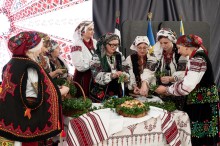
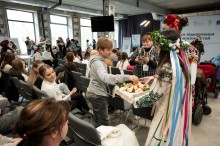
The forum concluded with a festive gala concert titled “Endless Possibilities,” which brought participants together around creativity, strength of spirit, and faith in their own abilities.
Performances included a number by Snizhana and Volodymyr Kernychny, Honored Masters of Sports of Ukraine and six-time world and European champions in wheelchair dance; a performance by Yelyzaveta Harkavets, Ukrainian champion in variety and sports dance; a fiery cha-cha-cha performed by Angelina Skachko, a representative of the “Warrior’s Wife” NGO, as well as a performance by Yegor Gorishniy—a finalist and medalist in All-Ukrainian competitions and a ballroom dance coach. Other participants also showcased their talents.
The forum served as an important platform for dialogue between the Donetsk region and the Carpathian region, government agencies, the civil society sector, and people with disabilities. This collaborative effort made it possible to identify priorities and develop recommendations for future interregional cooperation.