
At a time when the information space is shaping a new reality, Donetsk Oblast is confidently asserting itself as a region with deep cultural roots and a territory of modern approaches to its preservation.
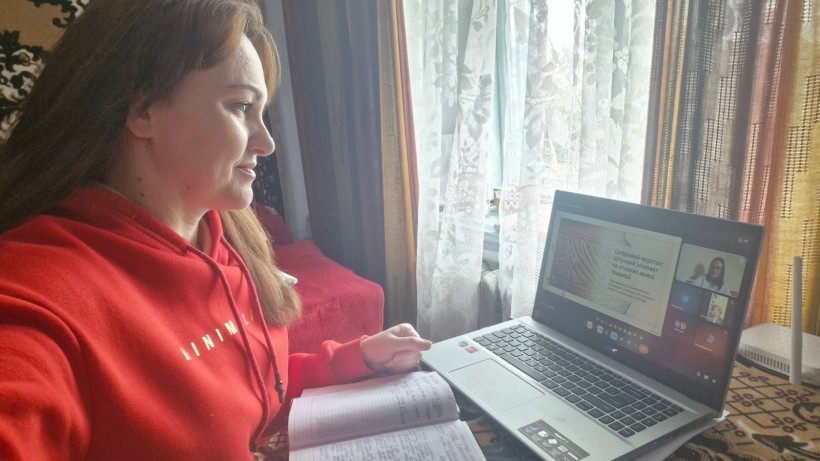
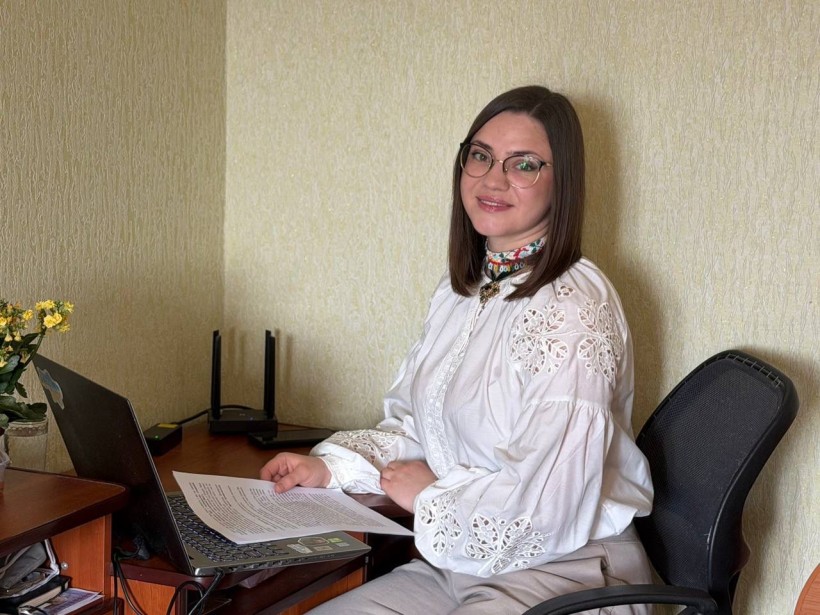
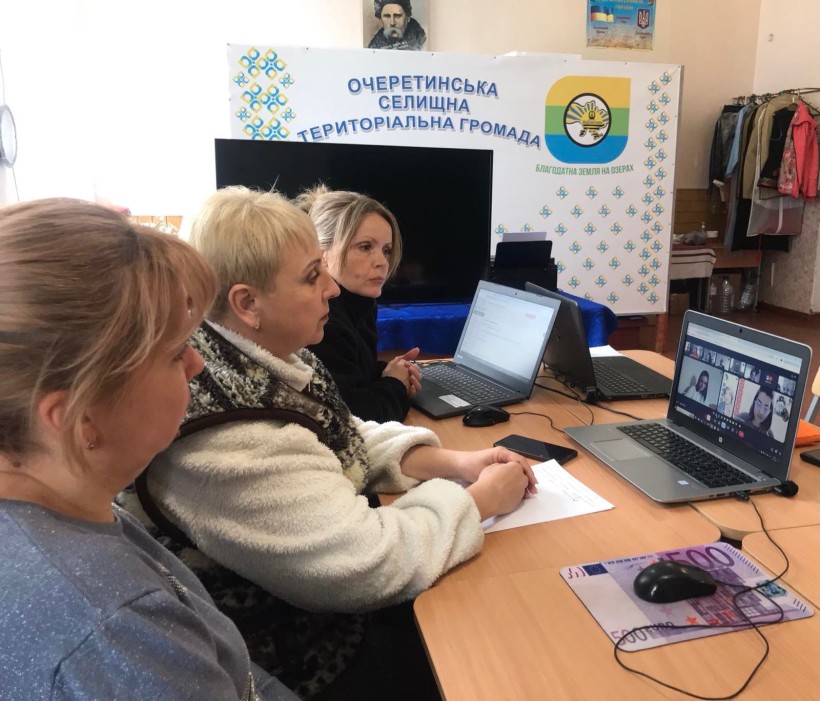
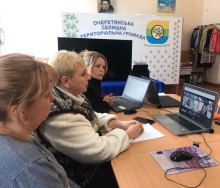
On April 22, 2026, a regional online training session titled “Integrating Intangible Cultural Heritage into the Media Space: Creating Videos and Storytelling. A New Format for Promoting Intangible Cultural Heritage” took place – an event that served as a bridge between tradition and digital possibilities.
The event, initiated by the Donetsk Regional Educational and Methodological Center for Culture, brought together a wide audience of specialists and enthusiasts: cultural and educational workers, members of the public, as well as anyone interested in preserving intangible cultural heritage. The event took place simultaneously as a live online discussion and an open broadcast, which once again underscored the training’s main idea: to be accessible, modern, and heard.
The program’s focus was clear and pragmatic: not just to talk about culture, but to learn how to effectively “package” it for the digital world. Content creator and videographer Natalia Ishchenko shared tools for creating visually appealing content, emphasizing the nuances of filming and editing videos about elements of intangible cultural heritage. In turn, Artem Lovyagin, deputy director of the center, outlined new horizons – the use of artificial intelligence for recording, analyzing, and popularizing cultural data.
Equally valuable was the practical experience of creating an animated product based on local heritage, shared by Oleksandr and Maria Sladkovy, representatives of the Mariupol Palace of Culture “Ukrainian House.” Their example demonstrated that tradition can take on a new sound if a modern form is found for it. And the presentation by intellectual property lawyer Bohdan Maliy added an important touch: in the world of digital content, issues of copyright and the lawful use of creative works are no less significant.
Today, the discussion is not just about preserving heritage; it is about its presence in modern life. Digital tools open up the possibility of discussing tradition in a language understandable to new generations, making it more accessible and visible. It is through such initiatives that the cultural heritage of Donetsk Oblast does not remain in the past; it is actively developing, adapting, and confidently moving into the future.