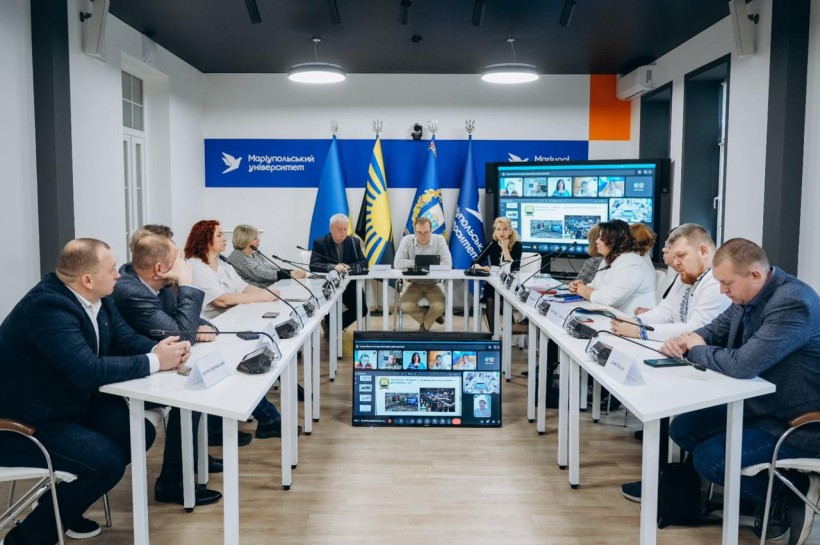
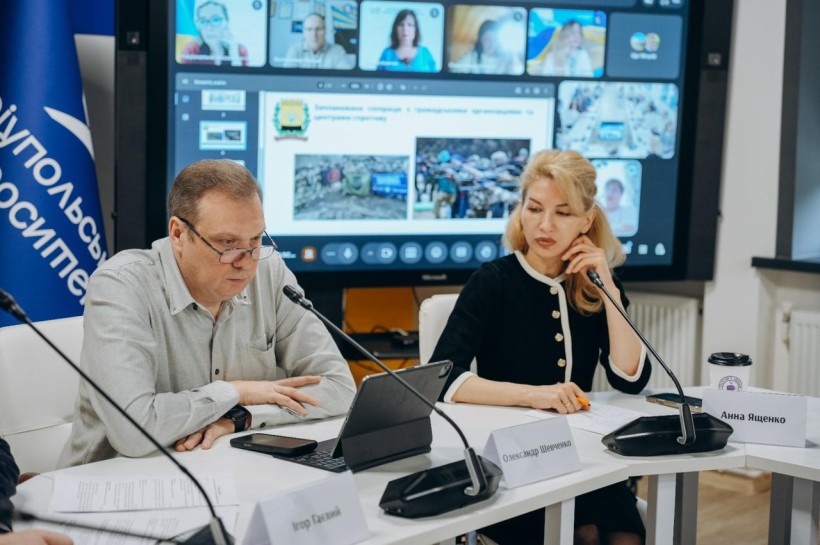
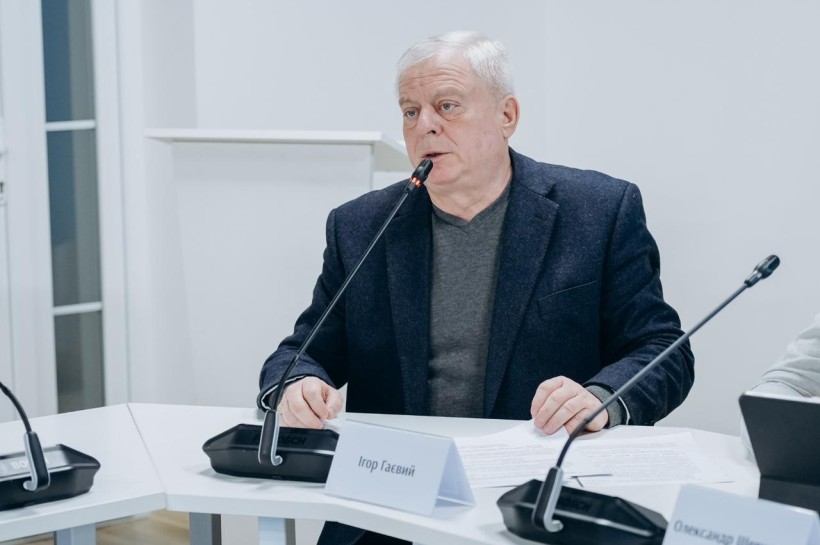
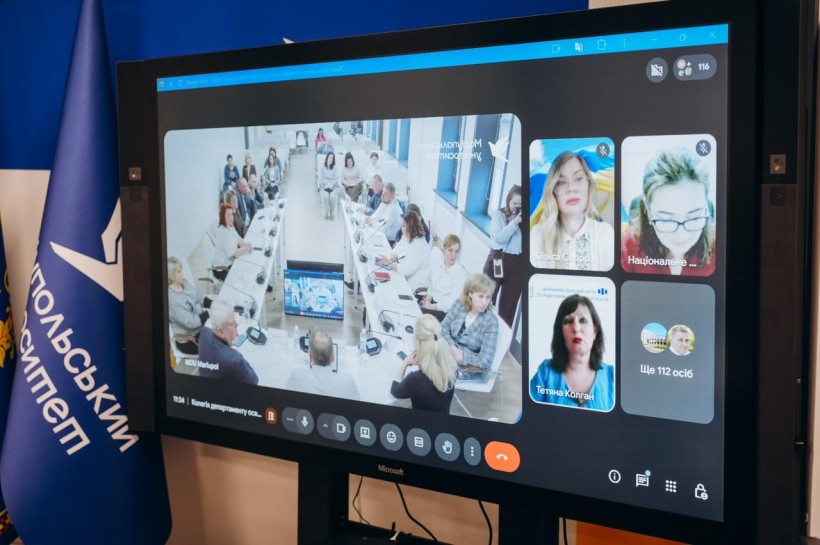
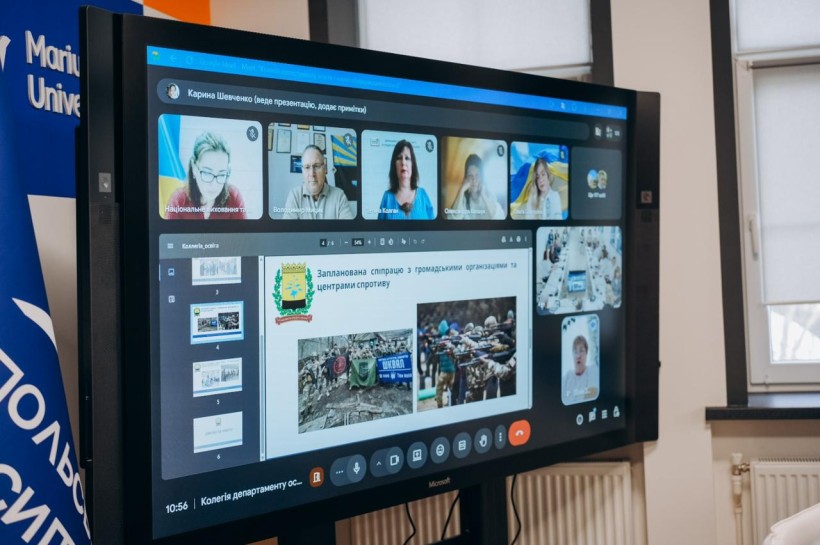
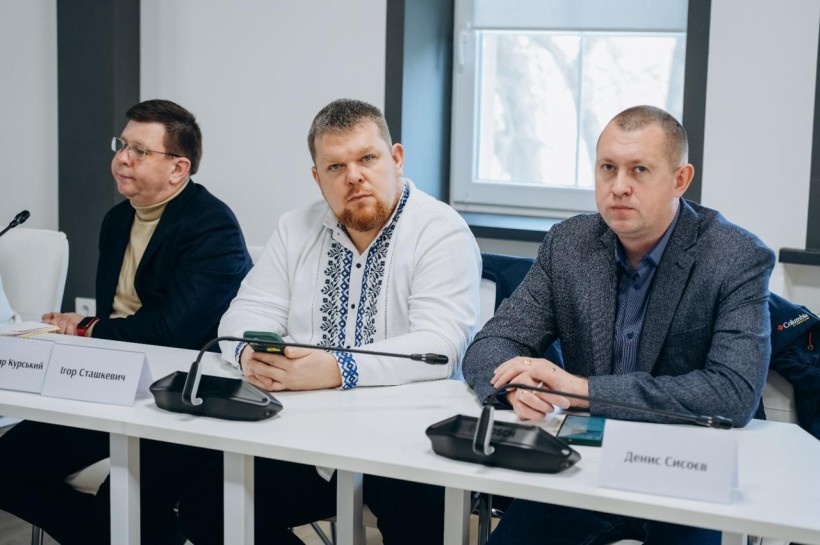

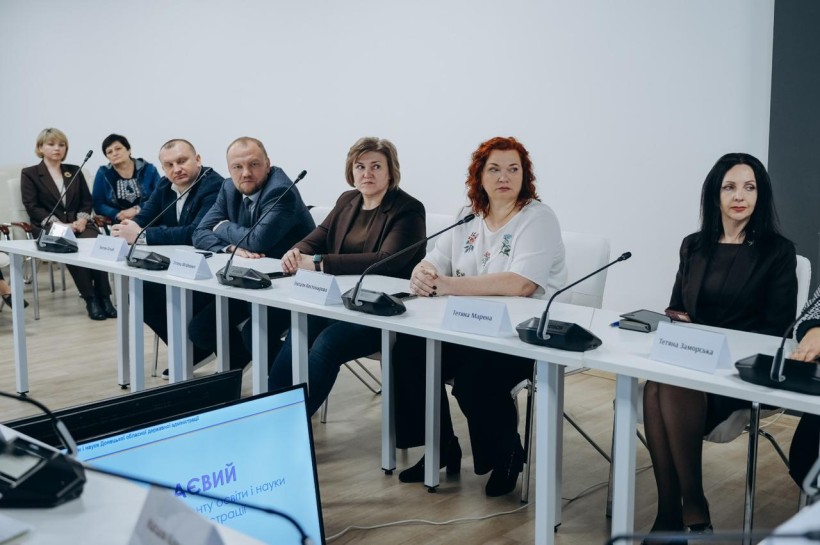
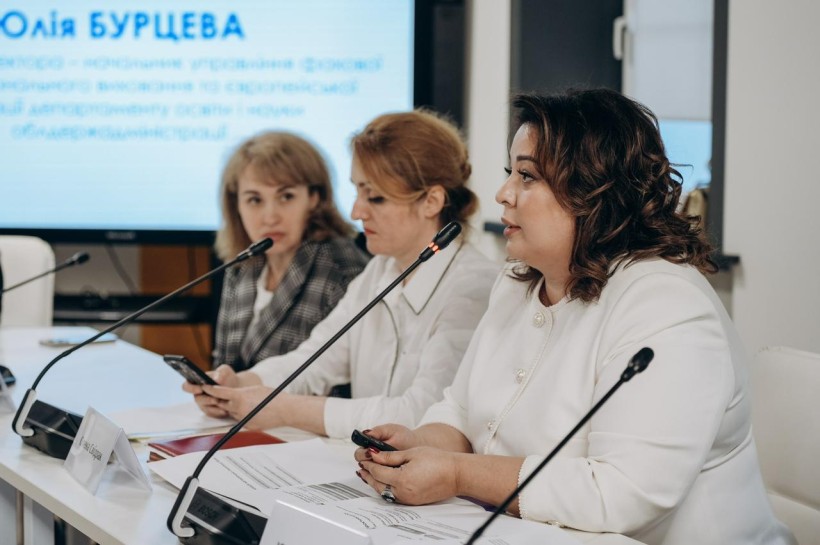

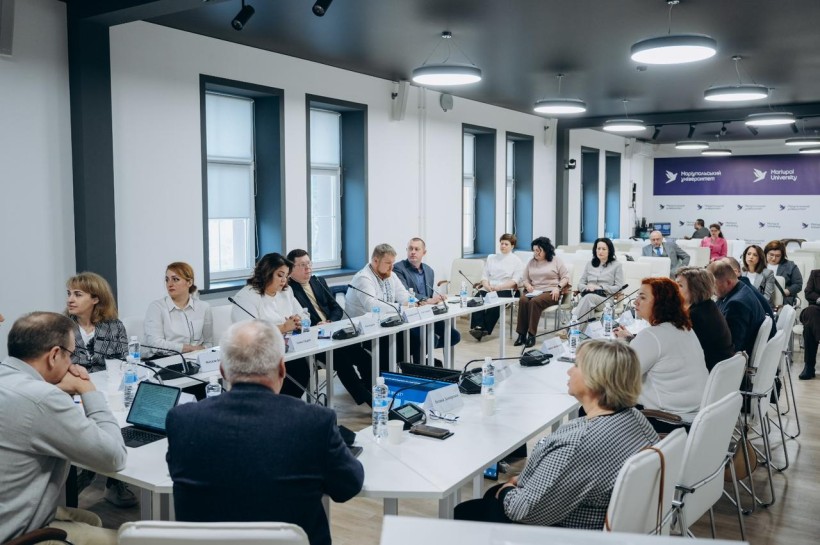


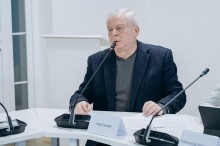


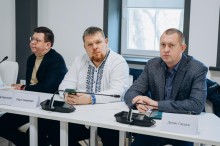


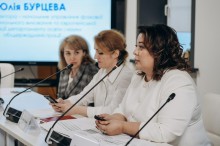


On April 2, 2026, a meeting of the Board of the Department of Education and Science of the Donetsk Regional State Administration was held in Kyiv. The event was chaired by Oleksandr Shevchenko, Deputy Head of the Regional State Administration.
Oleksandr Shevchenko welcomed the participants and emphasized the importance of consolidating efforts to ensure the stable operation of the region’s education sector. Participants focused on adjusting strategic plans and setting clear guidelines for the development of education in Donetsk Oblast for the coming years.
Natalia Kirkach, Advisor to the Head of the Regional State Administration on Ensuring Equal Rights and Opportunities for Women and Men, addressed the educators. She noted that when formulating and implementing educational policy, it is important to take into account the principle of equal rights and opportunities for women and men, as well as the practical needs of girls and boys in accessing quality and safe education. According to her, special attention should be paid to supporting vulnerable groups of children and creating an environment free of discrimination and stereotypes in educational institutions.
Ihor Haievyi, Director of the Department of Education and Science of the Regional State Administration, outlined in detail the rationale for amending the Donetsk Region Education Development Program and the principles for developing an action plan for its implementation for 2026–2027.
Issues related to the development of specific sectors of education were presented by the deputy directors of the department. Olena Svidrak, Deputy Director of the Department and Head of the Division of Educational Policy and Management, explained the relevance of the proposals in the areas of preschool and general secondary education.
Yulia Burtsova, Deputy Director of the Department and Head of the Division of Vocational Education, National Education, and European Integration, outlined the priorities for the development of vocational, pre-higher vocational, and out-of-school education, with an emphasis on the national and patriotic education of youth.
A separate session was dedicated to the formation of Ukrainian civic and national identity under martial law. Olena Vasylenko, Head of the Department of National Education and European Integration, presented systematic approaches and practices for implementing this initiative, particularly through the regional project “Our Donetsk Region. Our Home. Our Fortress,” which already involves thousands of students and educators.
Lilia Zolkina, head of the Department of Family, Youth, and Public Events for National-Patriotic Education at the Regional State Administration, presented the progress of the regional program to strengthen Ukrainian national and civic identity through 2028.
Olga Sidorova, Deputy Head of the Novogrodivka City Military Administration, presented the community’s experience through the “Hear the Hero” project as a practical tool for fostering national-patriotic values among youth.
Participants also discussed the economic aspects of the education sector. Tetyana Kolgan, Vice Rector of the Donetsk Regional Institute of Postgraduate Pedagogical Education, reported on the current status and prospects for implementing the “Money Follows the Teacher” principle.
Hanna Yashchenko, Head of the Patronage Service of the Regional State Administration, summarizing the meeting’s proceedings, appealed to the heads of regional education authorities and educational institutions to act in a coordinated and responsible manner. She emphasized that education in the Donetsk region is among the strongest in Ukraine, as it has been operating under exceptional conditions since 2014 and possesses unique experience in effective work during wartime.
At the conclusion of the meeting, Ihor Haievyi presented proposals for the board’s decision, which were put to a vote following discussion. He emphasized that the next stage involves the practical implementation of the adopted decisions: clear coordination of actions, effective interaction with communities, and accountability for results at every level.
The decisions adopted will serve as the foundation for the stable operation and further development of the Donetsk region’s education system in the face of current challenges.