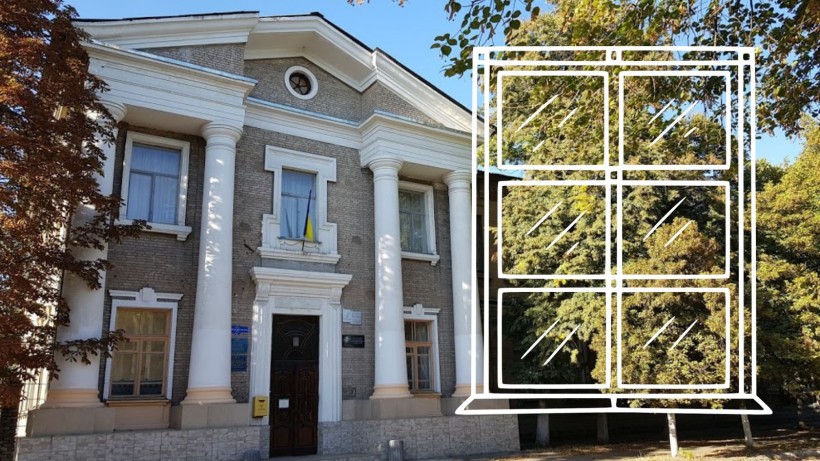
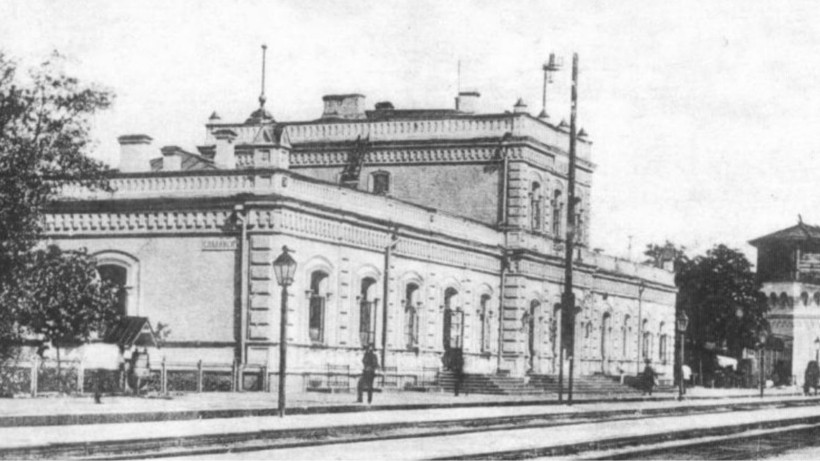
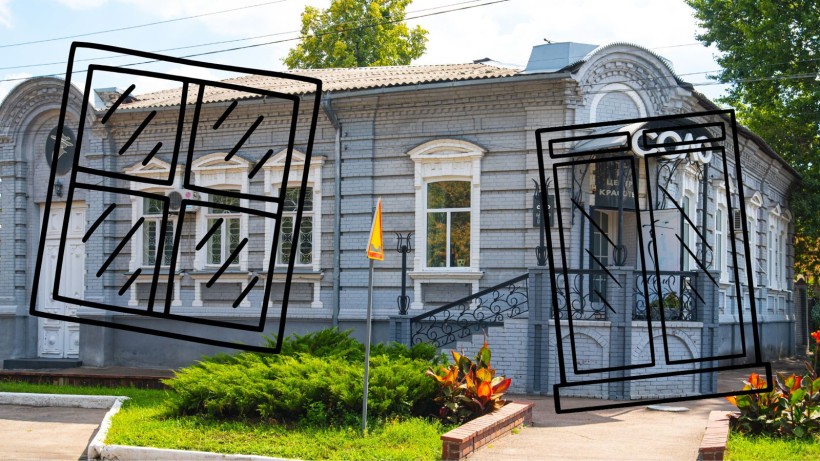
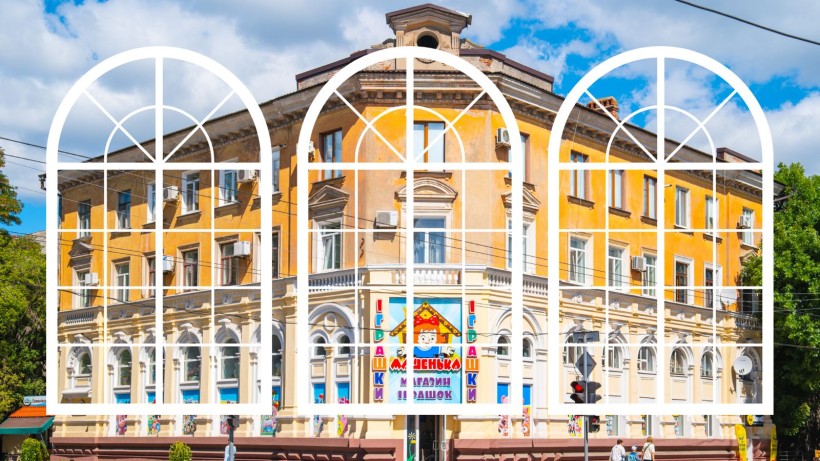
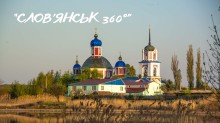
Is it possible to return home if the road there is closed today? The authors of the new cultural project "Slavyansk 360°" are convinced: sometimes one look into a familiar window is enough.
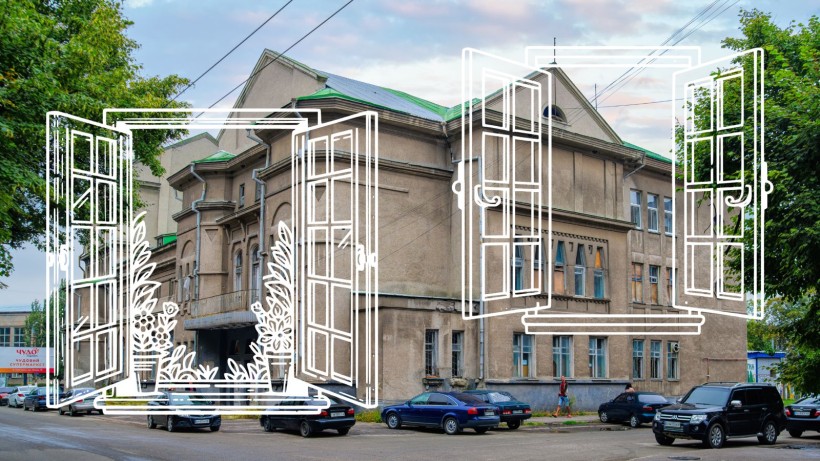
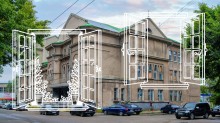
The window itself will become the main image of the upcoming art and documentary installation, which is presented in Kropyvnytskyi by the team of the NGO "Slavyansk Cultural Center "Zadzerkalya". But this will not be an ordinary exhibition of photographs or archival materials. Twelve real window frames will turn into a kind of portals to Slavyansk - a city that remains home for thousands of people regardless of where they live today.
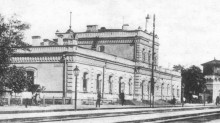
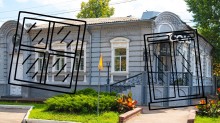
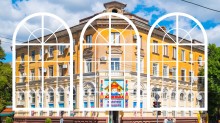
Behind each frame is a familiar street, architectural monument, square or corner of the city. The interior lighting will create the feeling that there is a real city outside the window, and the viewer has only glimpsed it for a moment. However, the most valuable thing is not hidden in the images.
Each "window" will reveal another story. Using a QR code, visitors will be able to hear the voices of people for whom these places have become part of their own biography. These will not be excursion guides or dry historical facts, but living memories - about childhood, meetings, habits, favorite routes, smells and emotions that cannot be seen in a photograph.
For people who were forced to leave Sloviansk, memory has long ceased to be just nostalgia. It has become a part of personal identity, a way to maintain a connection with the place that shaped their lives.
That is why the project team talks not only about cultural heritage, but also about human stories. "Slovyansk 360°" seeks to create a space where one can talk without fear about losses, memory, home and at the same time about the future.
At the same time, the installation also appeals to those who have never been to Sloviansk. For the residents of Kropyvnytskyi, this will be an opportunity to see the Donetsk region beyond the headlines. Not as a territory of war, but as a region with its own architecture, culture, history and people.
The peculiarity of the project is that its content will be determined by the community itself.
First, the team will hold an open expert Open Call, during which activists, local historians, representatives of local government and caring residents of Sloviansk will choose twelve iconic places that will become the basis of the installation.
After that, the storytelling laboratory will begin. Here, they will work not only with facts, but also with human emotions. The authors strive for each story to sound as if it were being told to a loved one.
The next step will be to create an audio archive of memories. These recordings will enliven the exhibition and allow us to hear the intonations of people for whom Sloviansk remains a native city.
During the exhibition, the team will conduct dialogue tours. This means that the exhibition will not end at the exhibits. It will become a platform for conversations between displaced persons and local residents, where the stories of one city will help to better understand the experience of another person.
Even before its official implementation, the project attracted the attention of the international cultural community.
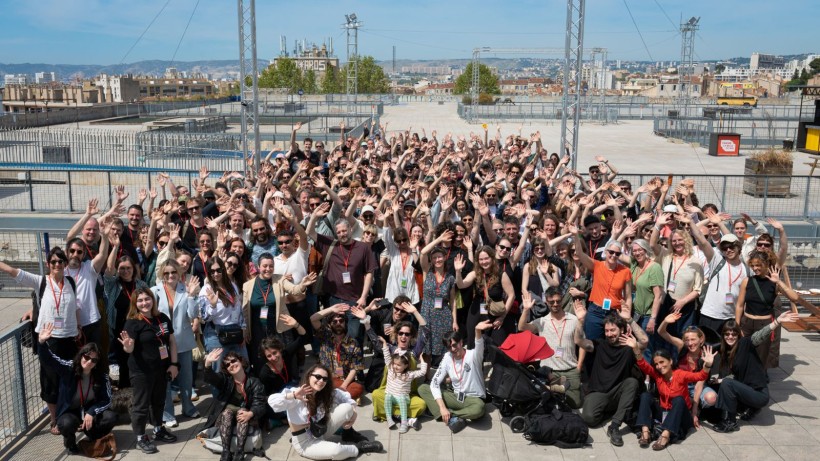
It was presented by Elmira Chepiga during the TEH101 conference, which took place in Marseille, France. It was there that the residents of the international CASCADE program presented their cultural initiatives designed to work with communities in the face of modern challenges.
"Slovyansk 360°" has become a Ukrainian example of how art can work not only with memory, but also with the restoration of social ties.
The initiative is implemented within the framework of the CASCADE project and is funded by the Swedish Institute and implemented by the East Hub sub-network, which is part of the Trans Europe Halles (Sweden) and coordinated by the project partners: the IZOLYATSIA Foundation (Ukraine) and Malý Berlín (Slovakia). Salaam Cinema (Azerbaijan) and Culture and Management Lab (Georgia) are also involved in the project.
There are no random details in the project.
A window is the border between the past and the present, between home and a new life. For some, it will be a reminder of childhood. For some, it will be the first meeting with Slavyansk. For others, it will be an opportunity to understand that cultural heritage exists not only in museums or textbooks, but primarily in human memories.
"We believe that memory lives not only in archives. It lives in people's voices, on familiar streets and in windows through which you can see your home again, even from afar," the "Zadzerkalye" team noted.