
The preservation of intangible cultural heritage is a key factor in safeguarding historical memory, cultural distinctiveness and the local identity of communities. This is precisely why Donetsk Oblast is actively involved in initiatives aimed at researching and promoting folk traditions.
Experts from the Donetsk Regional Educational and Methodological Centre for Culture have joined the long-term project ‘Culinary Practices of the Borderlands: A Dialogue of Cultures’. The project has brought together representatives of communities from the Donetsk and Dnipropetrovsk regions to research the culinary traditions of the steppe borderlands as a component of intangible cultural heritage.
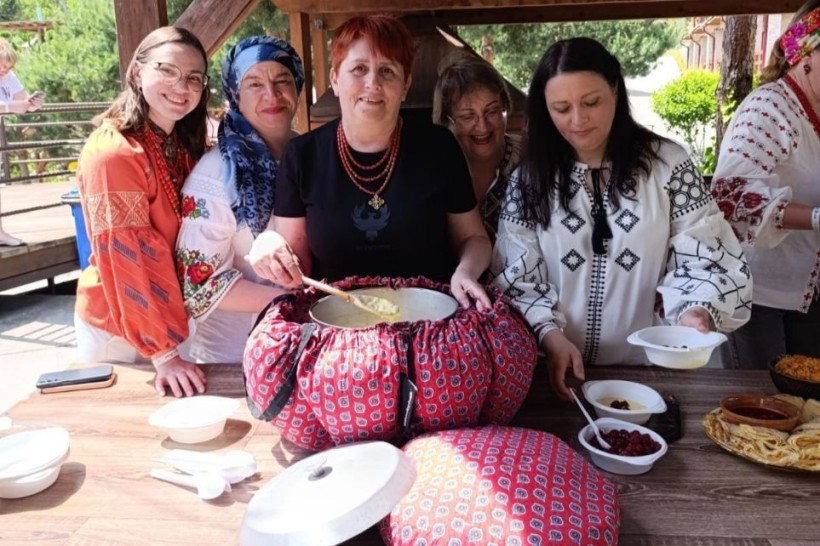
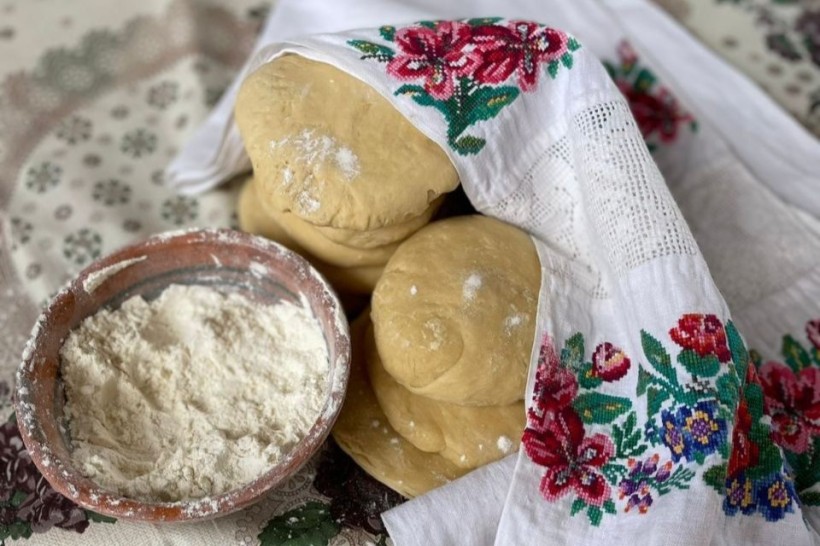
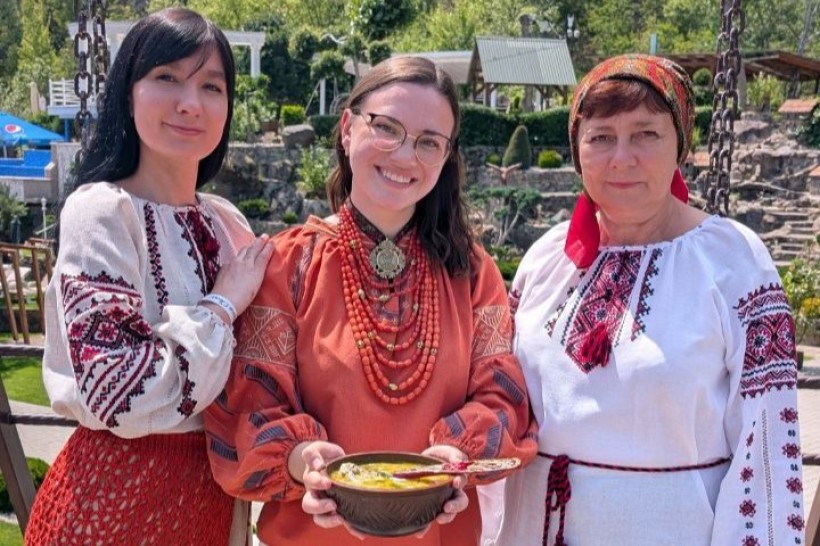
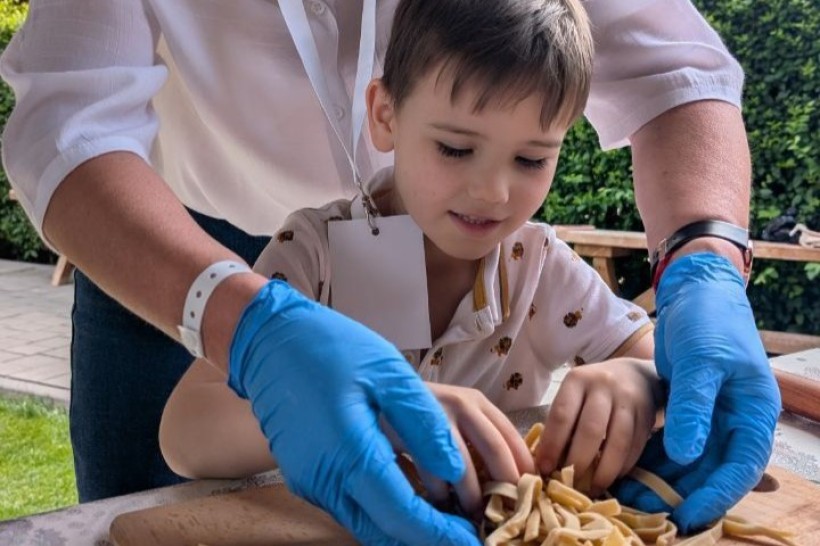
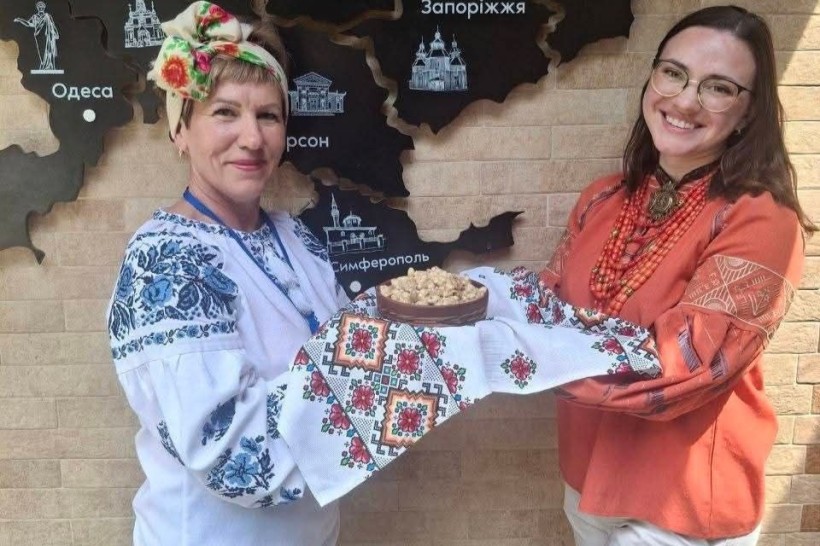
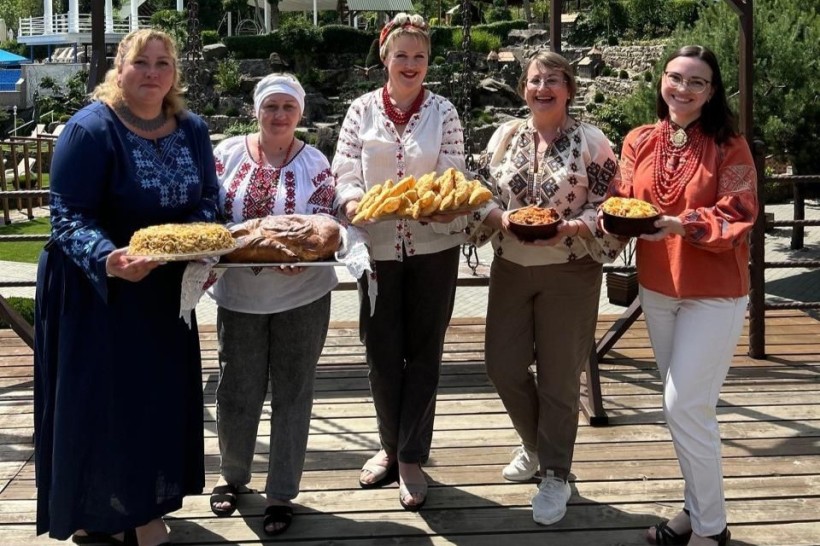
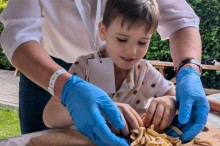
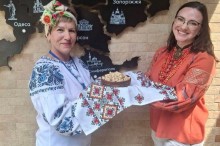
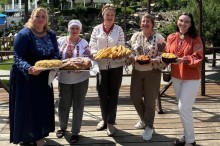
During a culinary research residency in Zakarpattia, participants analysed the collected materials, mapped local culinary traditions and worked on the concept for the future exhibition ‘Taste of Home’. An important part of the programme was a meeting with the bearers of these traditions, whose experience and knowledge will form the basis for a documentary film and a digital archive.
Research into the intangible cultural heritage of steppe border communities is being conducted by the NGO “Power of Ideas” (Donetsk region) and the NGO “CIR ‘Persona’” (Dnipropetrovsk region) as part of the “Heritage. Space for Work’, which is being implemented with the support of the ‘Partnership for a Strong Ukraine’ (PFRU) Programme – a multi-donor initiative funded by the governments of the United Kingdom, Estonia, Canada, Norway, Finland, Switzerland and Sweden.
Further work in the communities lies ahead for the participants, including gathering testimonies and documenting culinary practices through photos and videos.
The project is already making a significant contribution to the preservation of the culinary heritage of the Donetsk and Dnipropetrovsk regions, helping to pass on its unique traditions to future generations.