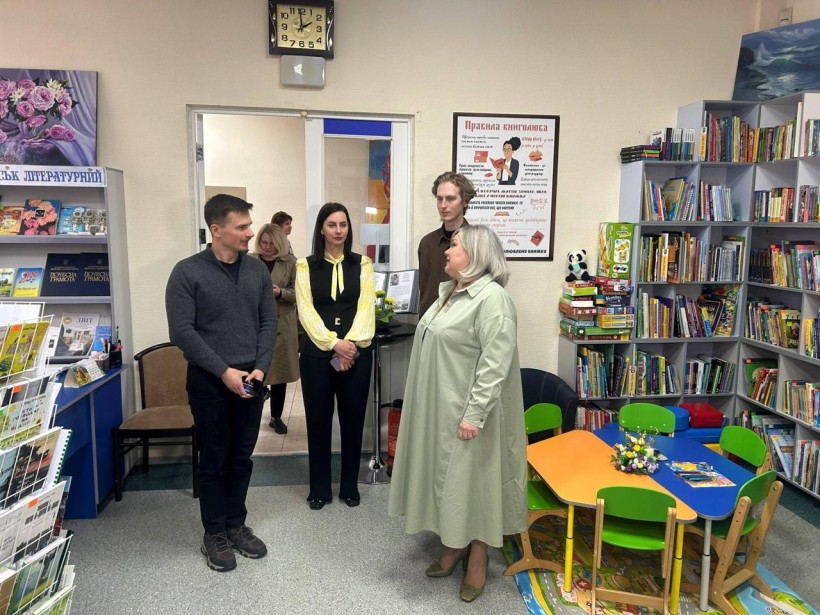
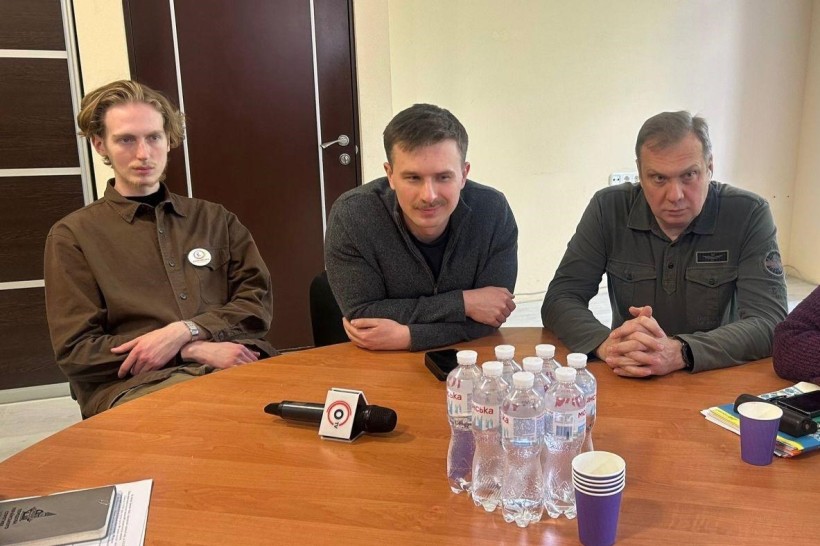
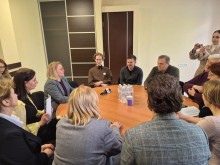

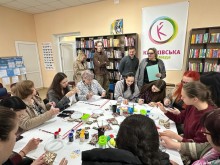
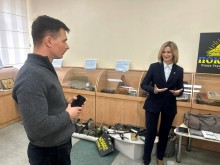
Ivan Verbytskyi, First Deputy Minister of Culture of Ukraine, made a working visit to Dnipro. The itinerary was packed and included visits to key relocated cultural institutions, where a new model for the sector’s operations is currently being developed amid the war and the displacement of communities.
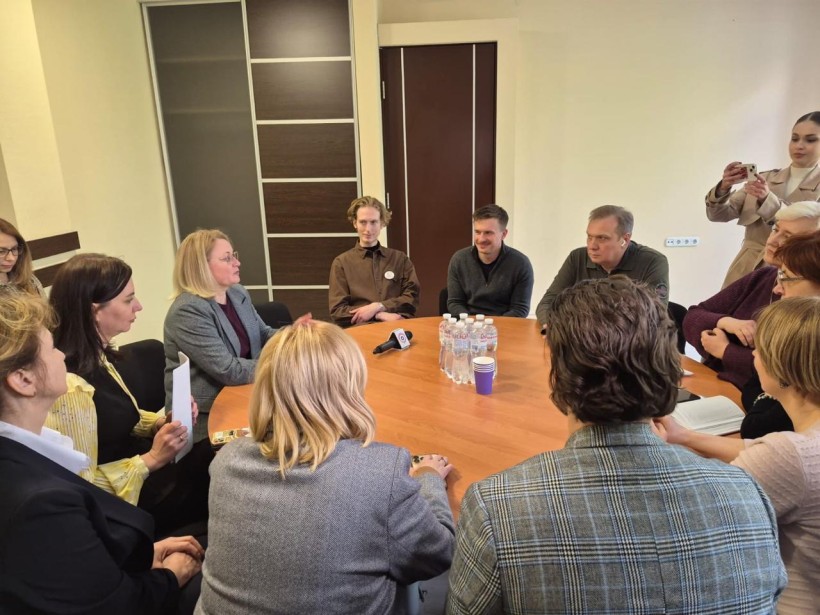
The visit began with an overview of the collaborative activities between museum institutions and libraries in Dnipropetrovsk and Donetsk regions. They also discussed experiences in preserving stone sculptures as an important element of cultural heritage that requires protection amid the risks of war.
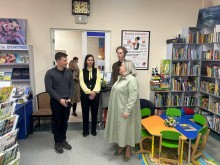
The discussion focused on establishing professional ties between displaced institutions, exchanging resources, and implementing joint initiatives aimed at supporting young readers. Among other things, the Bakhmut Library has installed a braille center and provides services for people with visual impairments, both for internally displaced persons and for residents of Dnipro.
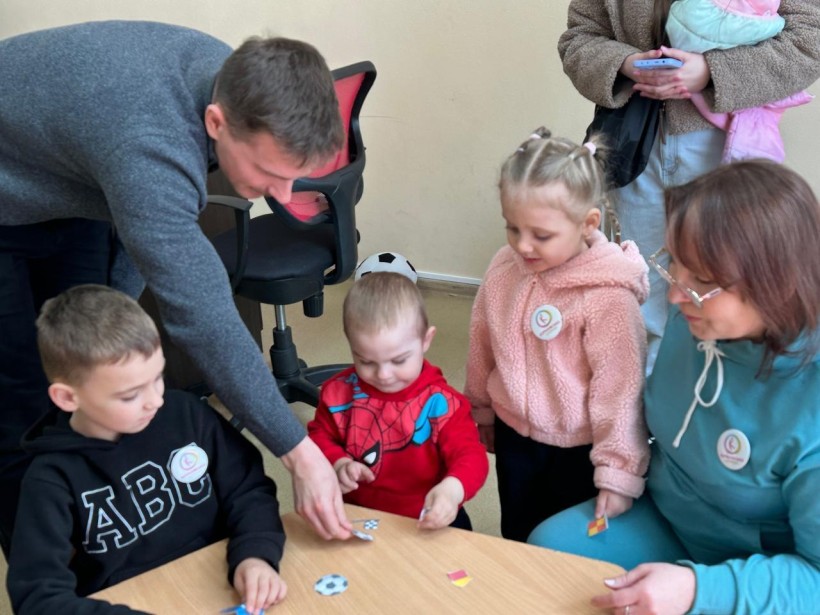
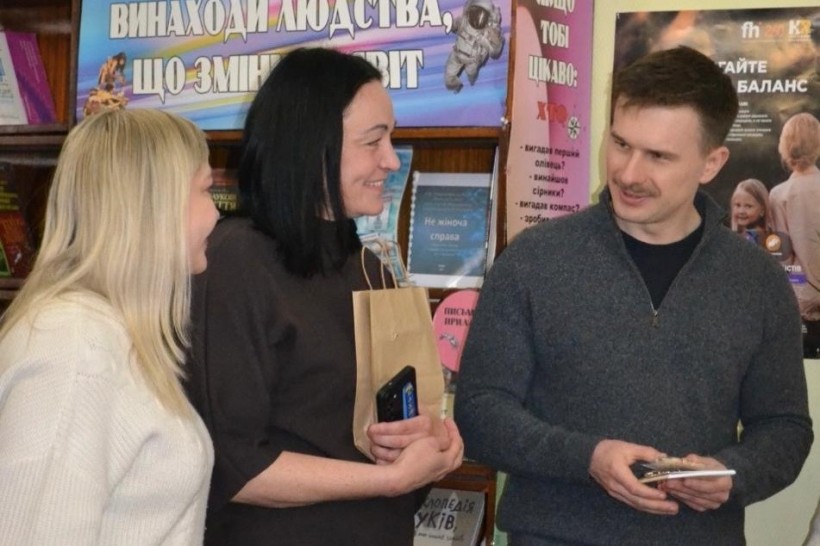
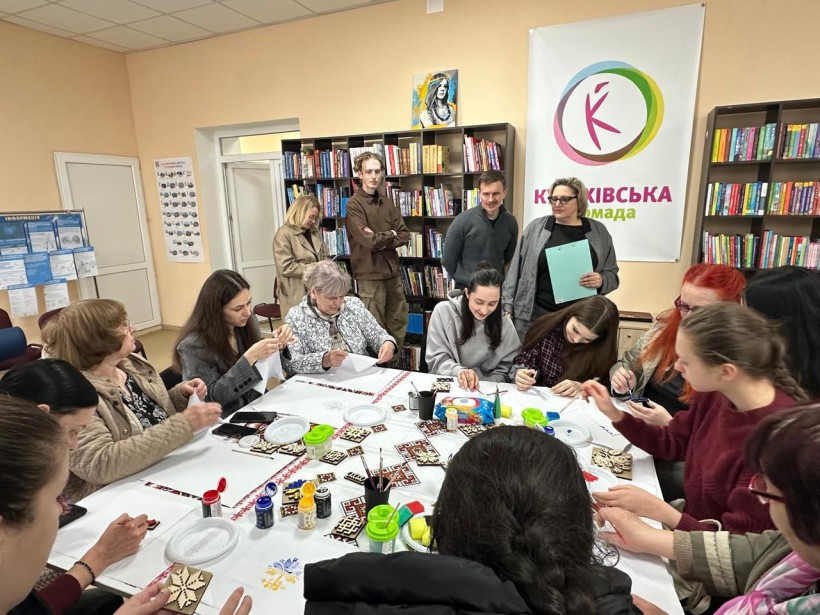
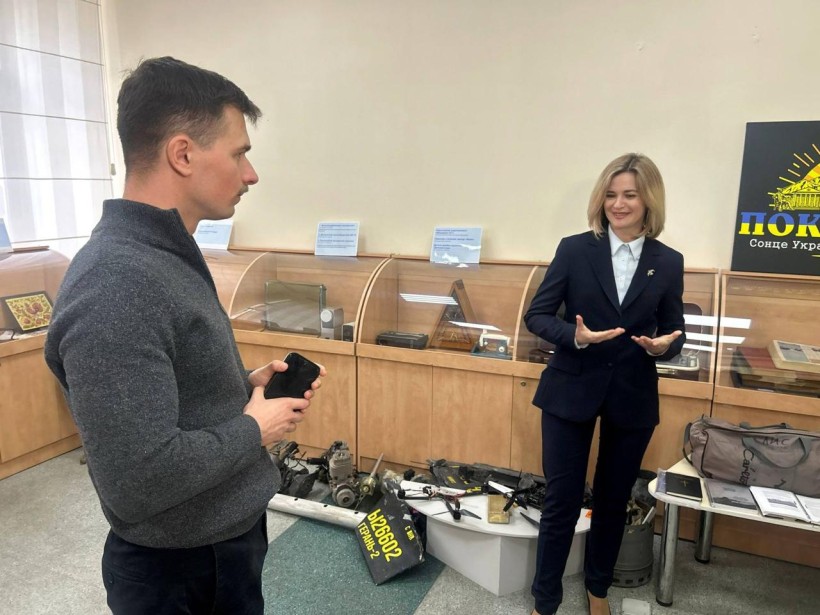
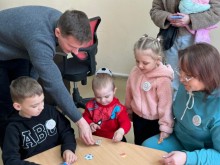
The Deputy Minister visited a number of cultural hubs created by communities in the Donetsk region that are operating in Dnipro. In particular, he familiarized himself with the activities of the cultural spaces of the Toretsk, Kurakhiv, and Pokrovsk communities, which serve as hubs for consolidating cultural initiatives where artistic and educational programs for internally displaced persons are implemented, and discussed the role of culture as a tool for community support, preservation of identity, and psycho-emotional stabilization of residents who have experienced forced displacement.
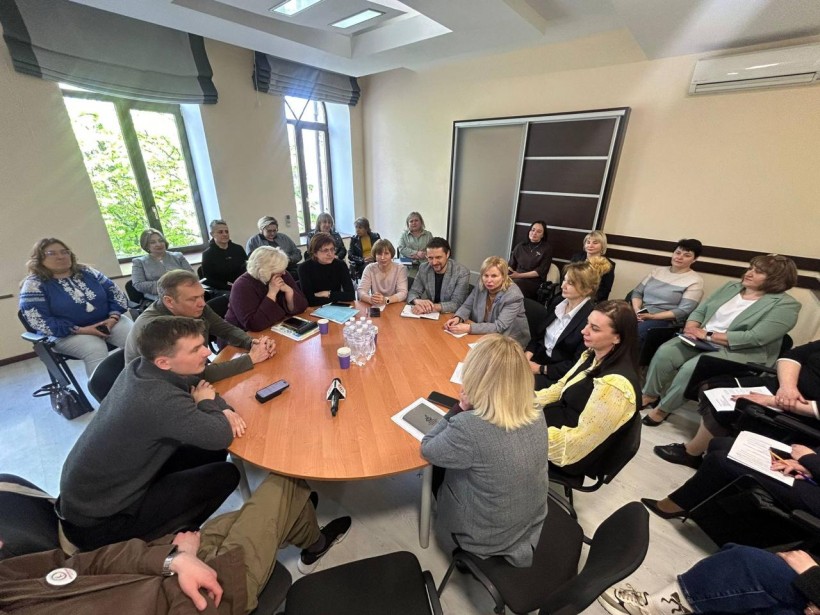
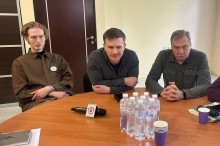
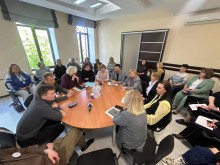
An important part of the visit was communication with cultural workers from the Donetsk and Dnipropetrovsk regions, who discussed current challenges facing the sector, issues of cultural heritage preservation, support for displaced institutions, and the development of cultural infrastructure in wartime conditions.
The meeting served as an important platform for dialogue between the central government and regional representatives, facilitating the exchange of experiences and the development of solutions aimed at preserving cultural heritage and supporting the cultural sector under martial law.