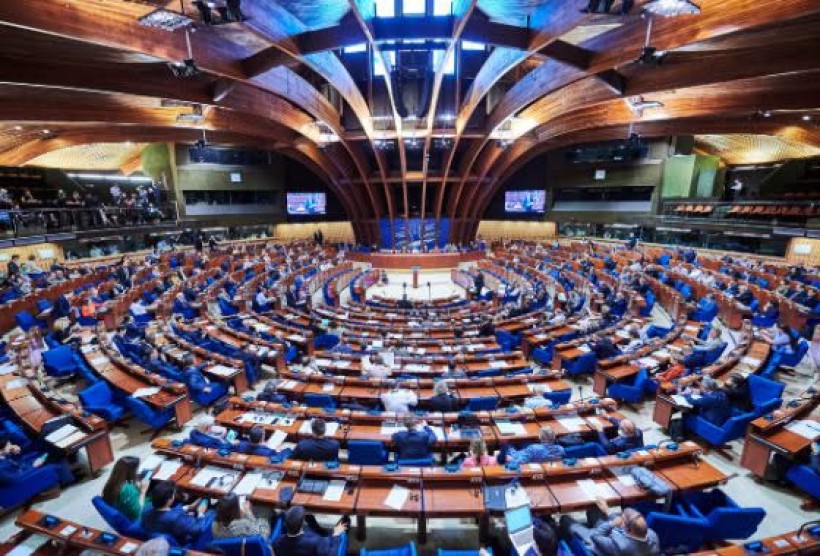
On September 29, during the regular session of the Parliamentary Assembly of the Council of Europe (PACE) in Strasbourg, important discussions took place regarding the creation of a comprehensive support system for male and female veterans and their families. Ruslan Prykhodko, Ukraine’s Deputy Minister for Veterans Affairs on European Integration, participated in the side events of the session. The main goal was to integrate Ukraine’s experience into the European legal framework and to secure international support for our male and female defenders.
Following the discussions, PACE endorsed two reports: “Toward a Coordinated Policy on Veterans in Europe” by Lesya Zaburanna and “The Need for Systematic Support for Ukrainian Military Personnel Who Have Become Persons with Disabilities as a Result of Combat Operations” by Polish Senator Jan Filip Libicki. This is the result of months of systematic work.
What do the documents entail?
Uniform European standards: healthcare, rehabilitation, prosthetics, education, employment, housing, and social protection for veterans;
Enhanced support: the introduction of a standard for post-military service support lasting at least 3 years;
Resource allocation: mobilizing international assistance to train specialists and develop a system for the rehabilitation and support of veterans with disabilities;
Accountability of the aggressor: using frozen Russian assets to finance long-term needs for medical treatment, prosthetics, and rehabilitation.
The resolution calls on states to join the Multi-Donor Fund for Veteran Support, which the Ministry of Veterans Affairs is establishing together with Canada as the first donor. This call has already been supported by lawmakers from nearly 50 European countries.
For Ukrainian veterans, this will mean:
medical treatment, prosthetics, and rehabilitation at facilities in partner countries;
training for Ukrainian rehabilitation specialists, prosthetists, and mental health professionals;
access to rehabilitation for those currently abroad under temporary protection;
support for demining and assistance to mine victims.
The resolution acknowledges that Ukraine is currently setting the best practices in veterans’ policy on the continent and calls on the Council of Europe to increase the presence of experts in our country. Europe has the largest cohort of veterans since 1945, and this number will continue to grow. Therefore, standards must be established now, not decades from now.
On September 29, during the regular session of the Parliamentary Assembly of the Council of Europe (PACE) in Strasbourg, important discussions took place regarding the creation of a comprehensive support system for veterans—both men and women—and their families. Ruslan Prykhodko, Ukraine’s Deputy Minister for Veterans’ Affairs on European Integration, participated in the side events of the session. The main goal was to integrate Ukraine’s experience into the European legal framework and to secure international support for our male and female defenders.
Following the discussions, PACE endorsed two reports: “Toward a Coordinated Policy on Veterans in Europe” by Lesya Zaburanna and “The Need for Systematic Support for Ukrainian Military Personnel Who Have Become Persons with Disabilities as a Result of Combat Operations” by Polish Senator Jan Filip Libicki. This is the result of months of systematic work.
What do the documents entail?
Uniform European standards: healthcare, rehabilitation, prosthetics, education, employment, housing, and social protection for veterans;
Enhanced support: the introduction of a standard for post-military service support lasting at least 3 years;
Resource allocation: mobilizing international assistance to train specialists and develop a system for the rehabilitation and support of veterans with disabilities;
Accountability of the aggressor: using frozen Russian assets to finance long-term needs for medical treatment, prosthetics, and rehabilitation.
The resolution calls on states to join the Multi-Donor Fund for Veteran Support, which the Ministry of Veterans Affairs is establishing together with Canada as the first donor. This call has already been supported by lawmakers from nearly 50 European countries.
For Ukrainian veterans, this will mean:
medical treatment, prosthetics, and rehabilitation at facilities in partner countries;
training for Ukrainian rehabilitation specialists, prosthetists, and mental health professionals;
access to rehabilitation for those currently abroad under temporary protection;
support for demining and assistance to mine victims.
The resolution acknowledges that Ukraine is currently setting the standard for best practices in veteran policy on the continent and calls on the Council of Europe to increase the presence of experts in our country. Europe has the largest cohort of veterans since 1945, and this number will continue to grow. Therefore, standards must be established now, not decades from now.
For reference
Today, there are over 2 million veterans in Ukraine. At the initiative of Minister for Veterans’ Affairs Vitaliy Kim, a proposal was made to the PACE President to create a separate veterans’ platform to mobilize resources for Ukraine. Preparations have begun for the next pragmatic steps and decisions to implement the resolution.
According to information from the website https://eu-ua.kmu.gov.ua