

Even under martial law, the culture of the Donetsk region remains an active platform for nationwide dialogue, demonstrating resilience and a readiness to join forces.
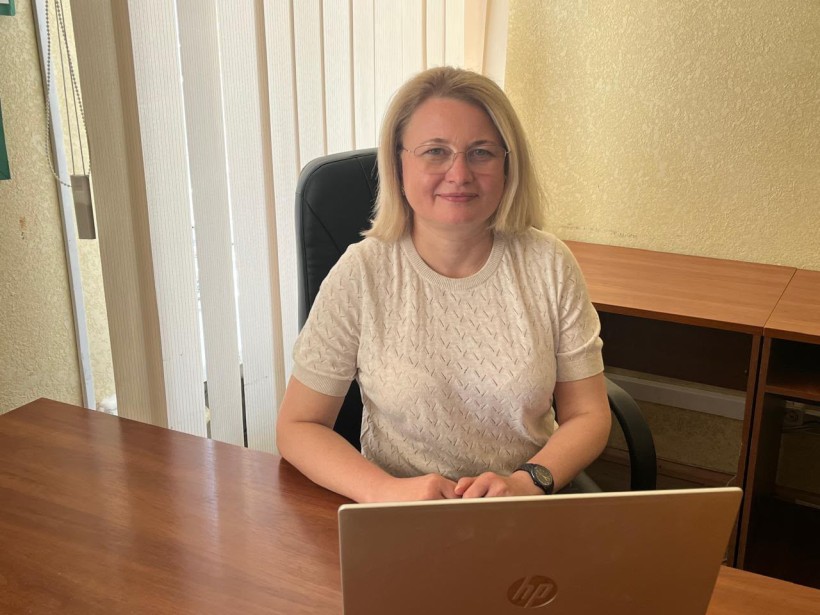
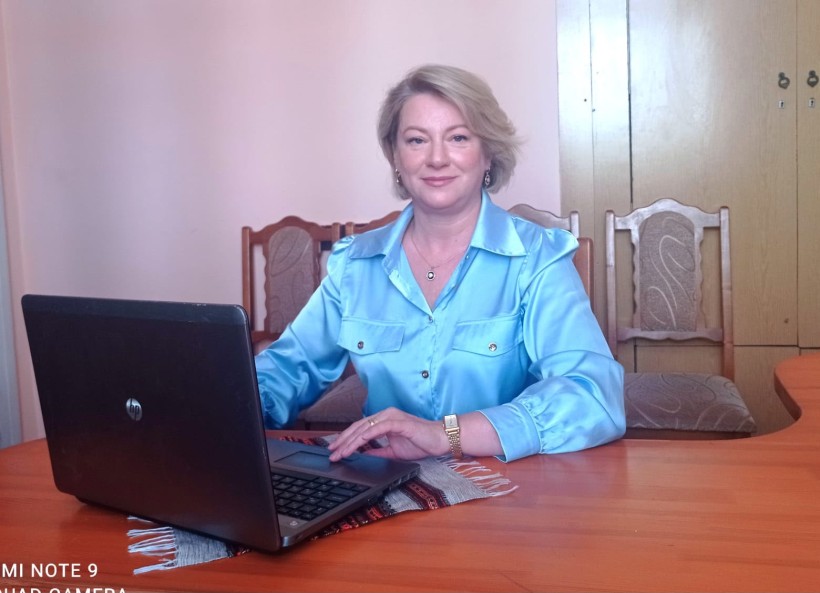
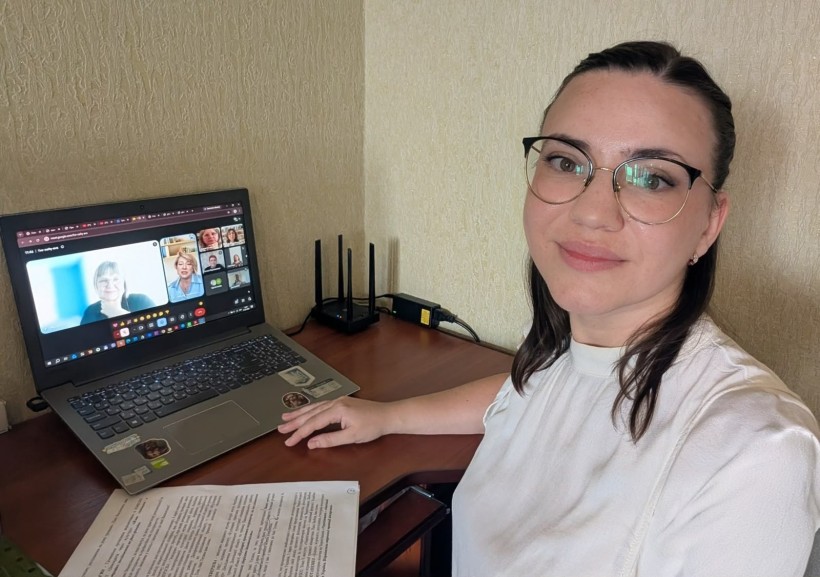
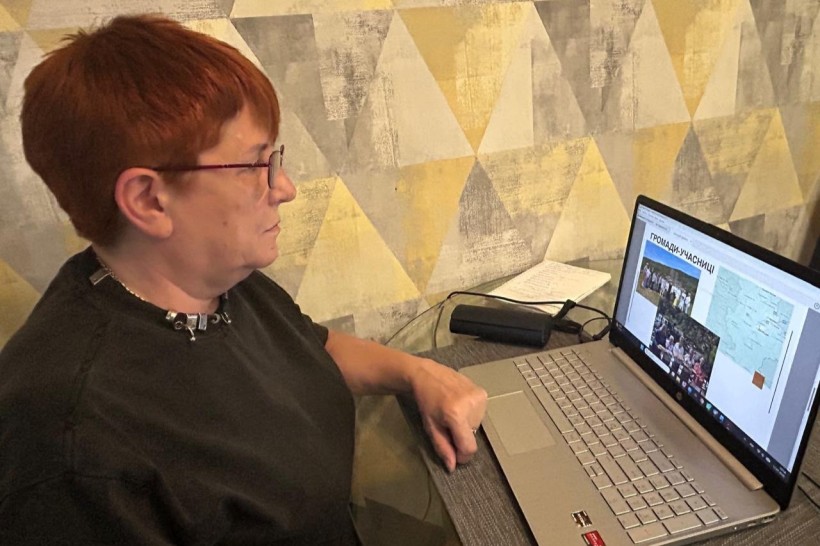
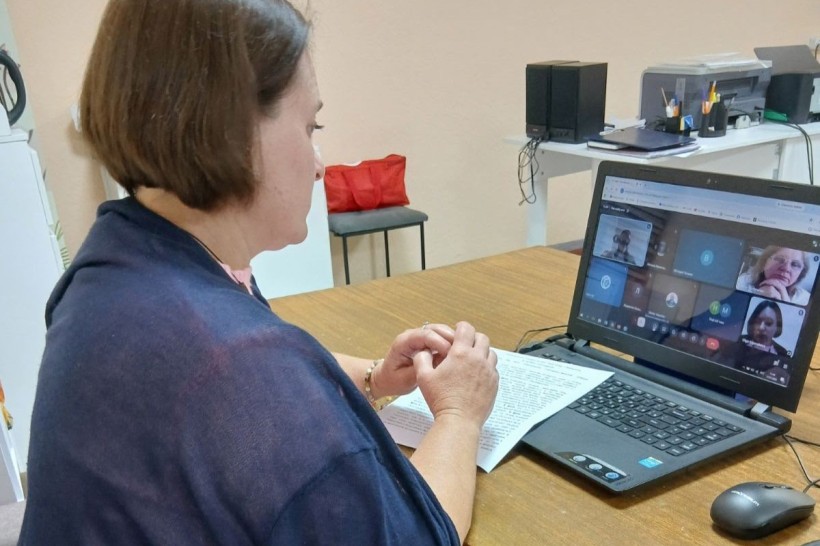
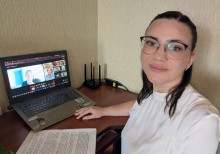
On July 17, in honor of Ethnographer’s Day, the Donetsk Regional Educational and Methodological Center for Culture organized a regional online seminar titled “Traditional Culture During Wartime: Research and Preservation.”
The event brought together representatives of the Ministry of Culture of Ukraine, the civil society organization “Center for Development ‘Democracy Through Culture’” (accredited by UNESCO), as well as experts from the Donetsk, Chernihiv, and Zaporizhzhia regions. The main topic of the meeting was practical approaches to the study, protection, and promotion of intangible cultural heritage under martial law.
The main expert speakers at the seminar were Tetiana Savarenyuk, head of the Intangible Cultural Heritage Sector at the Department of Cultural Heritage of the Ministry of Culture of Ukraine, and Valentina Demyan, a representative of the civil society organization “Center for Development ‘Democracy Through Culture,’ accredited by UNESCO.” In her presentation, Ms. Tetyana highlighted current issues in state policy regarding the protection of intangible cultural heritage under martial law, while Ms. Valentina focused on contemporary approaches to safeguarding living heritage during emergencies and the specifics of conducting research at the local community level.
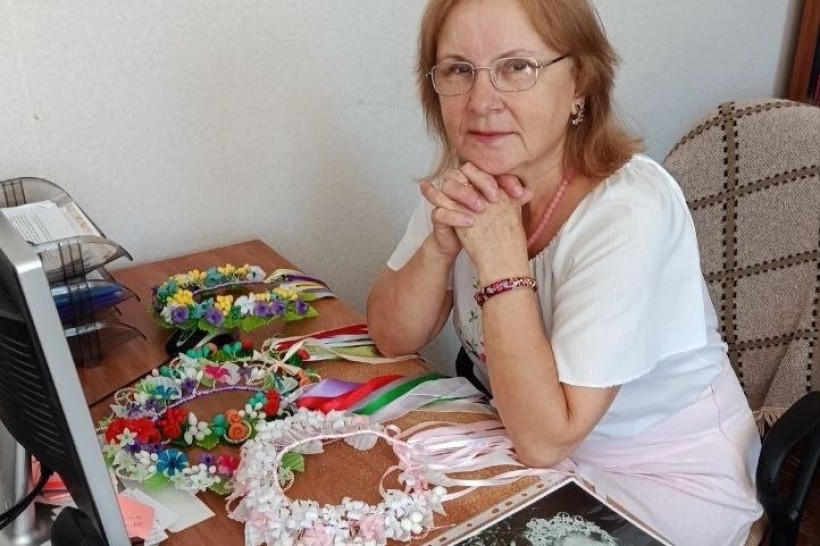
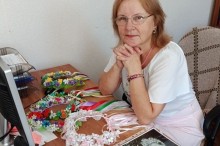
The practical portion of the event was devoted to the experiences of frontline regions. Donetsk Oblast presented a successful example of interregional cooperation with Dnipropetrovsk Oblast in researching local culinary traditions. Representatives from Chernihiv Oblast spoke about the revival of folk crafts and their work with border communities, while Zaporizhzhia Oblast discussed the audio documentation of instrumental traditions as a means of preserving the Cossack musical heritage.
Thanks to such events, society is increasingly recognizing that culture today is an important component of national identity and a powerful factor in the unity, cooperation, and resilience of the Ukrainian state. It is precisely professional collaboration, the exchange of experience, and joint initiatives that make it possible to preserve this living heritage for future generations.